

-
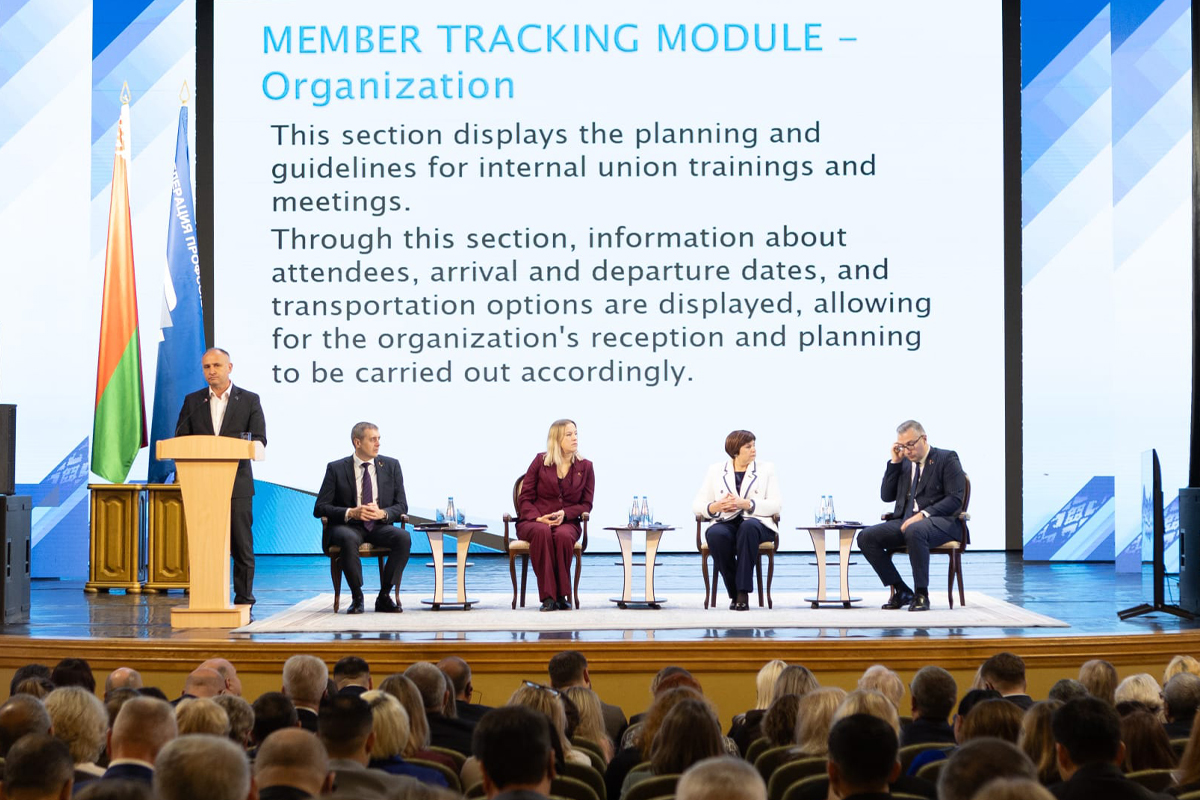
ILC Secretary General Hamza Öksüz Addresses the Future of Labour Amid Technological Transformation in Belarus
“Who Will Set the Rules of Technological Transformation, and Who Will Share in Its Benefits?”
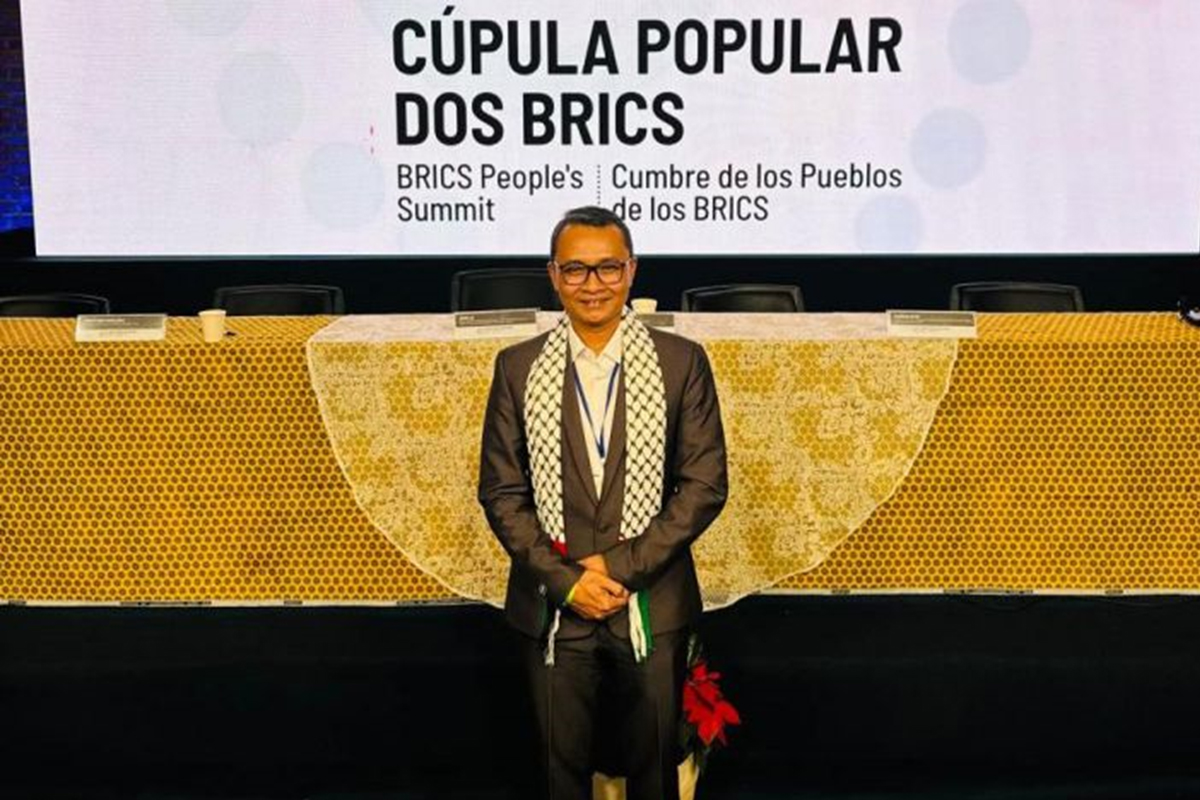
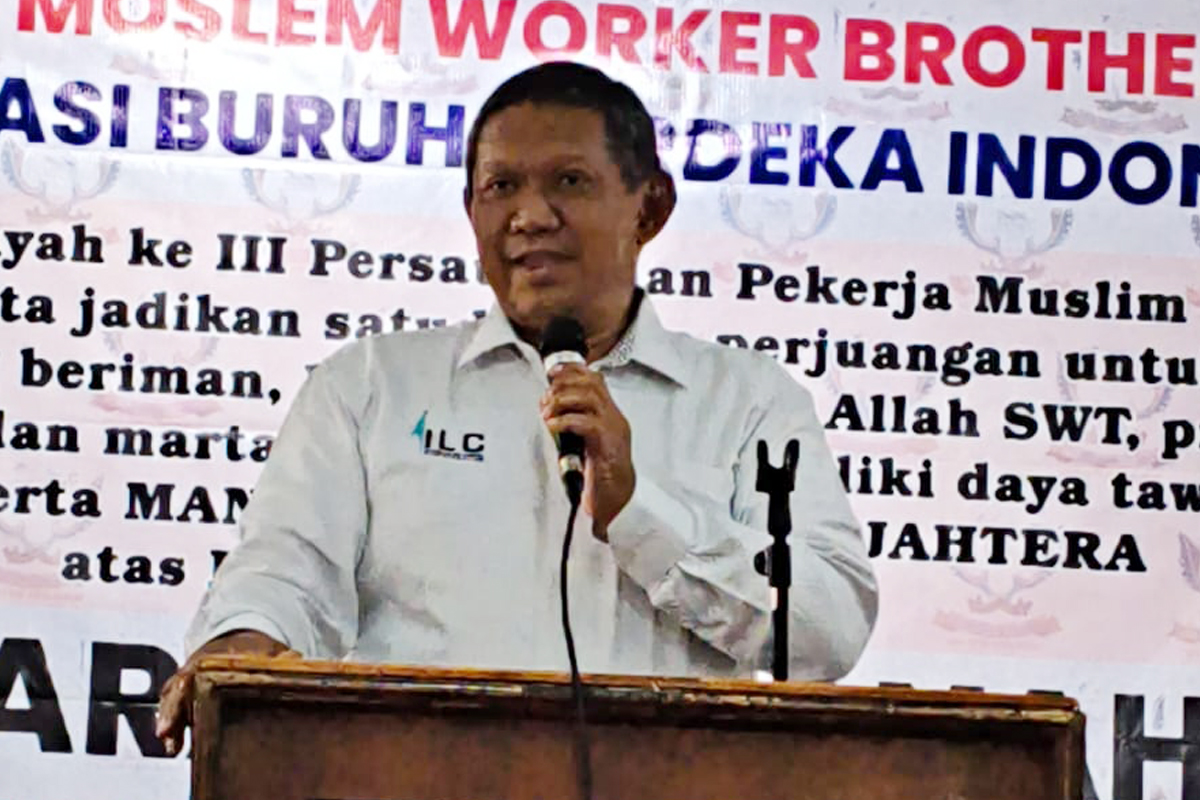
Hamza Öksüz, Secretary General of the International Labour Confederation (ILC), participated in the international conference on “Fair Labour Market Transformations in the Digital Age,” held in Minsk, Belarus, where he addressed the impact of technological transformation on the world of work, the future of the trade union movement, and the protection of workers' rights in the digital era.![ILC Secretary General Hamza Öksüz Addresses the Future of Labour Amid Technological Transformation in Belarus]()
-
WORLD DAY FOR DECENT WORK
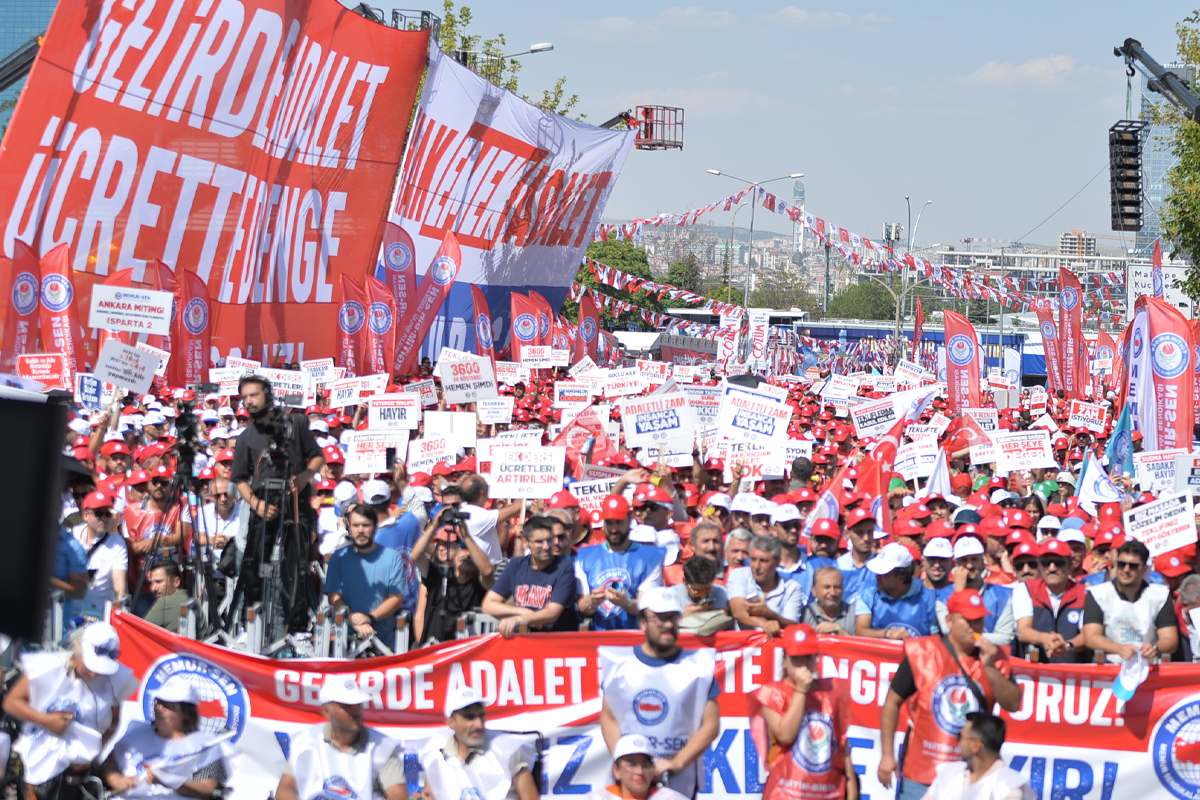
On 7 October, World Day for Decent Work, we once again voice the common demand of millions of workers around the world: a dignified working life and a decent life.![WORLD DAY FOR DECENT WORK]()
-
Statement on the International Day of Peace
Investing in Peace Means Investing in People and Our Future
We mark this year’s International Day of Peace at a time when our world is facing the devastating consequences of wars and conflicts, deepening inequalities, forced displacement and a growing sense of insecurity.![Statement on the International Day of Peace]()
-
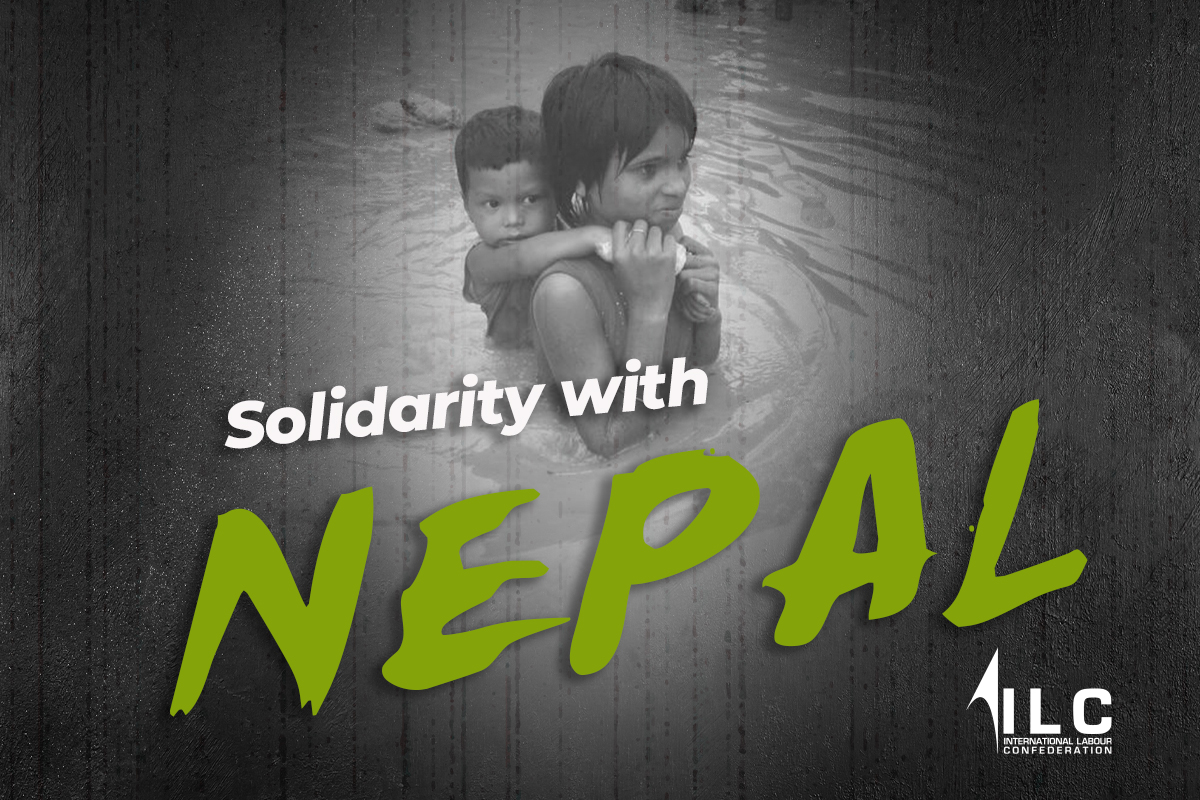
ILC Statement of Solidarity with Nepal Following the Flood Disaster
The International Labour Confederation (ILC) expresses its deep sorrow over the devastating floods in Nepal, caused by a glacial collapse, which have resulted in immense humanitarian and economic destruction.![ILC Statement of Solidarity with Nepal Following the Flood Disaster]()
-
ILC Statement on International Youth Day Justice for Youth, Solidarity for the Future
International Youth Day is an opportunity to recognise the contribution young people already make to our workplaces, communities and societies. It is also a moment to listen more carefully to the challenges they face and to ask whether today’s economic and social systems are offering them a fair start in life.![ILC Statement on International Youth Day Justice for Youth, Solidarity for the Future]()
-
Statement on The World Day Against Trafficking in Persons
On the World Day Against Trafficking in Persons, the International Labour Confederation (ILC) once again draws attention to one of the most serious violations of human dignity and fundamental rights. Human trafficking, forced labour and modern slavery continue to affect millions of people across the world, despite the commitments made by governments and international institutions.![Statement on The World Day Against Trafficking in Persons]()