News / Blog
ILC Calls for International Trade Union Cooperation and Concrete Action for a Just Transition at COP31
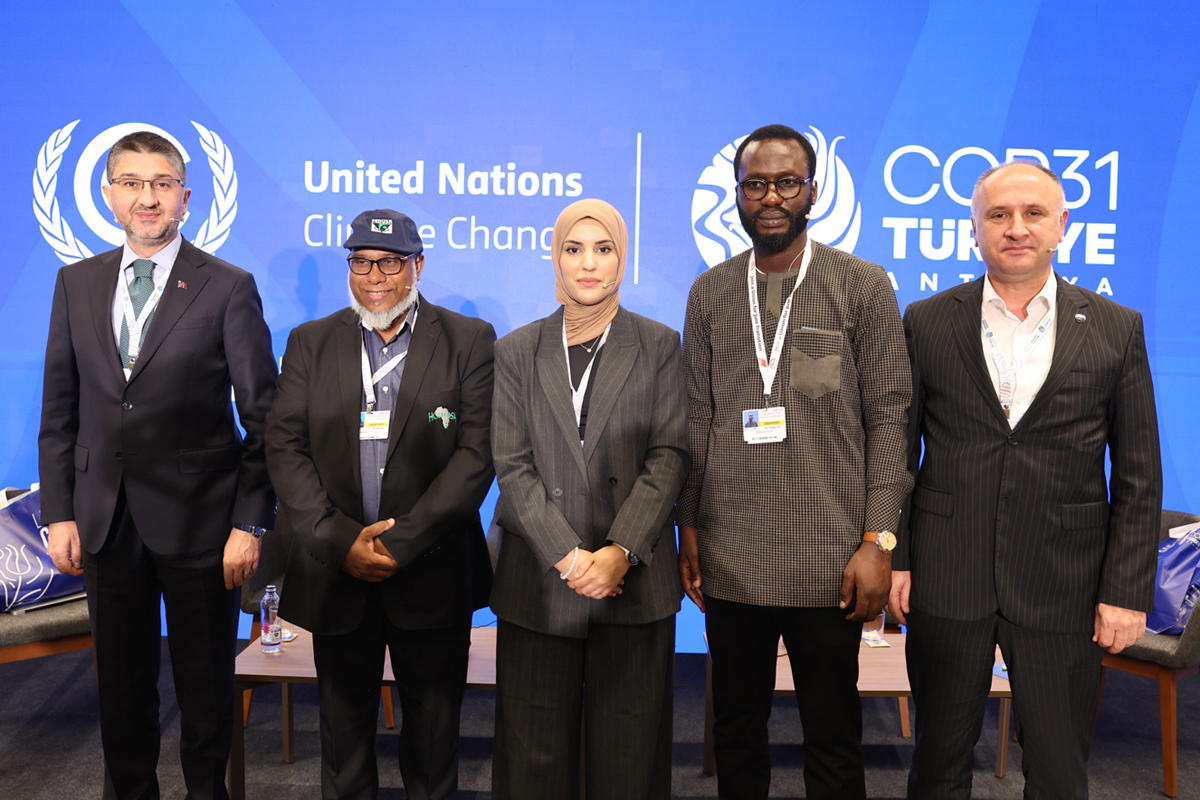
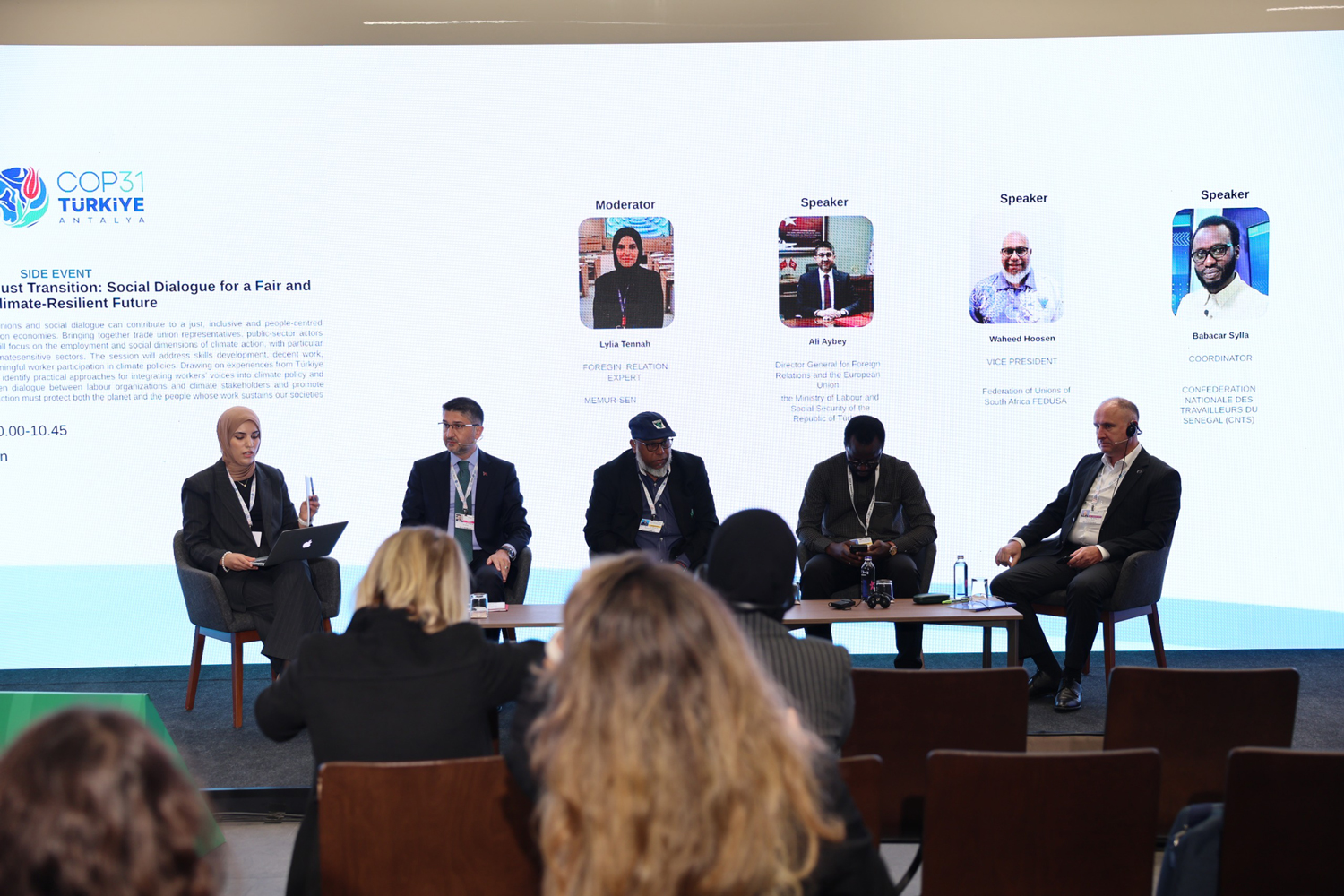
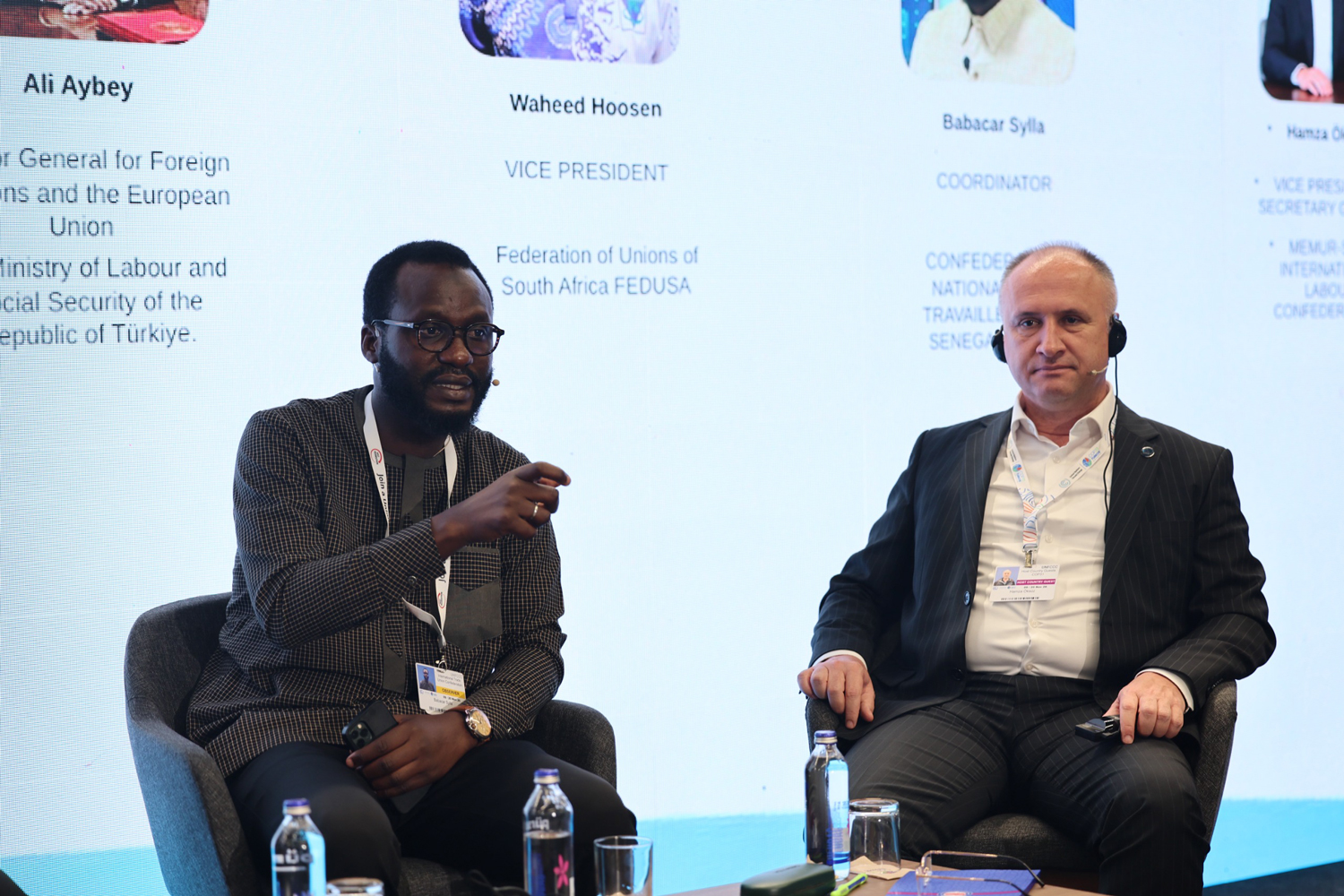
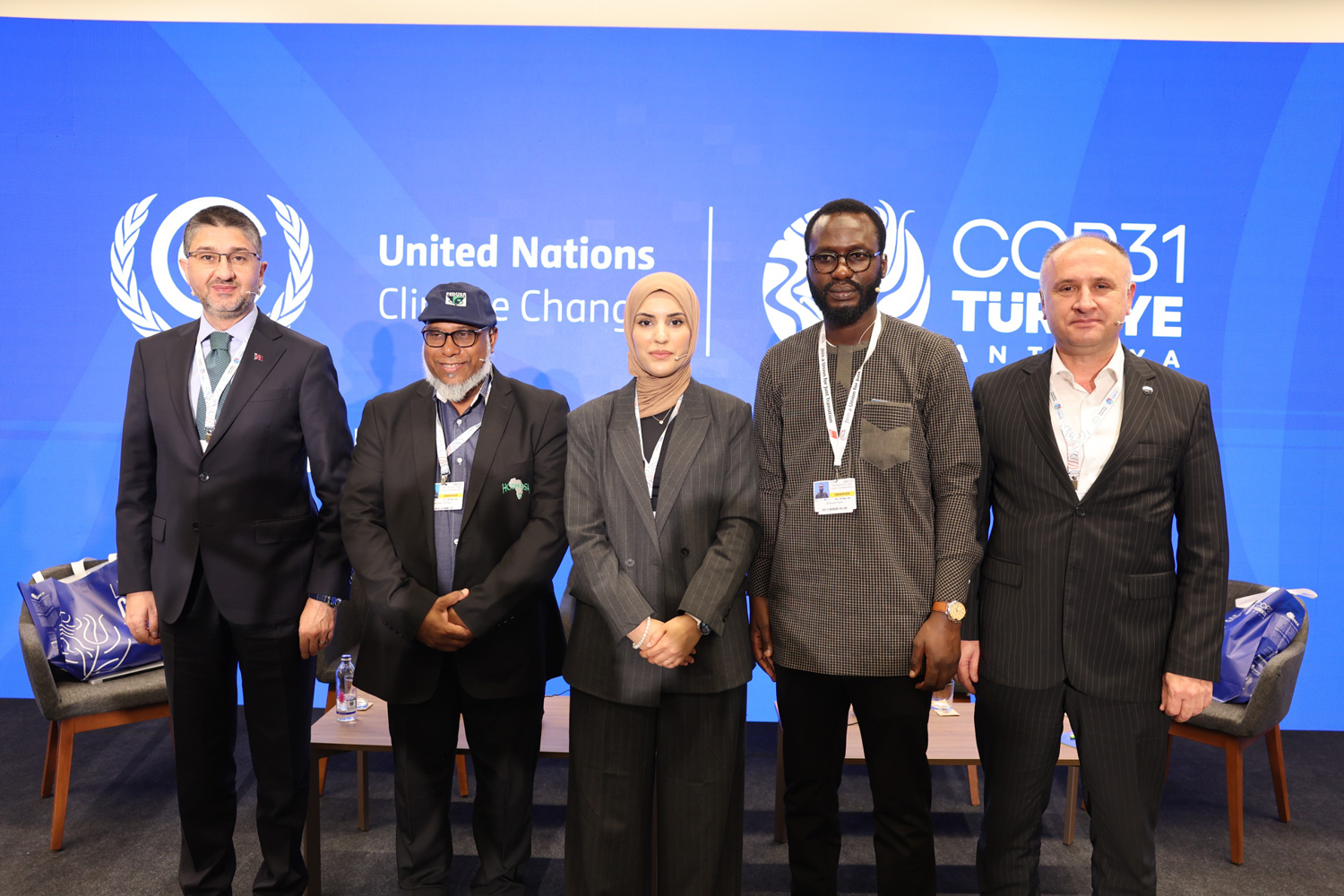
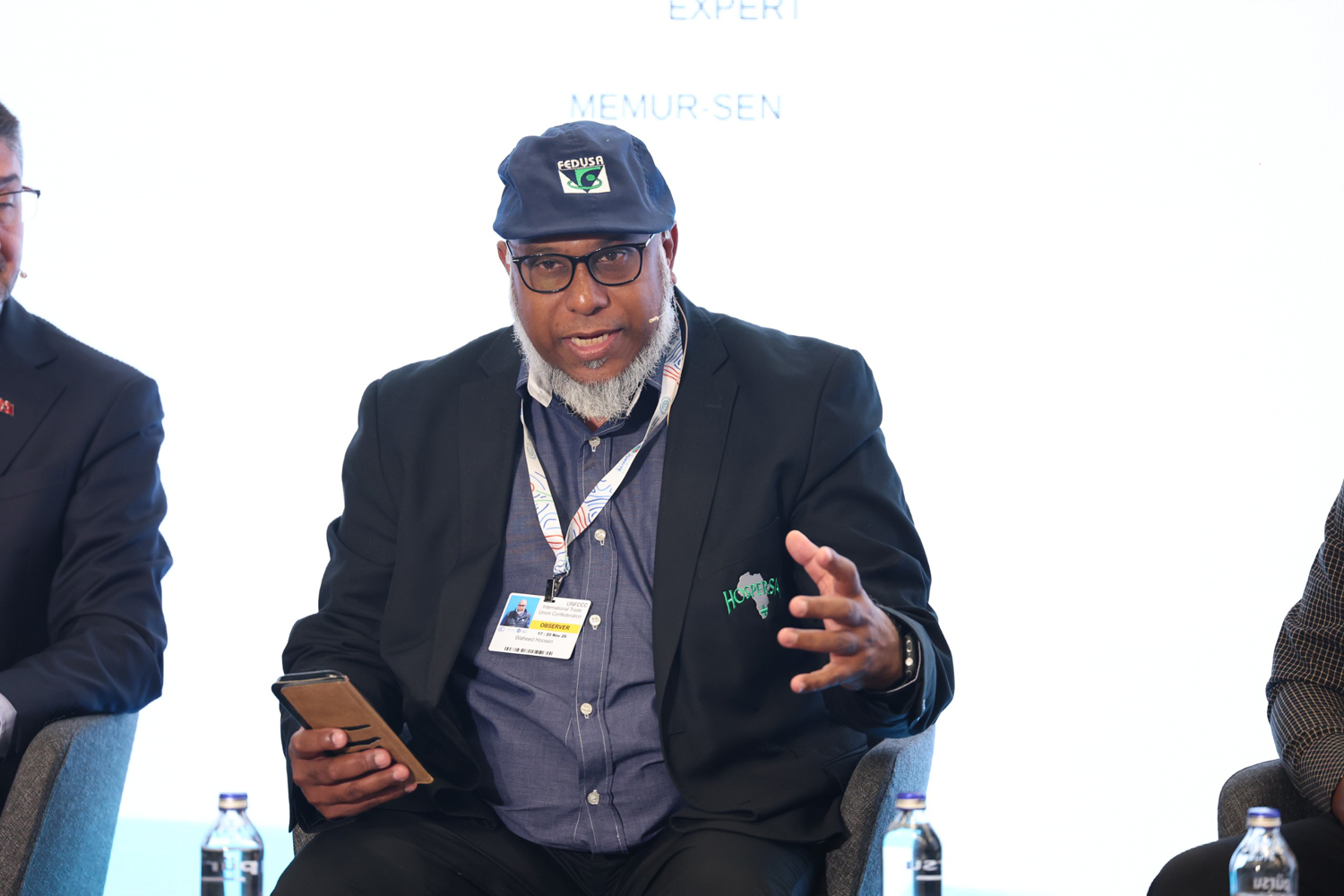
Held at the Türkiye Pavilion in the Green Zone, the event was moderated by Lylia Tennah, International Relations Expert at Memur-Sen and the ILC. The panel featured ILC General Secretary Hamza Öksüz; Ali Aybey, Director General for Foreign Relations and the European Union at the Ministry of Labour and Social Security of Türkiye; Waheed Hoosen, Vice President of the Federation of Unions of South Africa (FEDUSA); and Babacar Sylla, Coordinator at the National Confederation of Senegalese Workers (CNTS).
The panel addressed the role of workers, trade unions and social dialogue in ensuring that the transition towards climate-resilient and low-carbon economies is fair, inclusive and people-centred. Key topics included employment protection, skills development, decent work, occupational health and safety, social protection and the meaningful participation of workers in shaping climate policies.
The discussions also examined the challenges faced by public sector workers and those employed in sectors directly affected by climate change. Particular emphasis was placed on strengthening international trade union cooperation, developing effective social dialogue mechanisms and launching concrete joint initiatives following COP31.
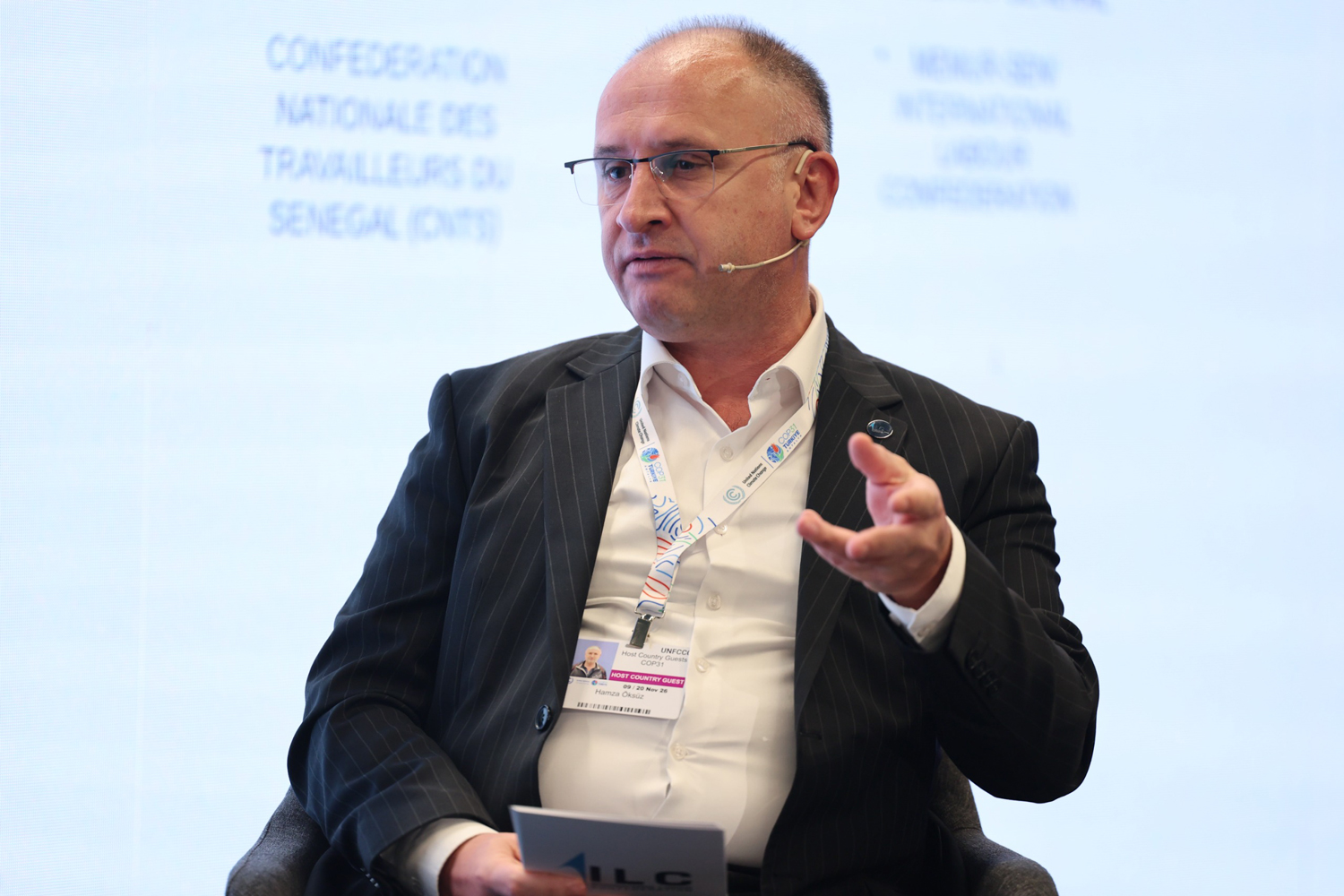 Öksüz: “Workers Must Have a Genuine Say in Transformation Processes”
Speaking at the panel, ILC General Secretary Hamza Öksüz stated that the experiences of Türkiye, South Africa and Senegal demonstrated that just transition policies could not be reduced to a single model.
Highlighting the significant differences between countries in terms of energy resources, employment structures, development priorities and institutional capacities, he stressed that climate policies must be developed in accordance with each country's economic and social circumstances.
“The strength of the international trade union movement lies not in proposing the same solutions to every country, but in defending common rights under different circumstances,” he stated.
Öksüz noted that the green and digital transitions were reshaping production processes, industries, employment structures and working conditions, bringing both new opportunities and significant risks for millions of workers worldwide.
Addressing global inequalities in access to digital technologies, he emphasised that discussions on technological transformation must not overlook the circumstances of countries and communities facing serious difficulties in accessing the internet and digital infrastructure.
He further underlined that the success of a transition should be measured not only by environmental and technological achievements, but also by its capacity to protect employment, strengthen social security and create decent work opportunities.
 ILC Outlines Five Key Priorities for the International Trade Union Movement
Presenting the ILC's approach to the post-COP31 period, the General Secretary highlighted five key priorities for strengthening international trade union cooperation.
1. Establishing a common international trade union policy agenda
Öksüz stressed that trade union organisations should develop common policies on employment protection, strengthening social security, skills development and safeguarding trade union rights, while taking into account the needs of different countries and sectors.
2. Strengthening effective and meaningful social dialogue
He called for the establishment of mechanisms involving governments, employers and trade unions that would enable workers to exert genuine influence over the formulation, implementation and evaluation of climate policies.
In this context, he delivered a clear message:
“We must measure the success of social dialogue not by the number of meetings held, but by the tangible improvements it brings to workers' lives.”
3. Supporting workers' adaptation to the green and digital transitions
He emphasised that vocational training, reskilling and lifelong learning programmes must be supported by genuine employment opportunities, decent working conditions and robust social protection mechanisms.
He also highlighted the importance of addressing the specific needs of women, young people, migrants and workers in the informal economy.
4. Strengthening climate finance and institutional capacity
Öksüz stressed the need to improve developing countries' access to financial resources, technical expertise and institutional support to enable them to implement just transition policies effectively.
He further emphasised that trade unions must strengthen their capacity to analyse climate policies, assess their impact on employment and participate meaningfully in decision-making processes.
5. Translating COP31 commitments into joint action
He stated that international trade union organisations must move beyond general principles and declarations to develop concrete cooperation mechanisms capable of delivering measurable outcomes for workers.
ILC Proposes a Three-Stage Joint Action Plan for the Post-COP31 Period
To translate the international trade union movement's shared objectives into concrete policies following COP31, the ILC General Secretary proposed launching a three-stage cooperation process, emphasising the importance of sustained and results-oriented coordination.
In the first stage, he proposed a comprehensive consultation process among trade union organisations to identify common priorities, national needs and existing opportunities for cooperation.
In the second stage, he called for the establishment of a joint monitoring and evaluation framework to assess the effectiveness of employment policies, social protection measures, research and development programmes and social dialogue mechanisms.
In the third stage, he proposed creating an international cooperation network to ensure the continuous exchange of knowledge, experience and expertise. This network would facilitate joint training programmes, technical consultations and collaborative policy development.
He explained that the purpose of this initiative was not to establish new bureaucratic structures, but rather to strengthen the capacity of existing trade union partnerships to deliver concrete results.
“COP31 must leave behind not only shared objectives, but also a shared capacity for action,” he stated, drawing attention to the increasingly visible impact that climate policies would have on the world of work in the coming years.
He emphasised that the climate agenda must become one of the long-term priorities of trade union work and that the national experiences shared during the panel demonstrated the considerable potential of international cooperation.
“Our responsibility now is to transform these experiences into lasting, results-oriented joint initiatives,” he said, affirming the ILC's readiness to strengthen dialogue among trade union organisations, contribute to joint policy development and support new partnerships.
He also underscored the importance of lasting international solidarity, stating:
“The future influence of the international trade union movement will depend on the strength of the coordination, mutual trust and collective commitment to action that we develop today.”
“Who Will Bear the Costs of the Transition, and Who Will Benefit from Its Gains?”
Beyond the institutional and political dimensions of a just transition, Öksüz also addressed the distribution of economic opportunities, inequalities and distributive justice.
He emphasised that the emergence of new employment opportunities through the green and digital transitions does not, in itself, guarantee a socially just transformation.
By asking “For whom are the new job opportunities promised by these transitions actually being created?”, he drew attention to the extent to which workers who lose their existing jobs would be able to benefit from emerging employment opportunities.
He further questioned whether workers across different regions would enjoy equal access to these opportunities:
“Will workers in Asia, Africa and Europe be able to benefit from these opportunities equally?”
Through this question, he stressed that the transition must not deepen existing global inequalities.
Öksüz emphasised that how the costs and benefits of economic transformation are distributed is a fundamental question of justice. He argued that an approach in which workers are left to bear the burden of transformation while its economic benefits are concentrated among certain groups is unacceptable.
He raised two critical questions:
“Who will bear the costs of this transition, and who will benefit from its gains? Why are workers forced to give up the rights they have fought to secure whenever a crisis or major transformation takes place?”
He also stressed the need to question whether the efforts undertaken by international labour and trade union organisations to address these challenges were sufficient, calling for more effective cooperation and mechanisms for collective action.
He underlined that technological progress, carbon emission reductions and economic restructuring cannot be regarded as genuine social progress if workers have no influence over the direction and outcomes of these processes.
A particularly strong message emerged from this part of his address:
“Whatever form transformation or change may take, we will not accept a process in which workers have no say.”
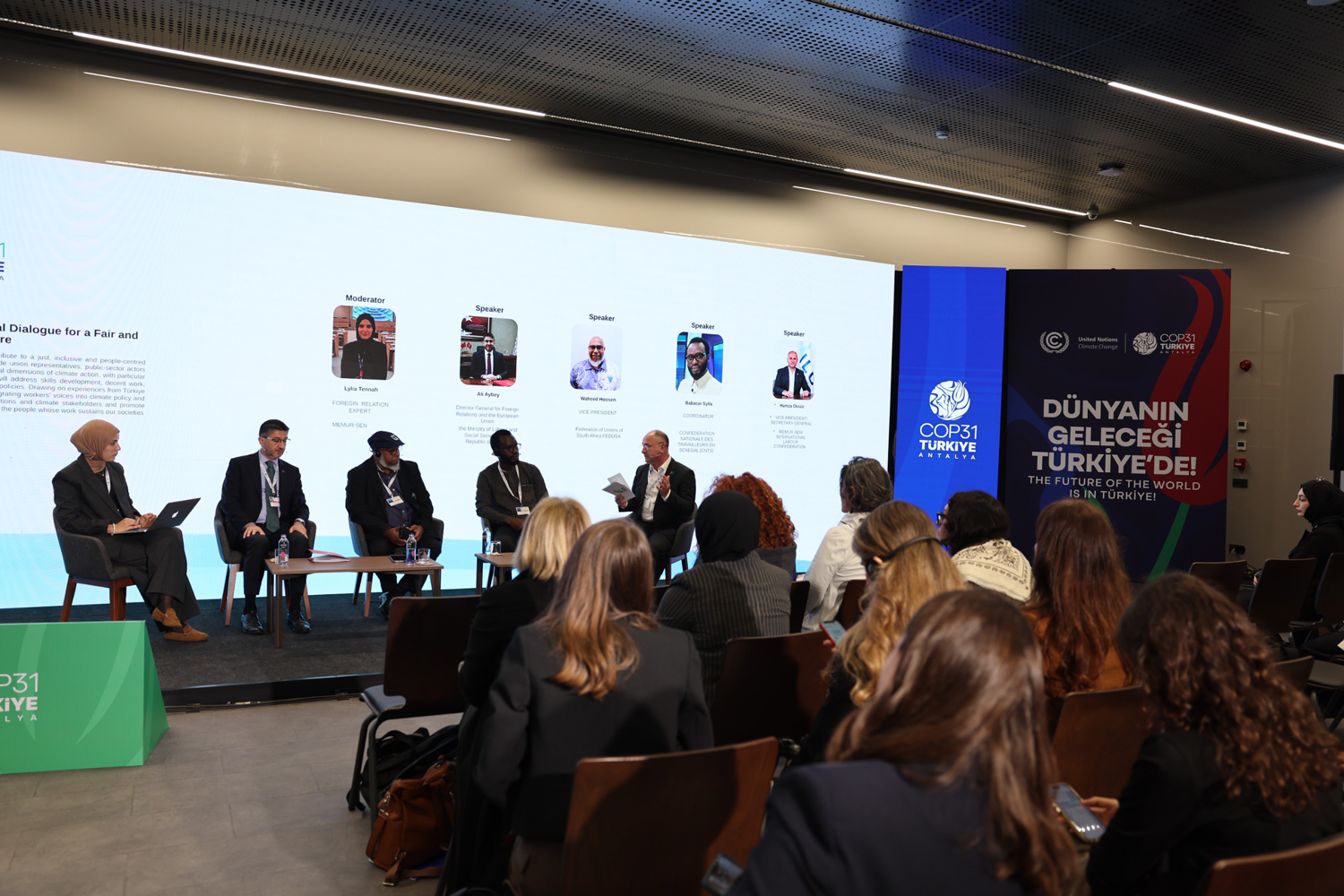 Employment Protection and Social Dialogue at the Forefront of Türkiye's Just Transition Strategy
Ali Aybey, Director General for Foreign Relations and the European Union at Türkiye's Ministry of Labour and Social Security, outlined the country's approach to managing the impacts of the green and digital transitions on employment and society.
Aybey highlighted the importance of protecting employment, developing vocational skills and integrating social dialogue into national climate policies.
Referring to Türkiye's National Just Transition Strategy and its 2027–2029 Action Plan, he presented planned initiatives aimed at identifying occupations at risk of job losses, strengthening workers' ability to adapt to changing labour market conditions and making the most of emerging employment opportunities.
He also emphasised the need to address occupational health and safety risks associated with climate change, particularly extreme heat, while preparing the world of work for technological change and the growing influence of artificial intelligence.
Aybey stressed that economic transformation must go hand in hand with social inclusion and the protection of human dignity, underlining the importance of placing people at the centre of a just transition.
South Africa: “Addressing the Climate Crisis Must Not Create a New Employment Crisis”
Waheed Hoosen, Vice President of the Federation of Unions of South Africa (FEDUSA), shared his country's experience of the just energy transition, highlighting the relationship between decarbonisation policies, employment security and social justice.
Hoosen stressed that climate policies must not create a new crisis of unemployment and economic insecurity while seeking to resolve an environmental crisis. He emphasised the importance of managing the transition in a way that is both secure and fair for workers.
He called for decent work standards to be guaranteed in emerging green sectors, the provision of living wages, stronger occupational health and safety measures, the development of domestic green industries and opportunities for workers to acquire new vocational skills.
Drawing particular attention to communities in coal-dependent regions such as Mpumalanga, Hoosen emphasised that workers affected by the transition must be supported through alternative employment opportunities, social protection programmes and investments that strengthen local production capacity.
He further stressed that trade unions must be involved from the earliest stages of transition planning and that social dialogue must be supported by binding and enforceable commitments through collective bargaining processes and institutional mechanisms.
A central message of Hoosen's remarks was that workers should not be passive recipients of decisions that directly affect their lives, but active partners in planning and implementing the transition.
Senegal Calls for Equitable Climate Finance and Protection of Vulnerable Workers
Babacar Sylla, Coordinator at the National Confederation of Senegalese Workers (CNTS), addressed the challenges facing developing African countries as they seek to strengthen climate resilience while sustaining economic development.
He pointed out that the climate crisis disproportionately affects workers in the informal economy and in climate-sensitive sectors such as agriculture, fisheries, transport and construction. He stressed that protecting vulnerable groups of workers must be a central priority of just transition policies.
Sylla called for the development of accessible climate finance mechanisms that take existing socioeconomic inequalities into account and help workers and local communities adapt to the growing impacts of climate change.
He also highlighted the importance of making the economic losses caused by extreme weather events more visible, while emphasising the need for stronger occupational health and safety protections against extreme heat and heat stress.
Sylla stressed that international financing for the energy transition must not increase the debt burden of developing countries or undermine their development priorities.
He argued that climate investments should create decent employment opportunities, strengthen national production capacities and deliver tangible benefits to workers and local communities.
He further underlined that transparent governance, the protection of workers' rights and continuous social dialogue are indispensable to ensuring a transition that is both socially just and environmentally sustainable.
From Climate Commitments to Lasting International Trade Union Solidarity
The panel underscored the need to strengthen cooperation among governments, trade unions and other stakeholders to ensure that climate policies protect both the planet and the workers who form the foundation of economic and social life.
Despite the differing economic and social circumstances of Türkiye, South Africa and Senegal, the experiences shared during the discussions revealed a number of common priorities: decent work, robust social protection mechanisms, employment security, skills development and the meaningful participation of trade unions in decision-making processes.
The panel also highlighted a fundamental challenge facing the international trade union movement: ensuring that the costs of economic transformation are shared fairly and that workers across different regions can benefit equally and equitably from the opportunities created by the green and digital transitions.
For the ILC, achieving this objective requires moving beyond general commitments towards sustained international coordination, stronger institutional capacities and concrete mechanisms through which trade unions can meaningfully influence policy outcomes.
Emphasising that the true value of international cooperation must be measured by the tangible improvements it brings to workers' lives, the panel reaffirmed the ILC's determination to strengthen its efforts in this direction and promote international trade union solidarity.
The panel's collective message was clear: A truly just transition must go beyond protecting the planet; it must also safeguard workers' rights, livelihoods and human dignity. Climate policies must be implemented alongside social justice, meaningful worker participation in decision-making and lasting international trade union solidarity.
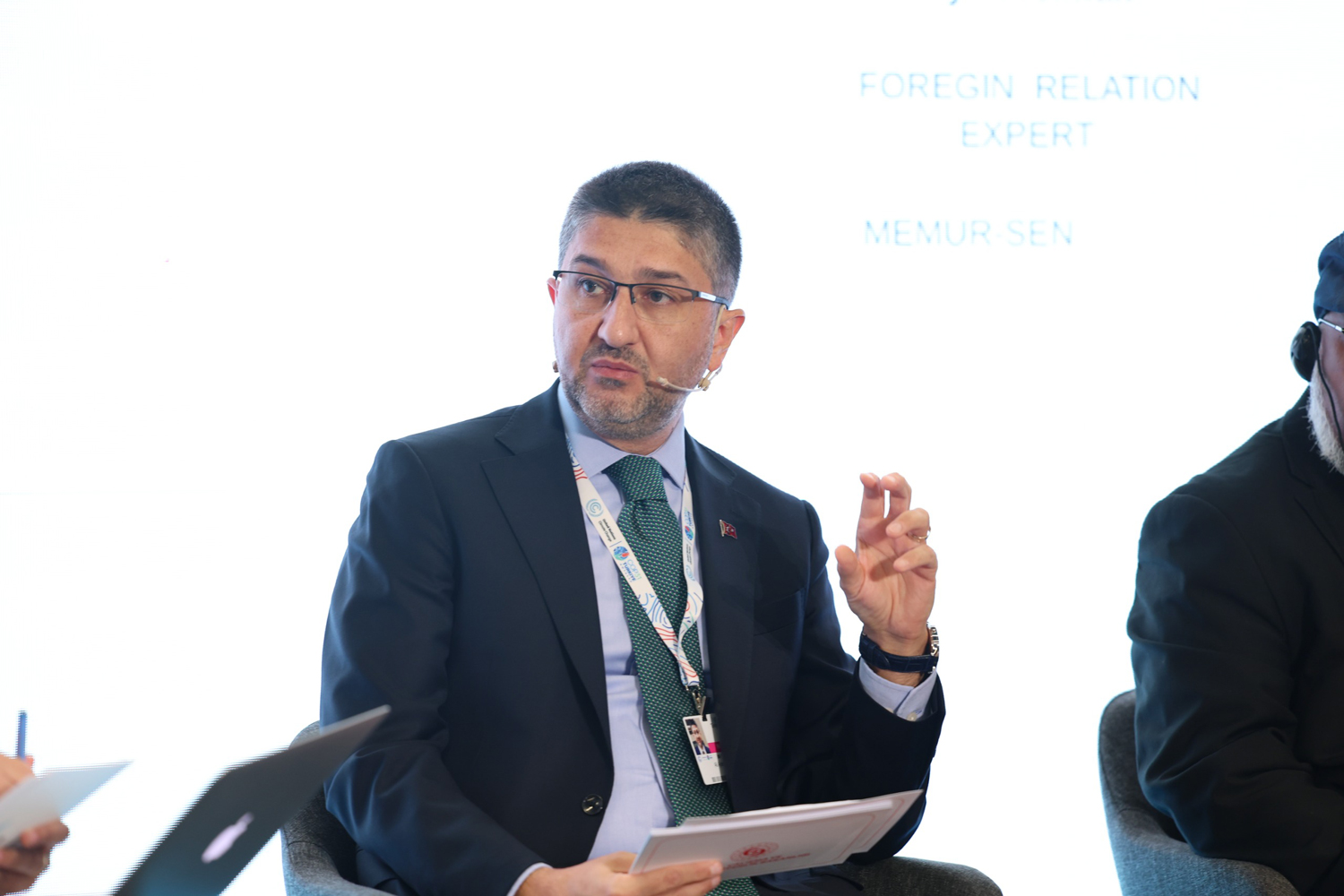
ILC Calls for International Trade Union Cooperation and Concrete Action for a Just Transition at COP31
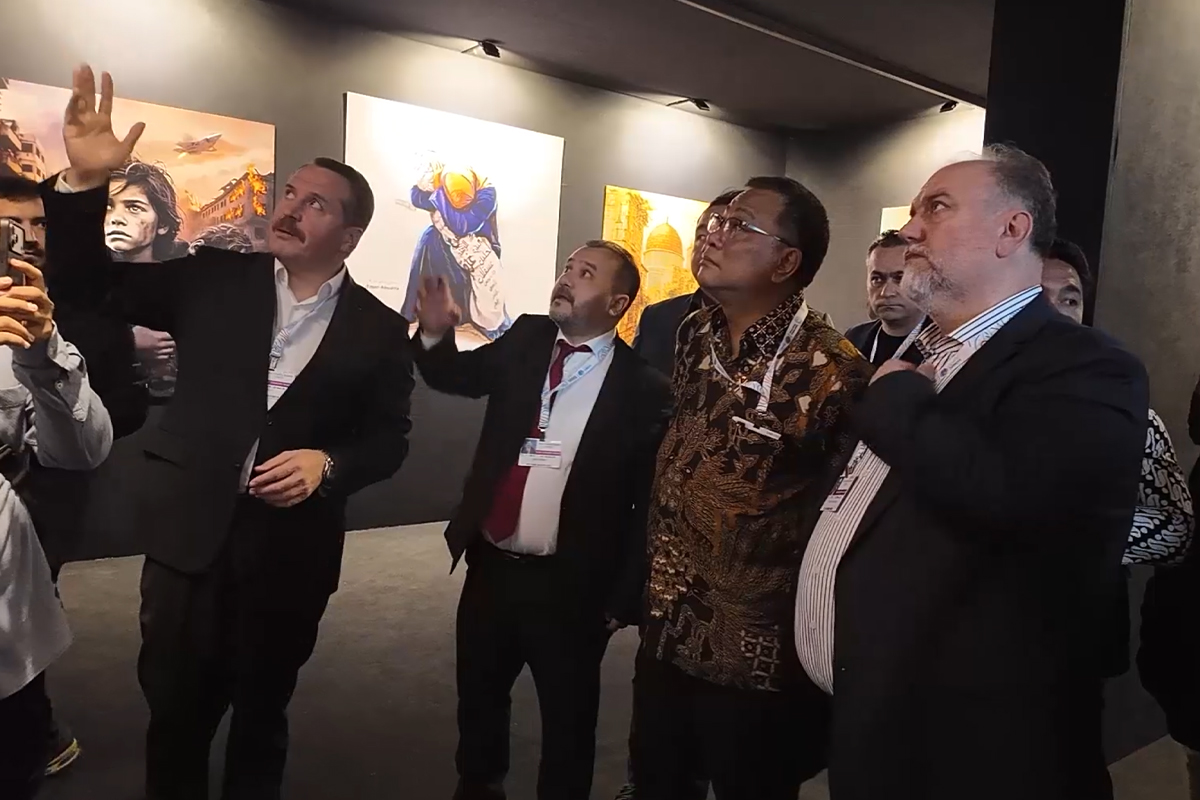
Indonesian Minister of Environment, Mr. Jumhur Hidayat, Visits Our Exhibition

“How can we be at ease while there is a genocide in Gaza?”

Different Languages, One Humanity, One Heart for Gaza
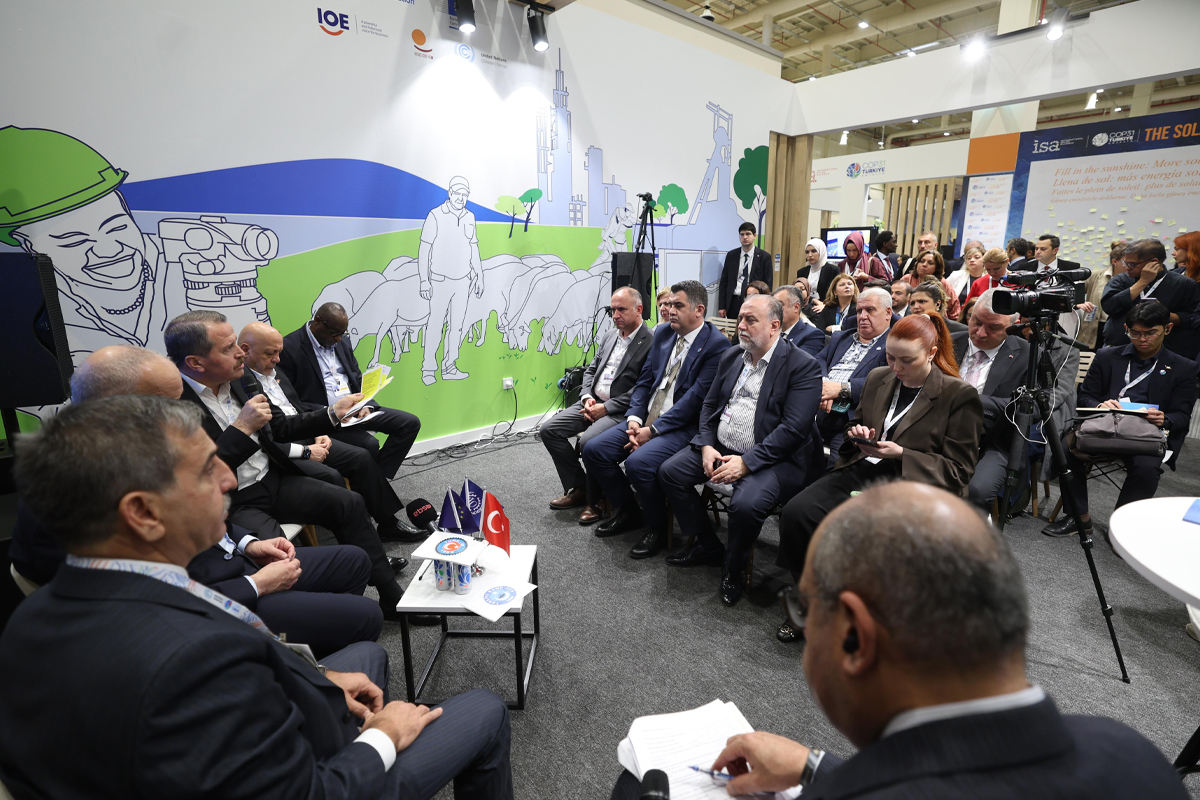
ILC President Ali Yalçın at COP31: “Workers Must Not Pay the Price of the Green Transition”
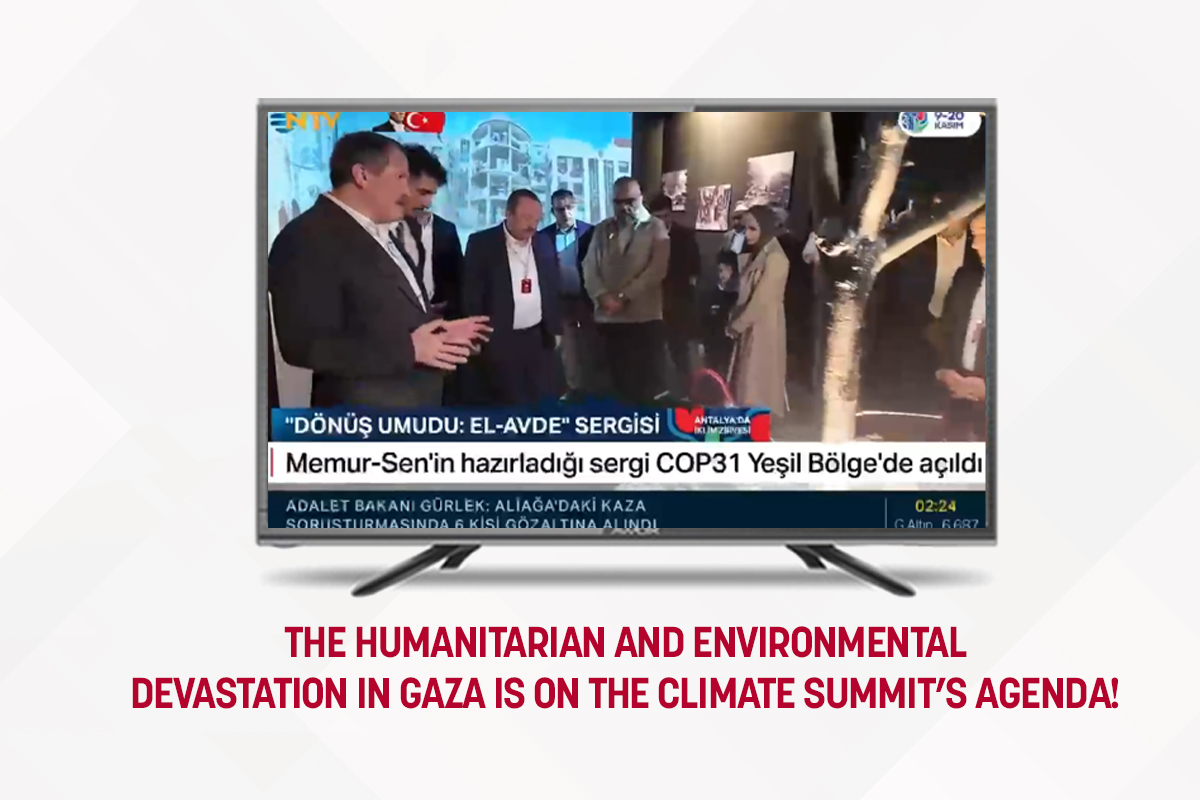
The Humanitarian and Environmental Devastation in Gaza is on The Climate Summit’s Agenda!
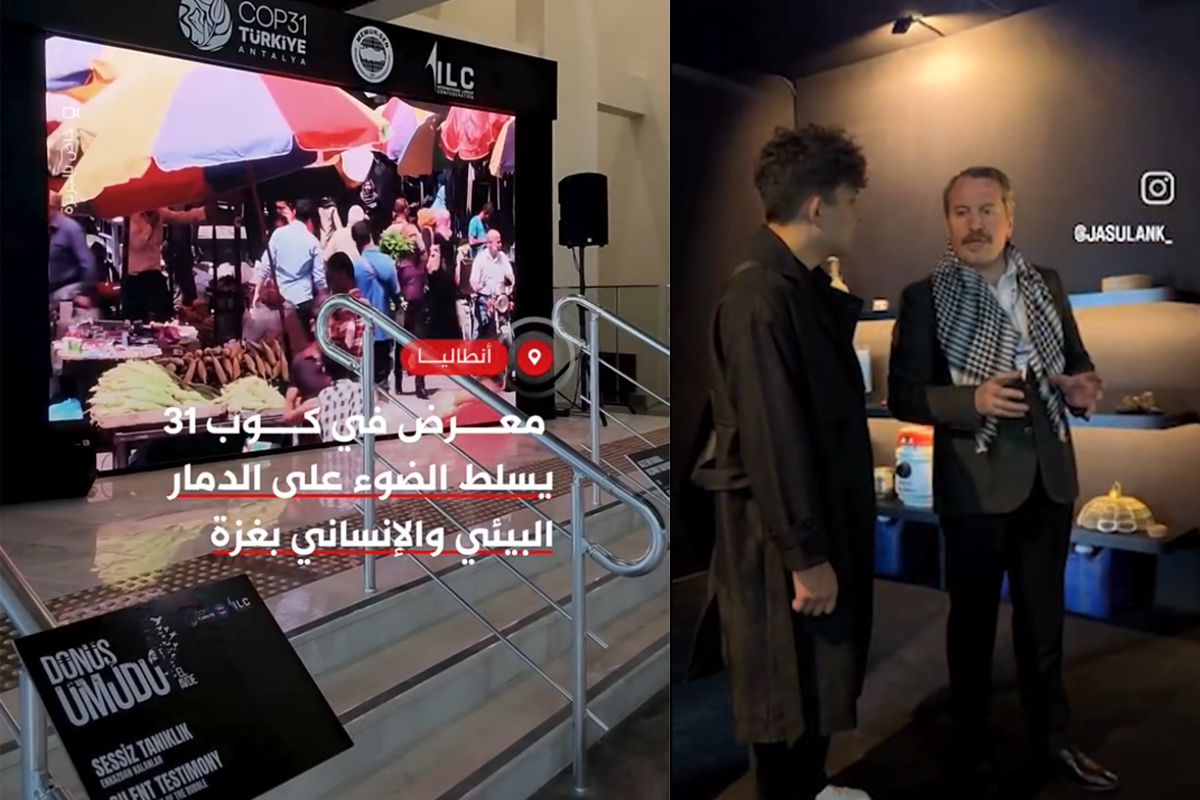
Gaza’s Voice Reaches Beyond Borders at COP31

People and Labour Must Be at the Heart of the Green Transition
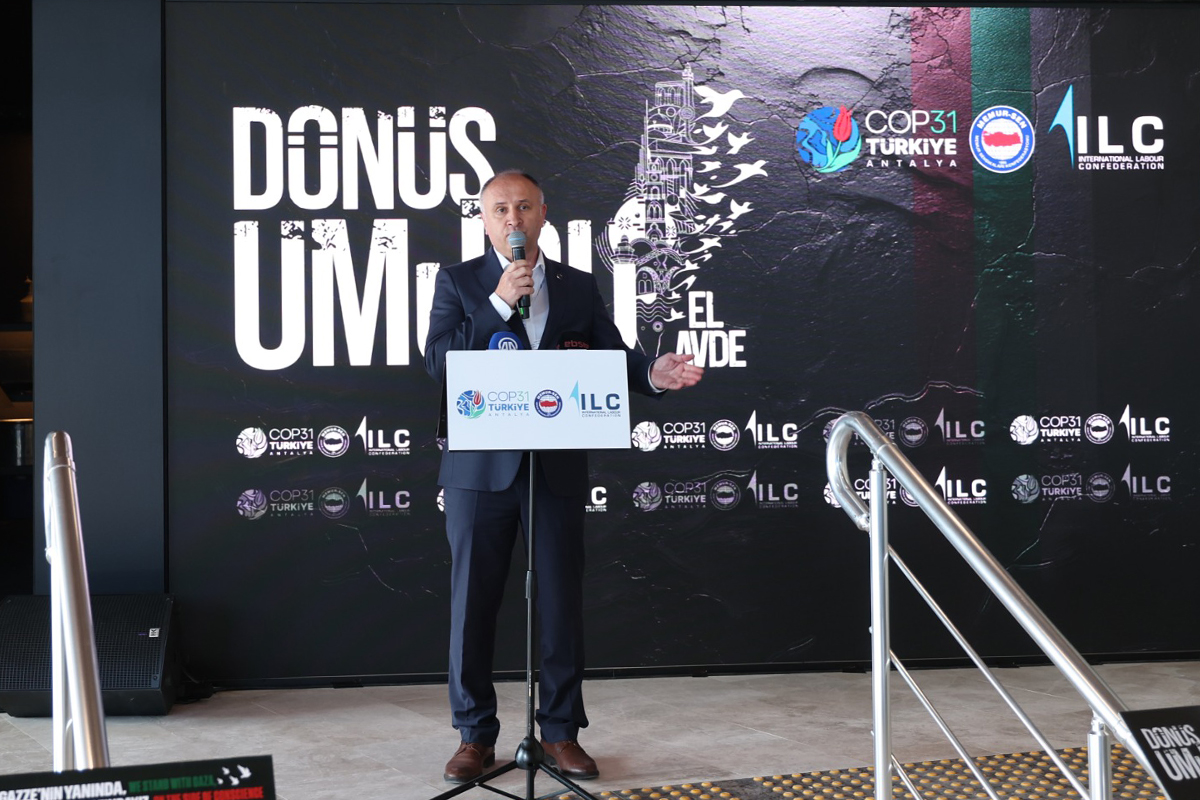
Although languages and colors may differ, hearts beat for Gaza.
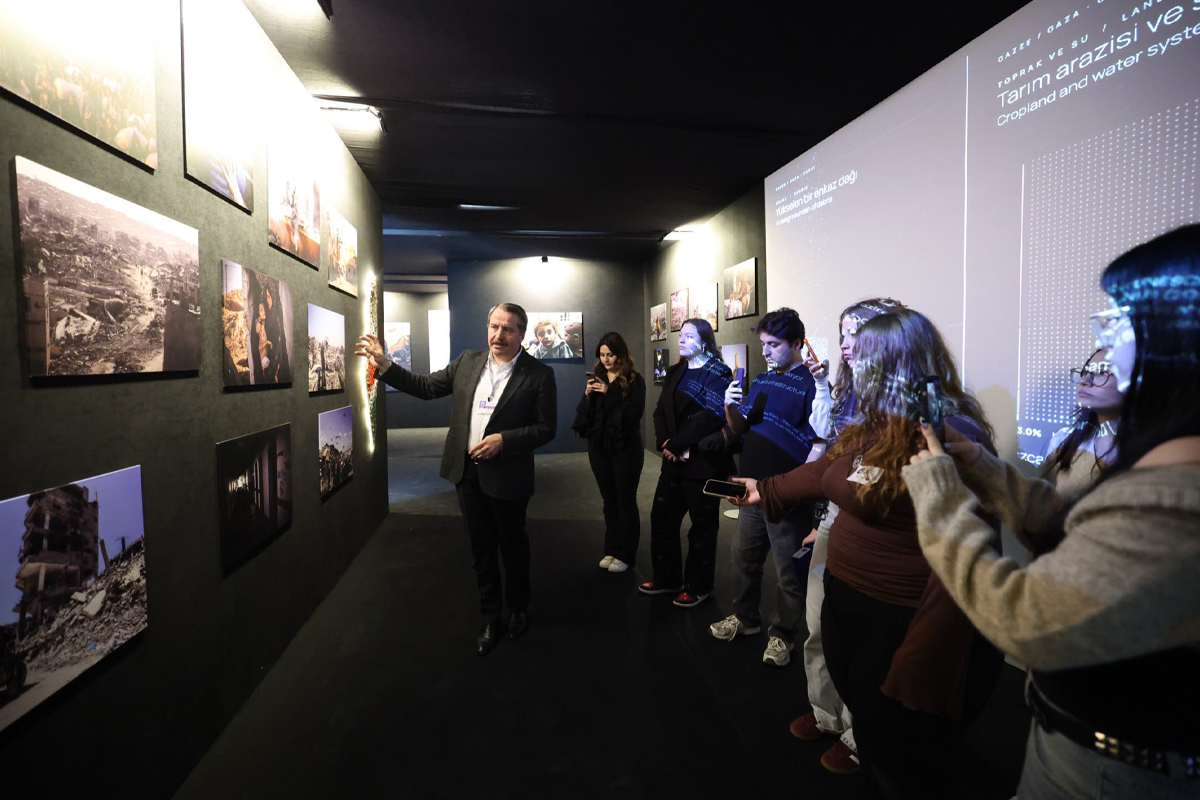
An Olive Tree, a Key, and the Hope of Return: Gaza’s Story at COP31
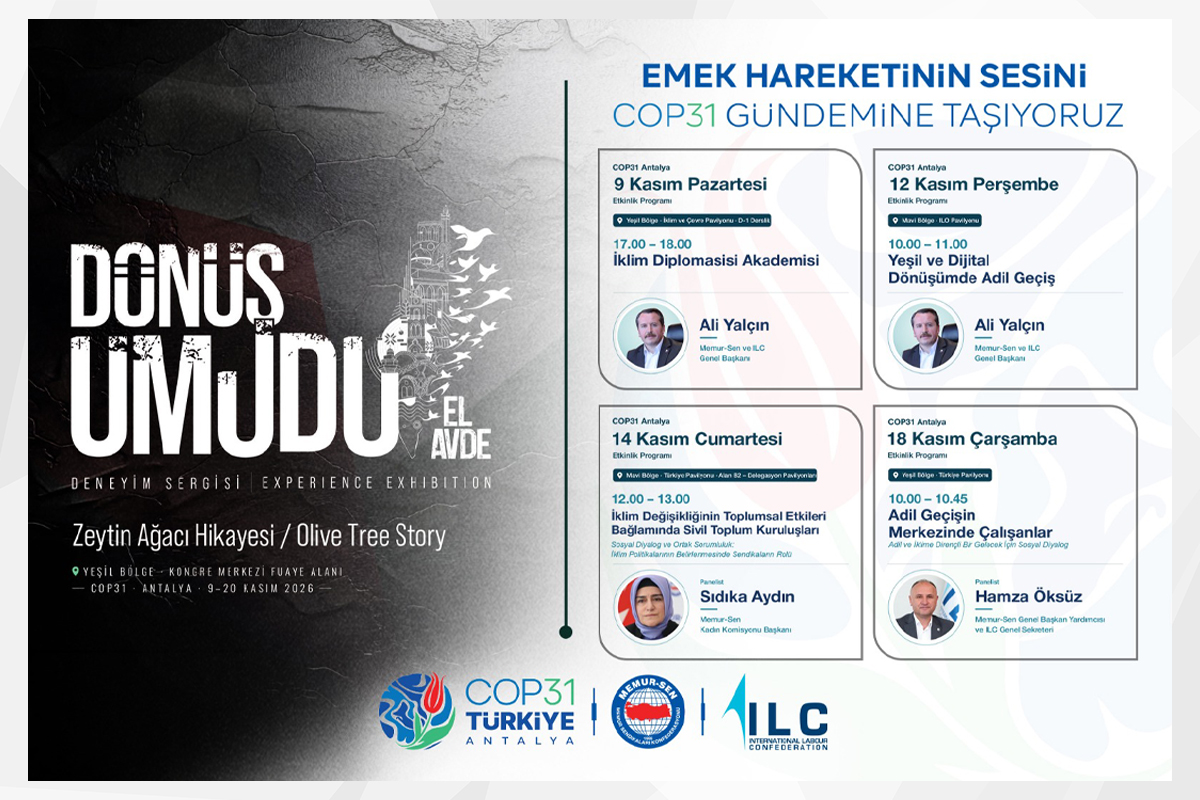
ILC & Memur-Sen will participate to Bring the Voice of the Labour Movement to the COP31 Agenda
We Met with a Delegation from GFIW, Our Executive Board Member, in Ankara
ILC and CLATE Call for Joint Action and International Solidarity
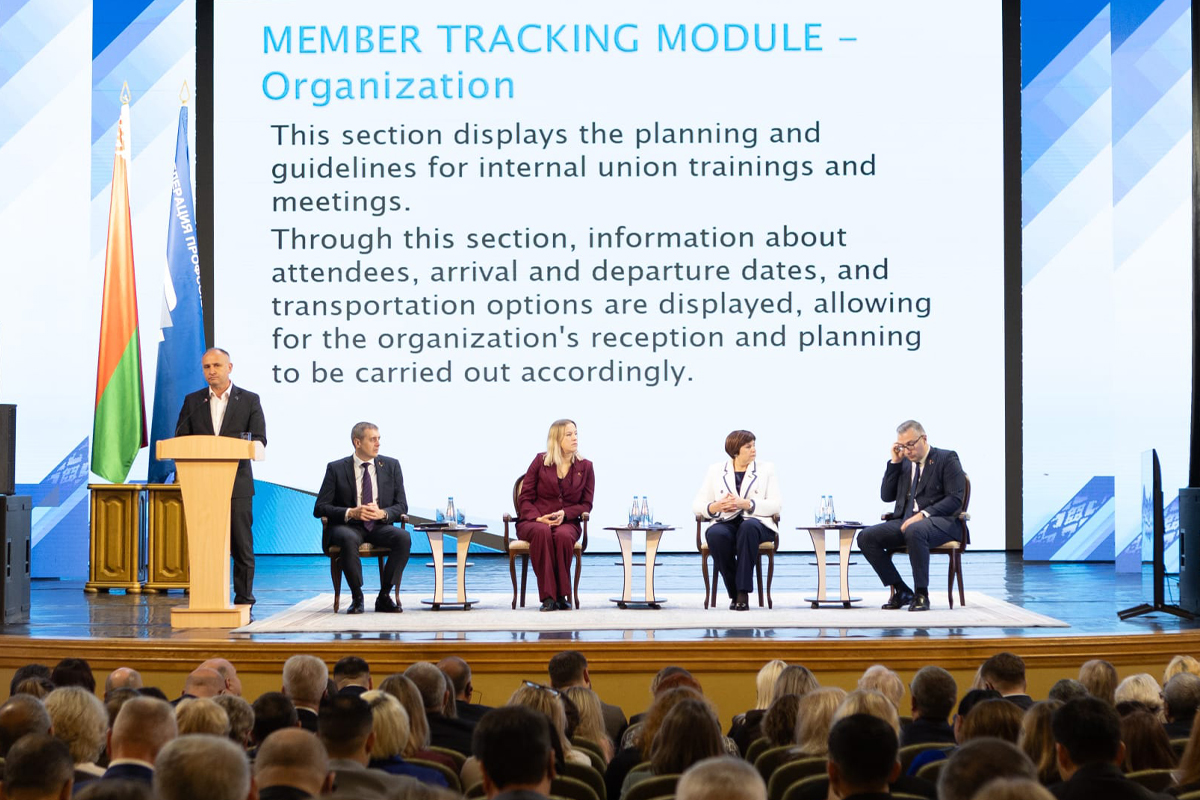
ILC Secretary General Hamza Öksüz Addresses the Future of Labour Amid Technological Transformation in Belarus