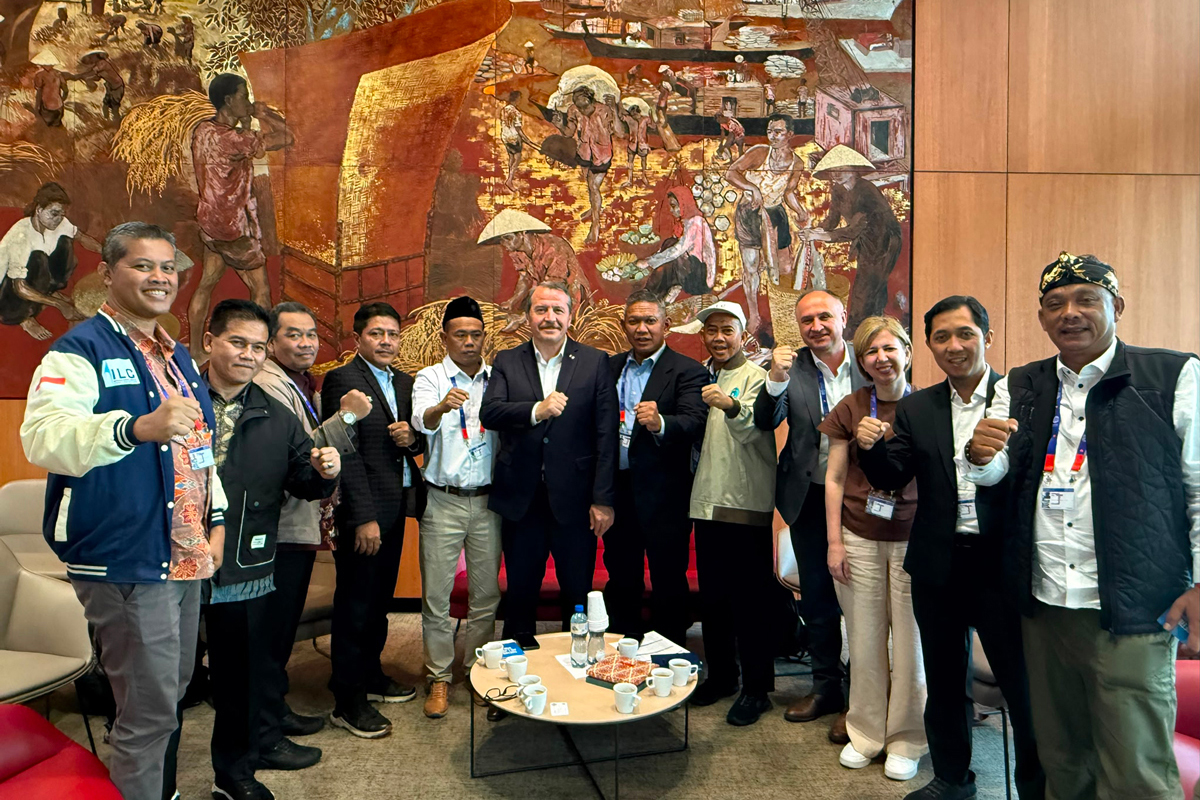
News / Blog
ILC and CLATE Call for Joint Action and International Solidarity
The meeting brought together leaders of CLATE-affiliated trade union organisations from Argentina, Brazil, Colombia, Costa Rica, Cuba, Curaçao, the Dominican Republic, Ecuador, El Salvador, Mexico, Paraguay, Peru, Chile, Uruguay and Venezuela.
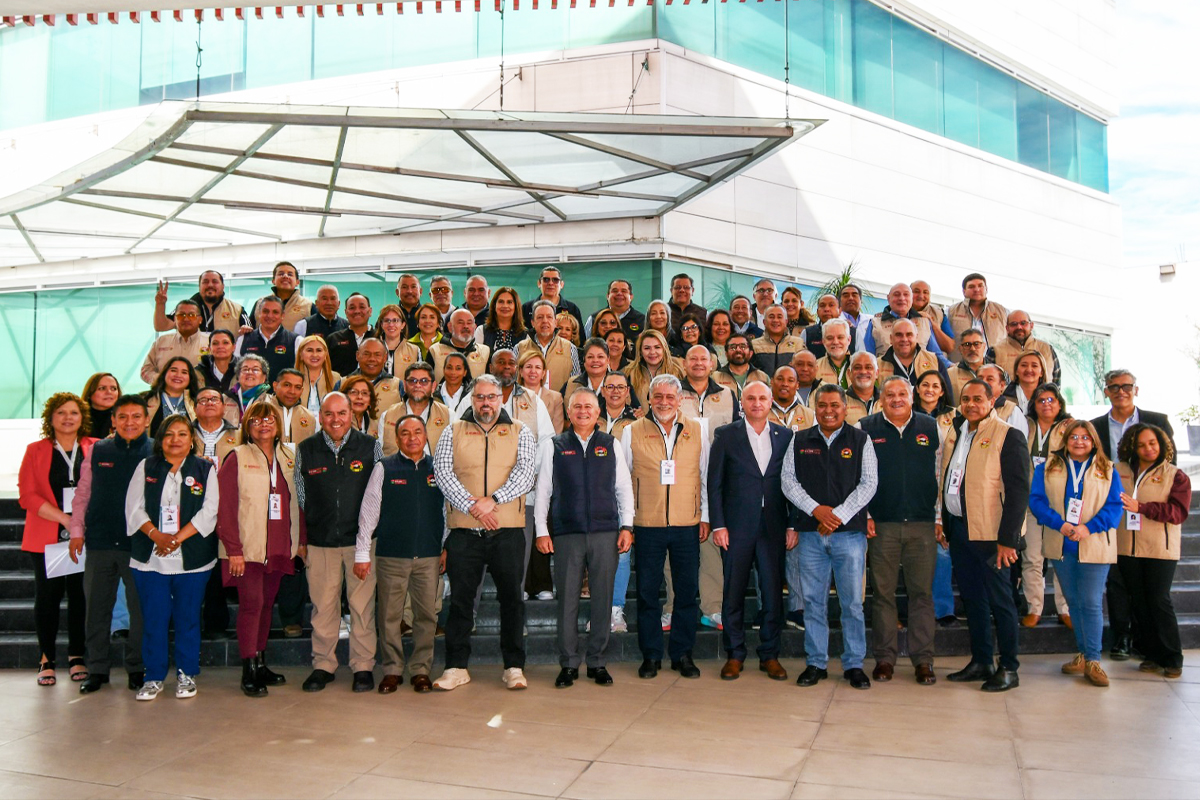
Chaired by CLATE President Julio Fuentes, the meeting was hosted by the Unified Trade Union of Workers in the Service of the State and Municipalities of Mexico (SUTEYM).
Discussions focused on the impact of neoliberal economic policies on the world of work, the protection of public services, social justice, shifting global power dynamics and the future of international trade union solidarity.
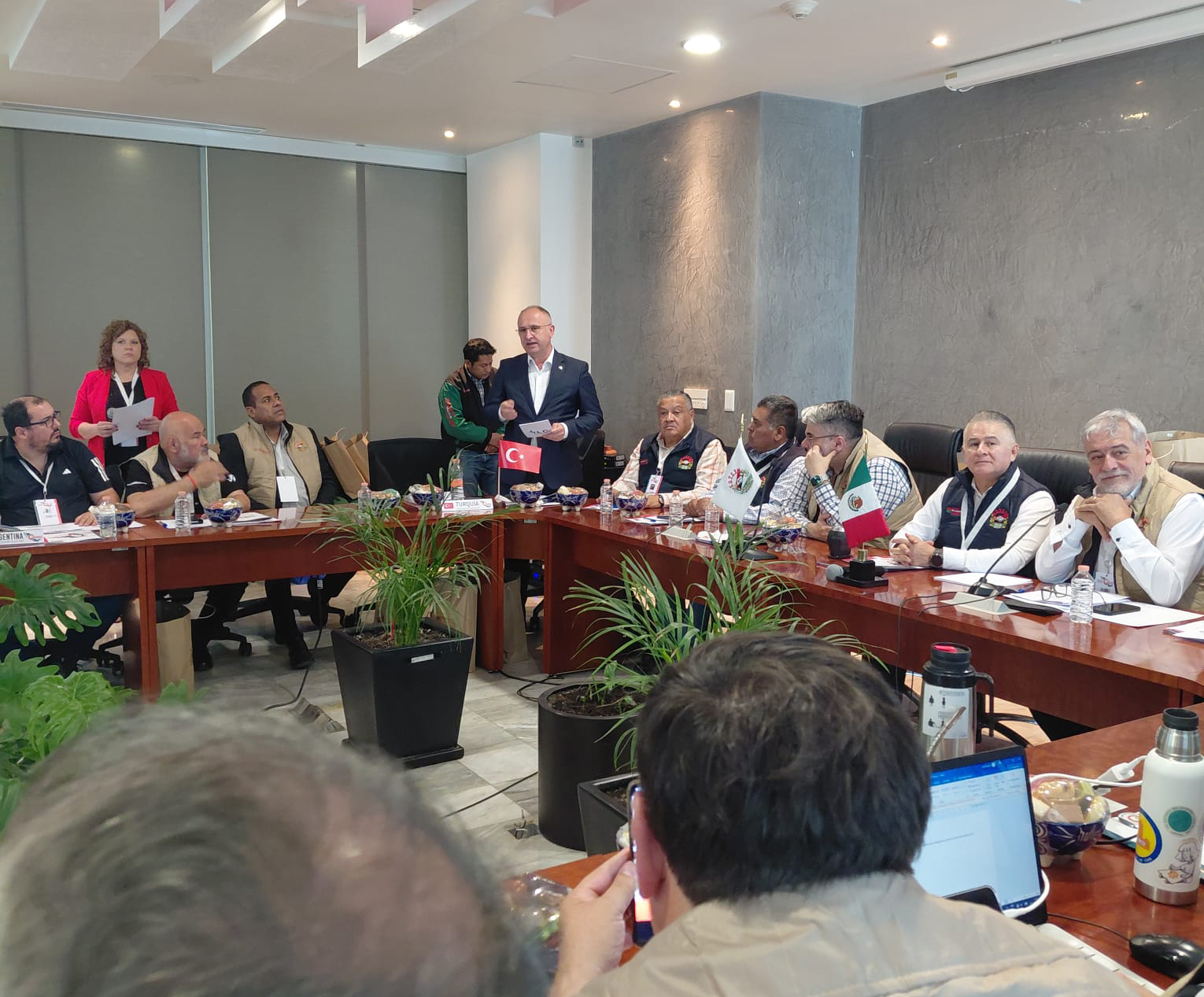
Hamza Öksüz: “The Economy Exists to Serve People, and So Does the State”
In his address, Hamza Öksüz highlighted CLATE’s nearly 60-year history of trade union struggle, emphasising that workers’ hard-won rights had been secured through collective organisation and action.
Noting that neoliberal economic policies had profoundly reshaped the world of work in many regions, particularly Latin America, since the 1980s, Öksüz stated:
“Trade union rights have never been won automatically. Social rights have never simply been granted from above. Every right has been secured through the struggle of organised labour.
The economy exists to serve people. Production exists to serve people. The state exists to serve people. And labour is not a resource to be consumed in the service of the economic system; it is fundamental to human dignity.
The costs of crises cannot be socialised while the benefits of prosperity are privatised. When economies grow, workers must share in that growth. When productivity increases, wages must reflect those gains. When technological transformation takes place, its benefits must be shared across society.
Strengthening public services is essential to social justice. Strong public sector workers mean strong public services. Strong public services mean a strong social state. And a strong social state means a more just society.”
Addressing digitalisation, the platform economy and artificial intelligence, Öksüz stressed that while these developments offered new opportunities, they also carried risks of increasing precarious employment. He emphasised that trade unions must not merely respond to the consequences of technological transformation but actively help shape its direction:
“Will we simply be subjected to the consequences of this transformation, or will we become one of the actors shaping its direction? The labour movement cannot remain outside the decision-making process. When economic policies are being discussed, workers must have a seat at the table.”
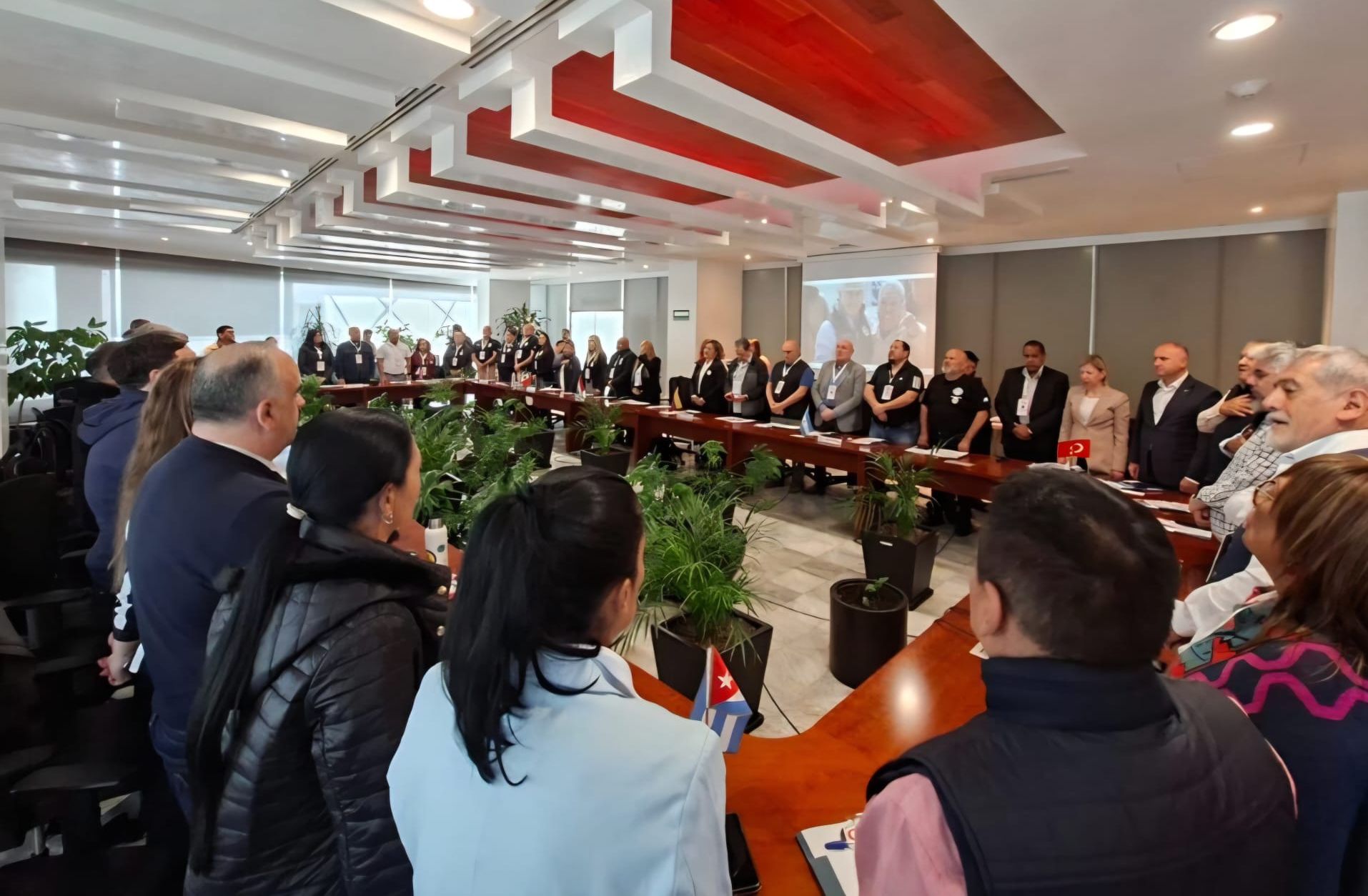
“One of the Responsibilities of Trade Unions Is to Ensure That Injustices Are Not Forgotten”
Continuing his address, Öksüz drew attention to the profound international challenges facing the labour movement:
“The world is entering a new period of transformation. Wars and conflicts are taking place in many parts of the world. Many concepts have lost their meaning. Freedom, equality, justice, human rights and dignity, and international law have largely remained principles on paper.
In this emerging world disorder, the law of the jungle increasingly prevails. Starvation is being used as a weapon against children, while elected heads of state are abducted from their own countries before the eyes of the world.
One of the responsibilities of trade unions is to ensure that the actions of imperialist and Zionist forces against people and the future of humanity are neither forgotten nor erased from collective memory.”
Öksüz also reaffirmed the ILC’s commitment to international trade union solidarity and called for stronger institutional cooperation with CLATE:
“As the ILC, we do not see the world’s different trade union traditions as competing forces, but as complementary strengths. We attach great importance to further developing our relations with CLATE and reinforcing concrete, institutional cooperation between our organisations.”
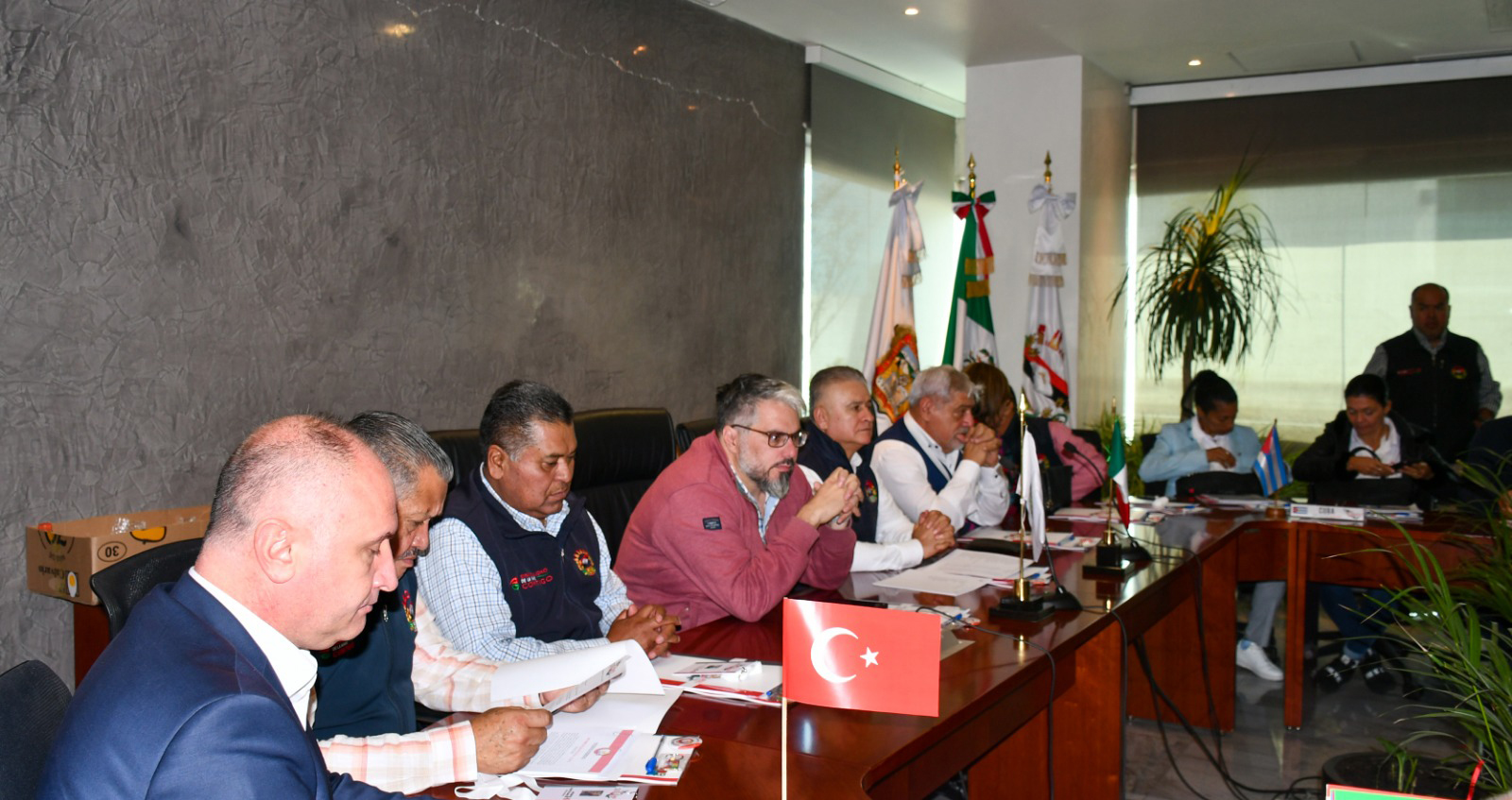
CLATE President Julio Fuentes: “We Must Strengthen International Trade Union Solidarity in a Changing World Order”
CLATE President Julio Fuentes addressed the political and economic transformations taking place worldwide, stressing the need for the trade union movement to prepare for shifting global power dynamics.
“The world is changing. We are moving from a unipolar order towards a multipolar world. As a trade union movement, we must be prepared for this transformation and strengthen our solidarity with labour organisations across different regions. I greatly value the presence of the ILC delegation among us today.”
Discussing the impact of neoliberal economic policies on Latin American countries, Fuentes recalled how the view that the public sector was inherently inefficient and that economic development could only be achieved through privatisation had been imposed on countries across the region for decades.
He argued that economic programmes promoted by the International Monetary Fund (IMF) had deepened poverty and social inequality while undermining countries’ economic independence, stressing that the trade union movement needed to pursue a more determined and strategic response to these policies.
Fuentes also underlined the importance of strong public institutions and effective state capacity in safeguarding national sovereignty. He warned that weakening the state could leave countries’ natural and economic resources increasingly vulnerable to external intervention and control by powerful corporate interests.
Turning to the future of the trade union movement, Fuentes emphasised the importance of engaging younger generations in trade union activities. He called for research into the proportion of trade union members and leaders aged 35 and under, with a view to developing new strategies that would encourage greater youth participation and representation in union decision-making structures.
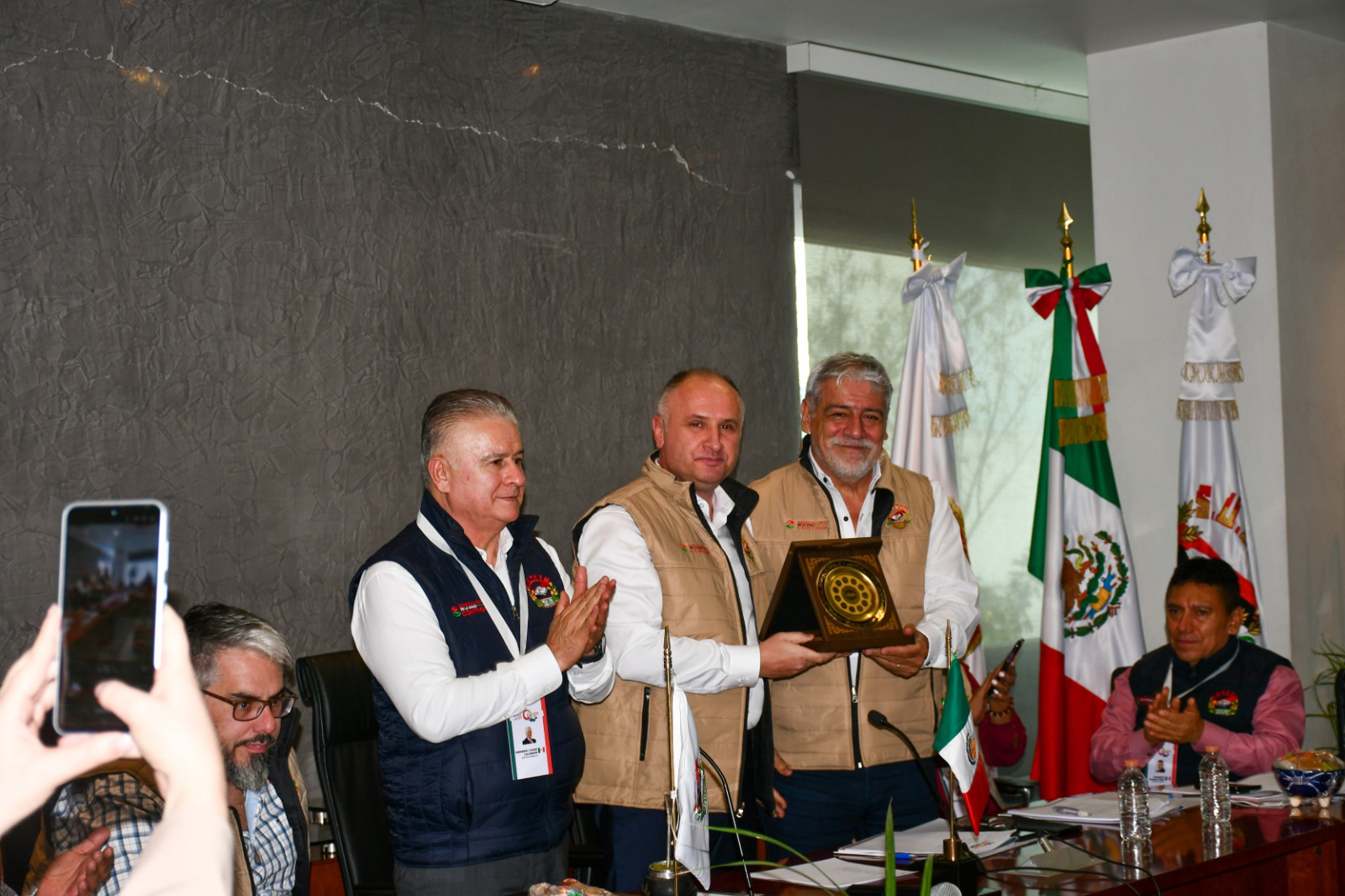
Martin Pereira: “Real Change Requires Collective Struggle, Not Words Alone”
CLATE Secretary-General Martin Pereira emphasised the importance of international trade union solidarity, noting that the influence of certain centres of power over some international labour organisations could undermine the independence and effectiveness of trade union struggles.
Against the backdrop of a rapidly changing world, Pereira stressed the need to strengthen international cooperation and solidarity to address the challenges shared by workers across different countries. He underlined that meaningful change could only be achieved through collective struggle and concrete action, rather than words alone.
Common Challenges Facing Workers Across Latin America Discussed
Trade union representatives from participating countries reviewed political, economic and social developments in their respective countries, drawing attention to the common challenges confronting workers throughout the region.
Discussions highlighted unemployment, precarious employment, income inequality, the erosion of social rights, the weakening of public services and the exclusion of migrant workers from social security systems.
Representatives criticised the adverse consequences of structural adjustment programmes implemented under the Washington Consensus, as well as economic policies supported by the IMF and World Bank, particularly their impact on public services, social rights and national economic independence.
They noted that the burden of privatisation, cuts in public spending and rising public debt had fallen disproportionately on workers and low-income communities.
Unfair taxation systems, the growing influence of major corporate interests over economic and political decision-making, and the increasing concentration of wealth in the hands of a small minority were also among the issues discussed.
Despite differing national economic and political circumstances, participants emphasised that workers faced remarkably similar challenges and that stronger trade union organisation and collective action were essential to defending hard-won rights.
The Role of Trade Unions in a Changing World Order
Another key theme of the meeting was the threats facing the economic independence and national sovereignty of Latin American countries.
Participants examined the transition from a unipolar international order towards a multipolar global system, while criticising external interference in the region and the hegemonic policies of the United States.
In response to these developments, representatives called for closer coordination among trade unions across national borders, the development of shared policies and the establishment of stronger international solidarity networks.
The meeting also expressed solidarity with the Palestinian people, calling for accountability at the international level, the protection of Palestinian rights, respect for international law and the establishment of lasting peace. Participants unanimously agreed to issue a statement of support for the Palestinian people.
Lula’s Electoral Victory Welcomed Across Latin America
The re-election of Luiz Inácio Lula da Silva in the second round of Brazil’s presidential election, held on 25 October was welcomed with enthusiasm by participating trade union representatives, who regarded Lula’s victory as a significant development for the struggle for labour rights, social justice, democracy and national sovereignty in Latin America.
Commenting on the election outcome, Hamza Öksüz emphasised the importance of the will of the people, stating:
“No matter how many schemes imperialist powers devise, ultimately, it is the people who have the final say.”
Toluca Declaration Highlights Social Justice and Trade Union Rights
The Toluca Declaration, adopted at the conclusion of the meeting, reaffirmed a shared commitment to protecting public sector workers’ rights, strengthening the social state and advancing international trade union solidarity.
The Declaration opposed austerity measures, privatisation and the downsizing of the public sector, emphasising that healthcare, education and social security are fundamental rights that must not be left at the mercy of market forces.
It also called for the protection of the rights to organise and bargain collectively, action against precarious employment and subcontracting, greater participation of women and young people in trade union decision-making, and the management of technological transformation in ways that safeguard workers’ rights.
The Declaration further called for stronger regional solidarity among Latin American and Caribbean countries.
Special emphasis was also placed on developing trade union relations with Türkiye and strengthening dialogue and cooperation among labour organisations across different regions of the world.
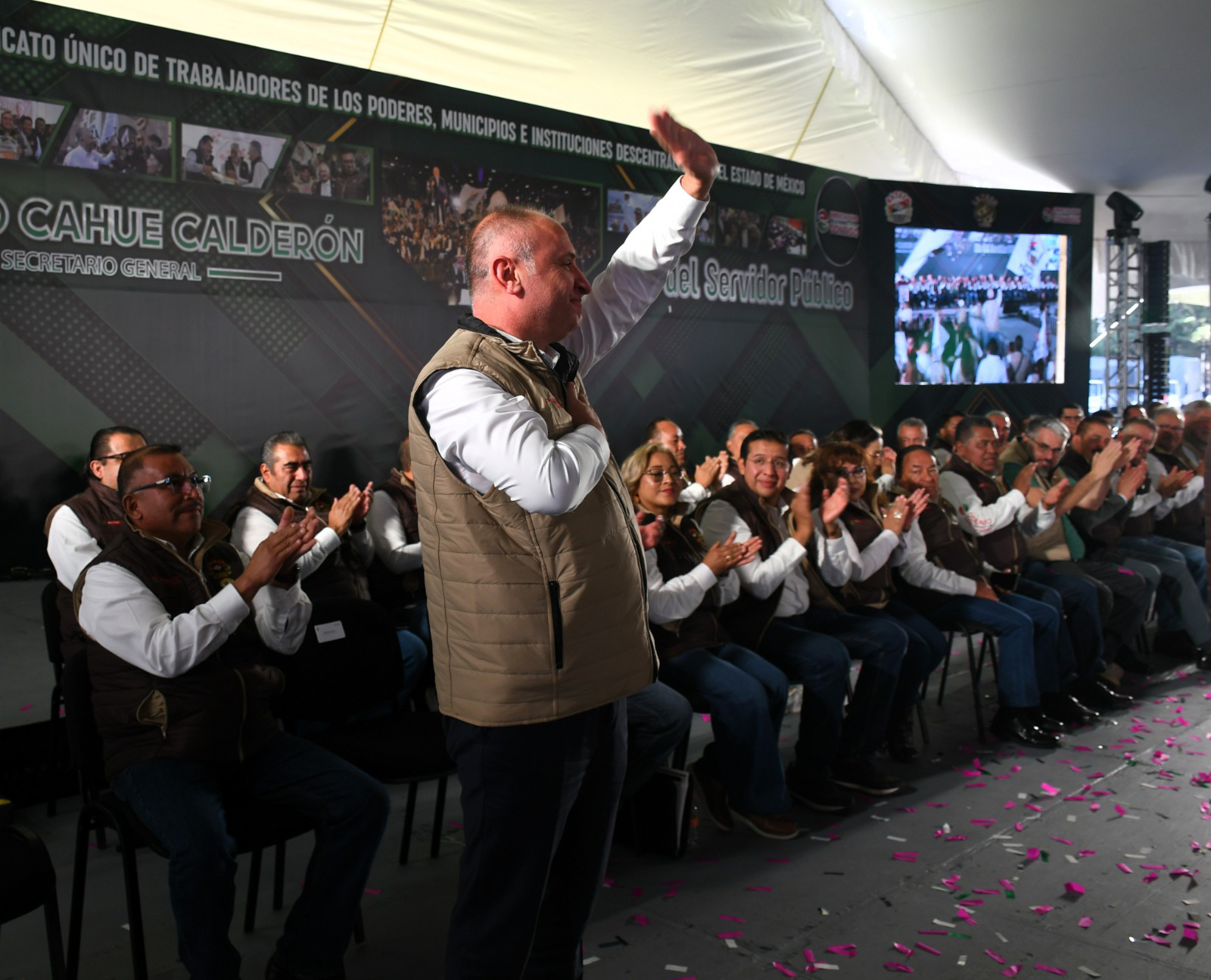
ILC Participates in SUTEYM’s 88th Anniversary Celebrations
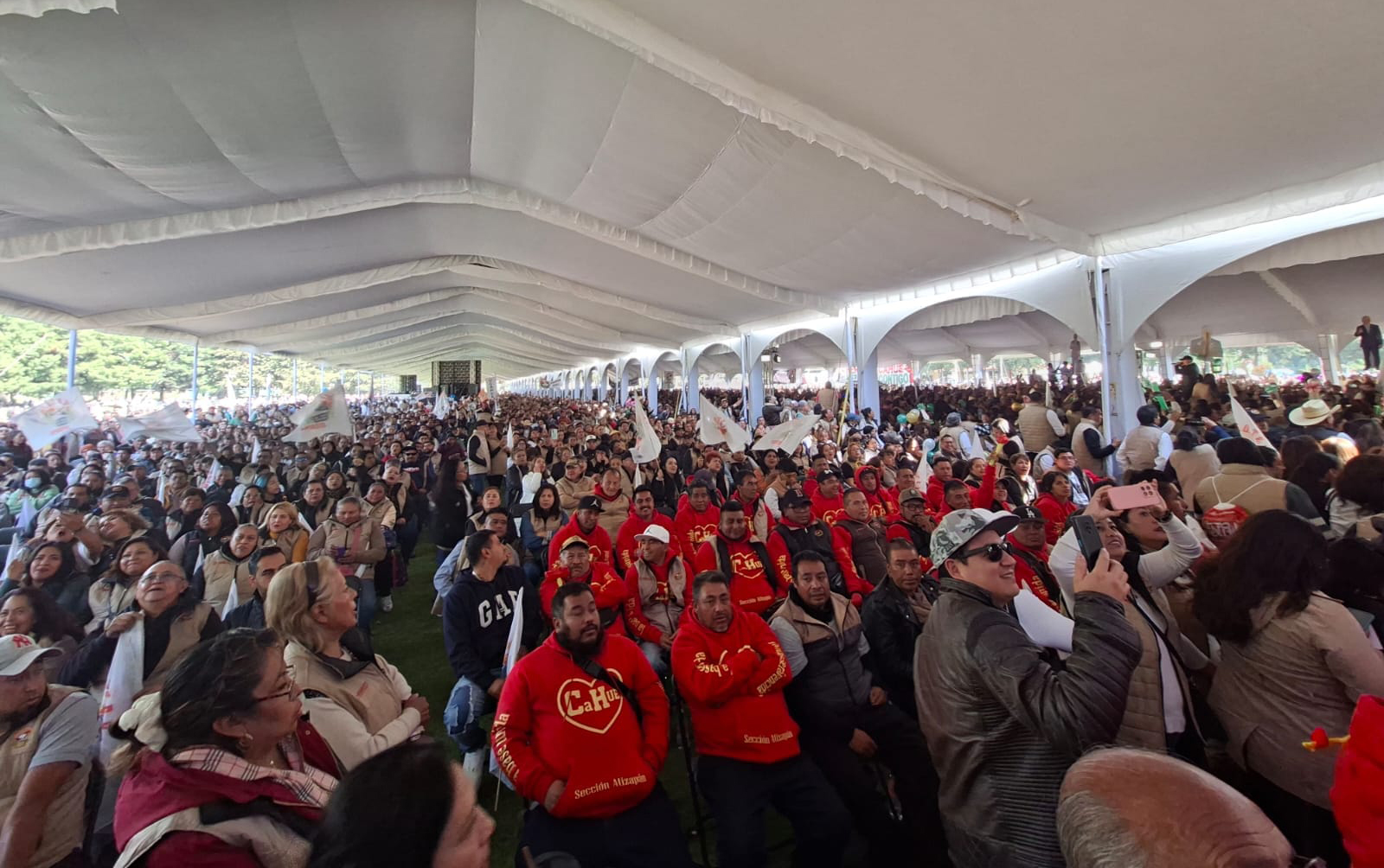
On 27 October, Hamza Öksüz attended the celebrations marking the 88th anniversary of SUTEYM, alongside an event dedicated to public sector workers in Mexico.
The gathering, attended by approximately 20,000 people, highlighted the importance of trade union unity and solidarity.
ILC Strengthens Cooperation with Latin American Trade Unions
On the sidelines of the CLATE Executive Committee meeting, ILC Secretary-General Hamza Öksüz held bilateral meetings with trade union presidents and representatives from several countries.
Discussions addressed the protection of public sector workers’ rights, experiences in trade union organising, changing conditions in the world of work and opportunities to expand international cooperation.
Particular attention was given to strengthening institutional relations between the ILC and trade union organisations across Latin America and the Caribbean, promoting mutual exchanges of experience and exploring opportunities for future joint initiatives.
These engagements marked an important step towards the ILC’s objective of strengthening solidarity among trade union organisations across continents and expanding its international cooperation networks.
The ILC remains committed to deepening its relations with CLATE and other trade union organisations across Latin America and the Caribbean, while advancing international solidarity grounded in workers’ rights, human dignity and social justice.
Our heartfelt thanks to the entire CLATE family for the valuable exchange of experiences and their outstanding hospitality.
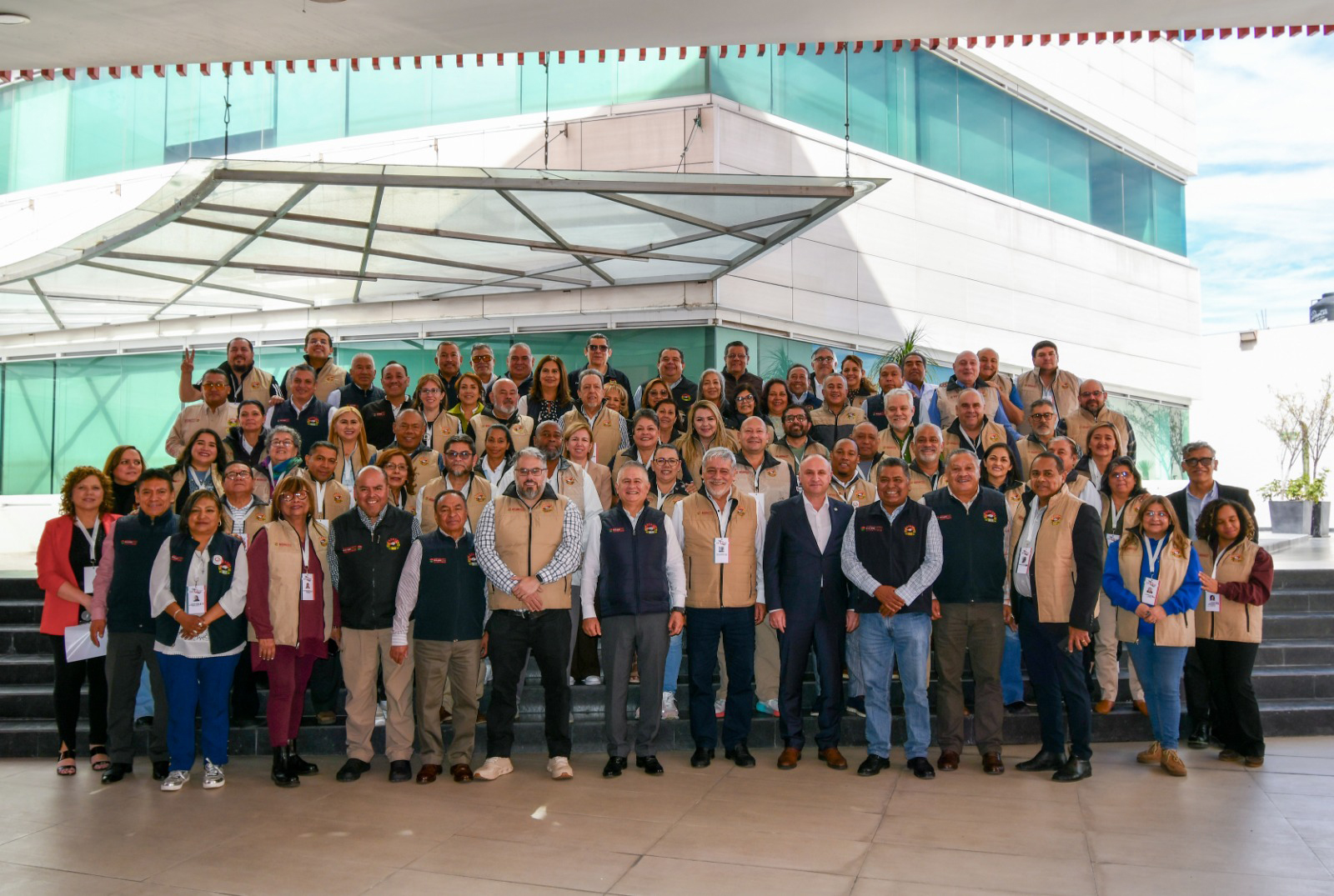
ILC and CLATE Call for Joint Action and International Solidarity
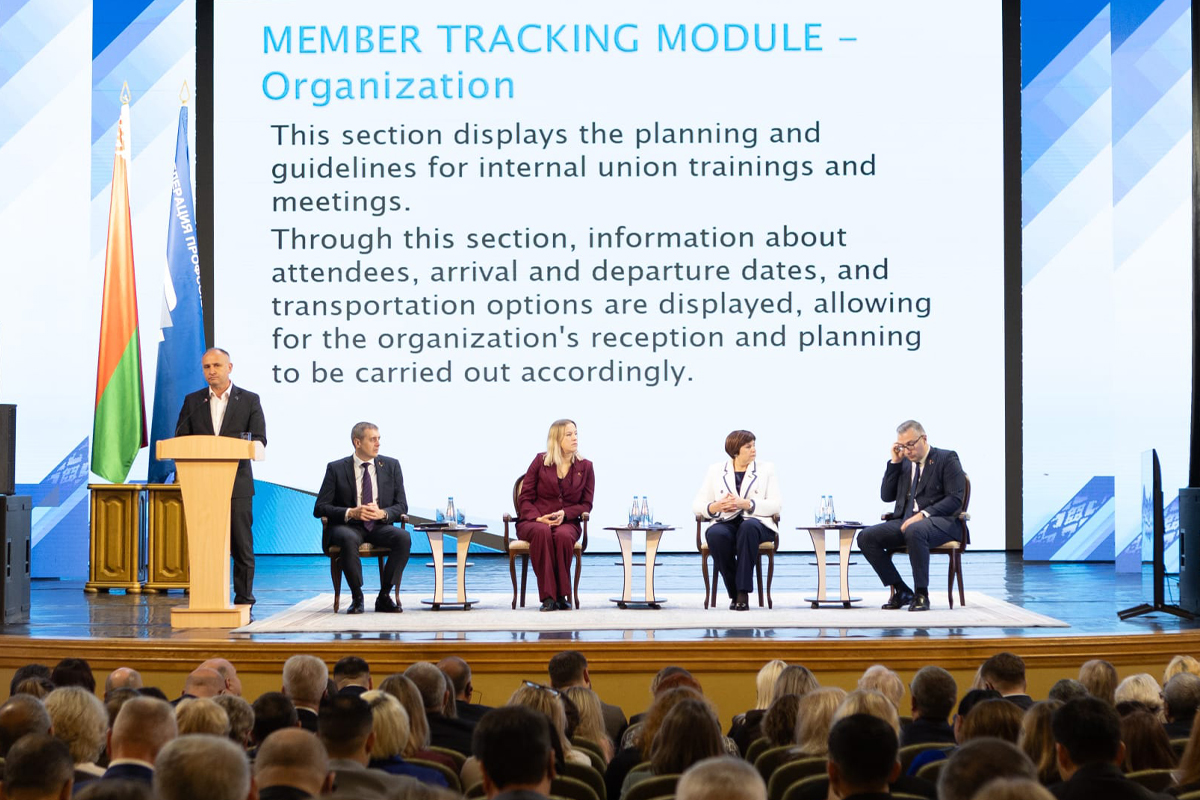
ILC Secretary General Hamza Öksüz Addresses the Future of Labour Amid Technological Transformation in Belarus
WORLD DAY FOR DECENT WORK
Statement on the International Day of Peace
ILC Statement of Solidarity with Nepal Following the Flood Disaster
ILC Statement on International Youth Day Justice for Youth, Solidarity for the Future
Statement on The World Day Against Trafficking in Persons
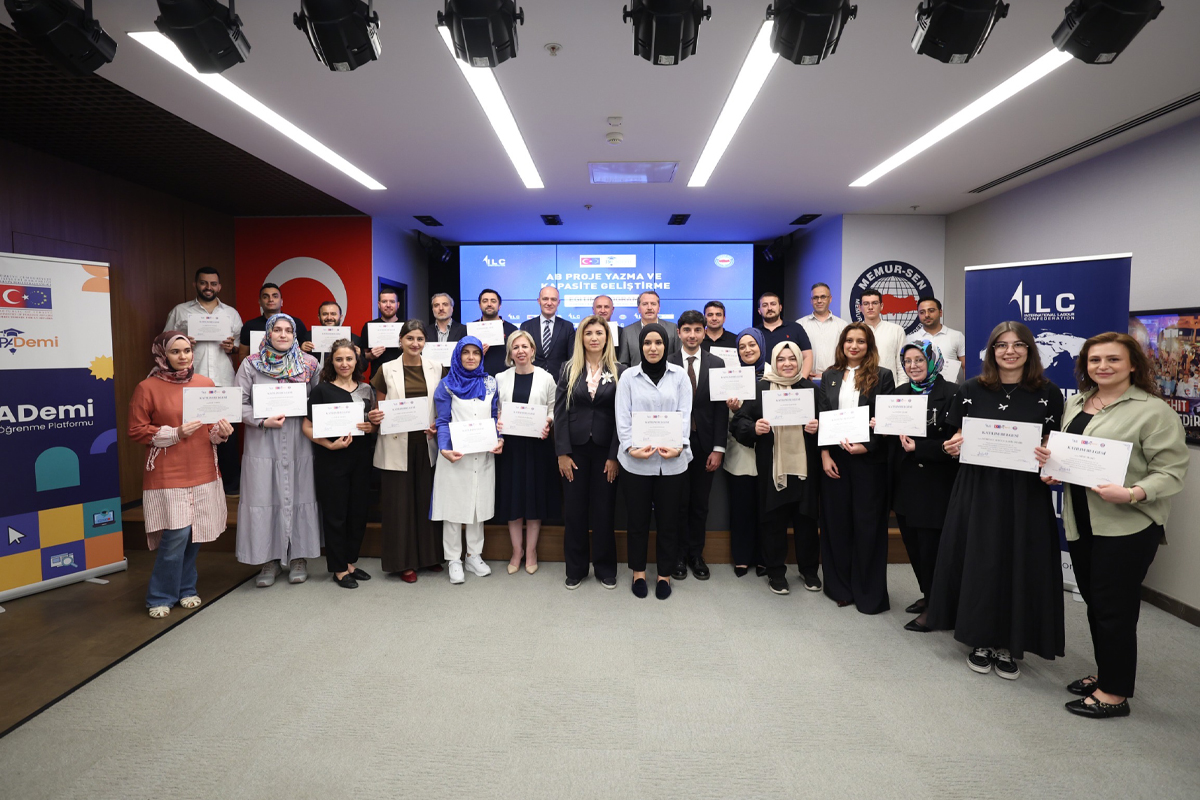
ILC Organises EU Project Writing and Capacity Building Training for Trade Union Staff
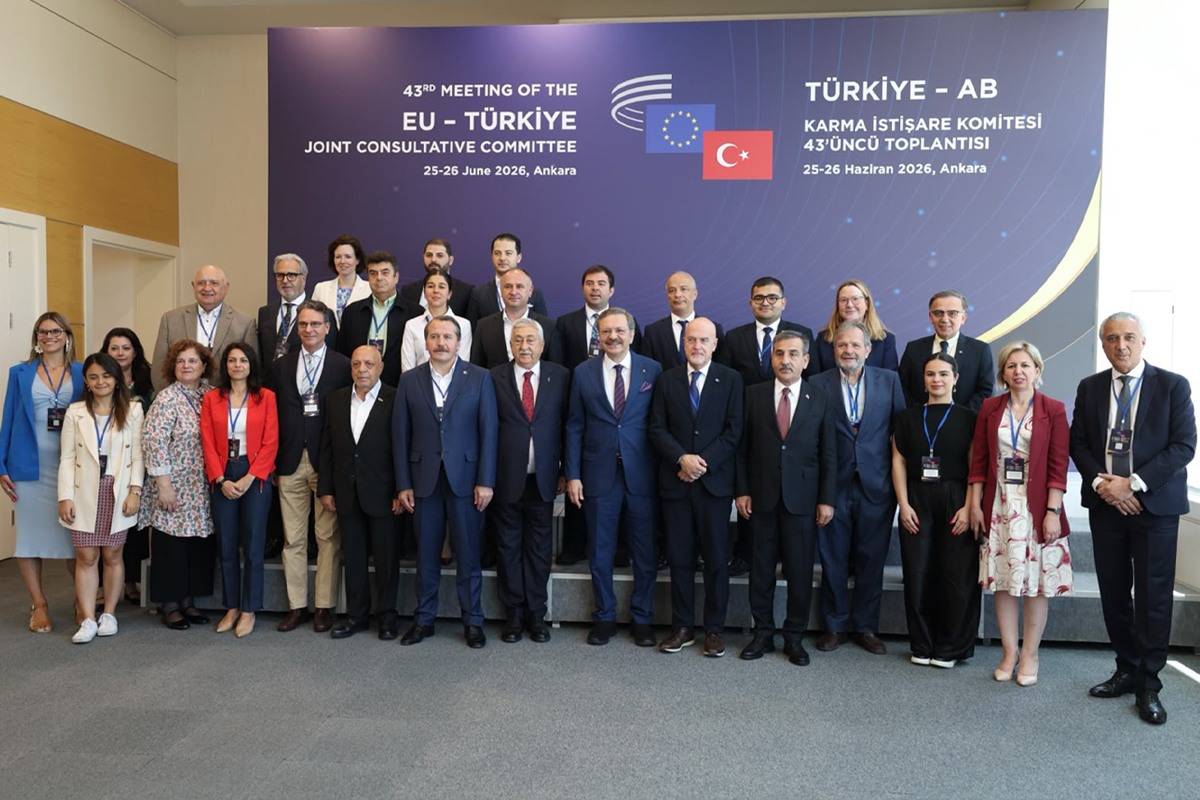
Labour and Human Centred Digital Transformation
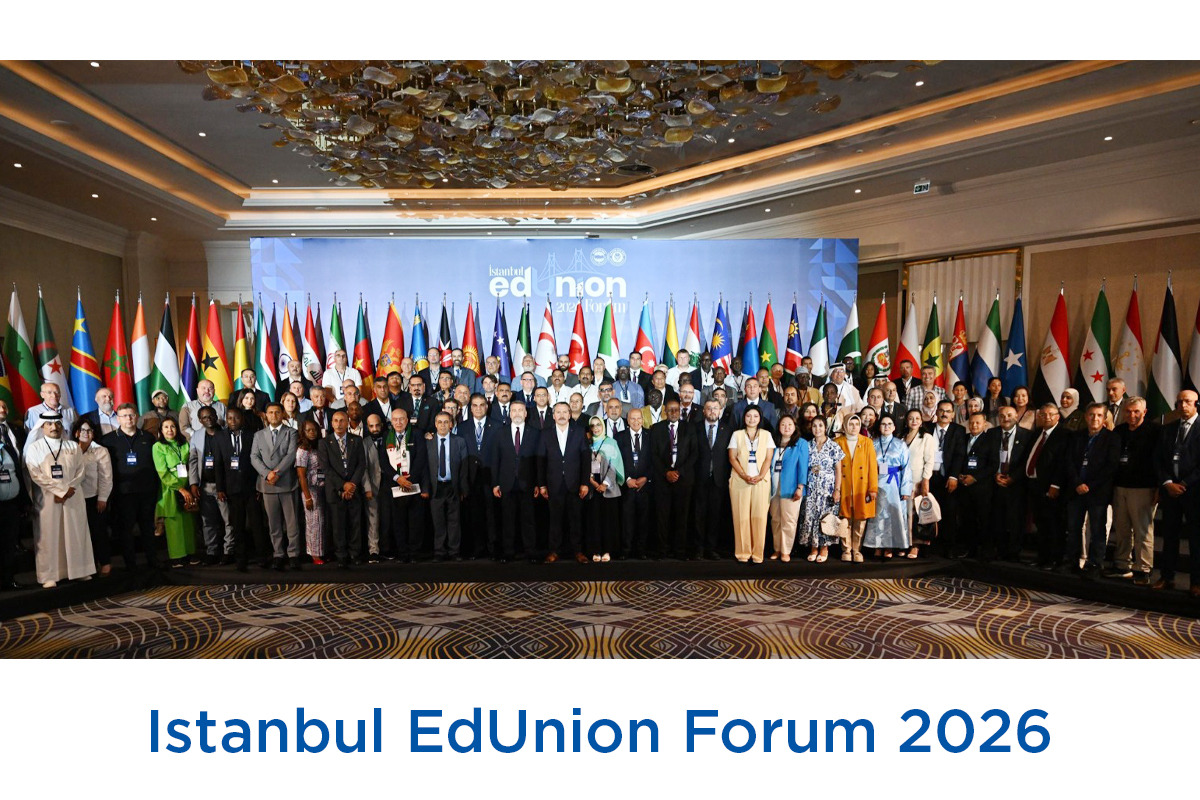
Istanbul EdUnion Forum 2026
The Platform Economy Convention is a Critical Step for Labour Rights
World Day Against Child Labour
Children Are Not Our Workers, They Are Our Future!
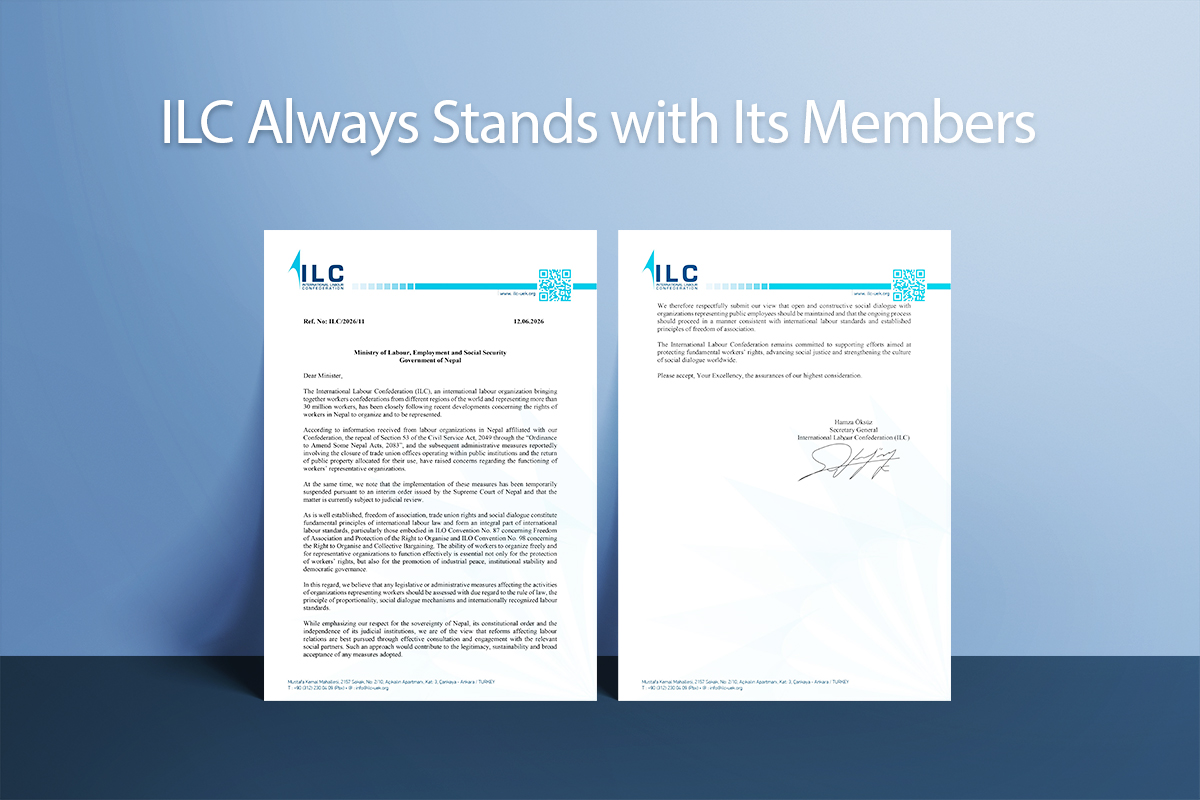
ILC Always Stands with Its Members
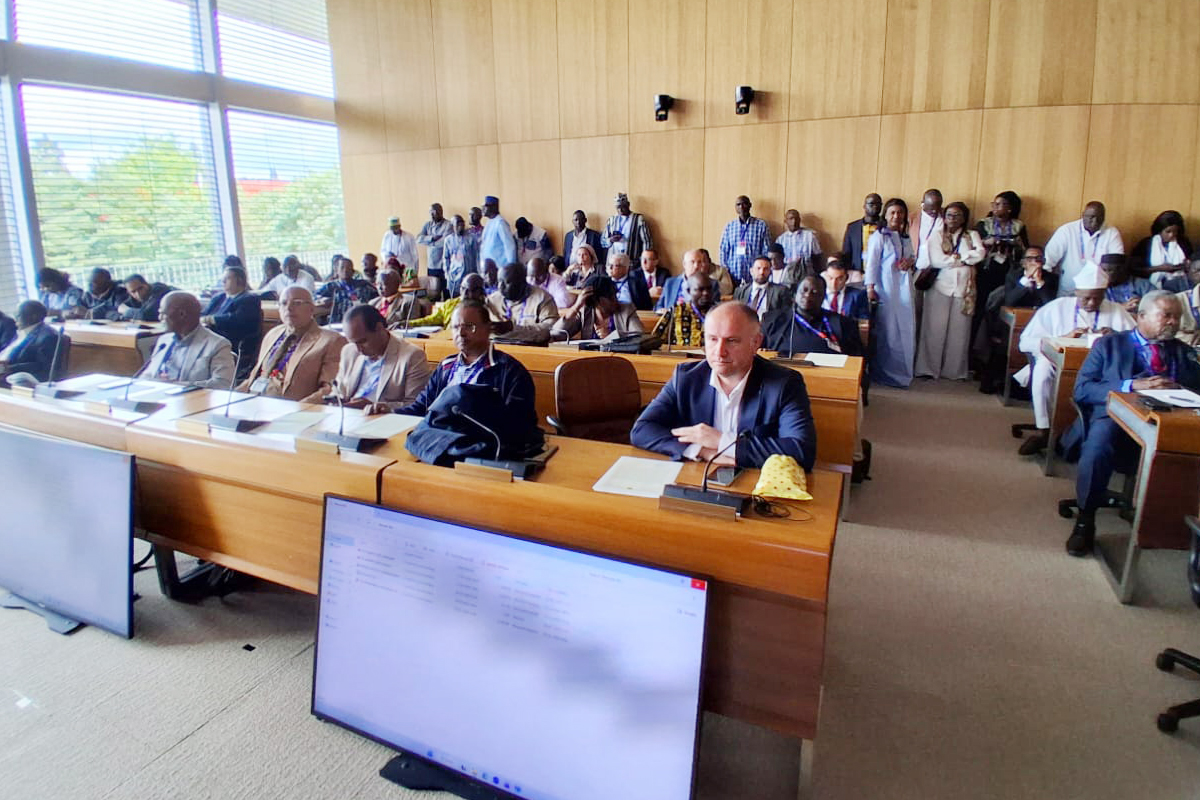
ILC Secretary General Hamza Öksüz Participates in OATUU Meeting