News / Blog
Hamza Öksüz Calls for Trade Unions to Act as Foundational Actors in the Global Transformation of Work at BMS International Conference
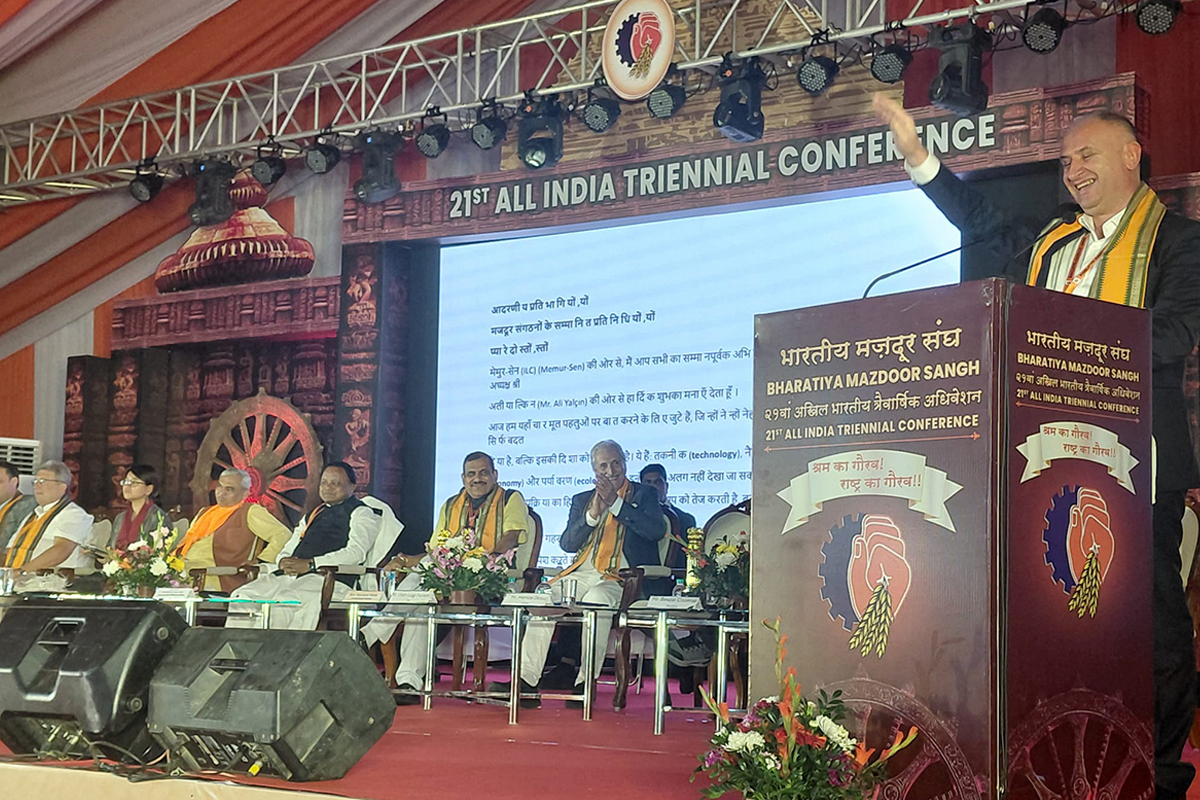
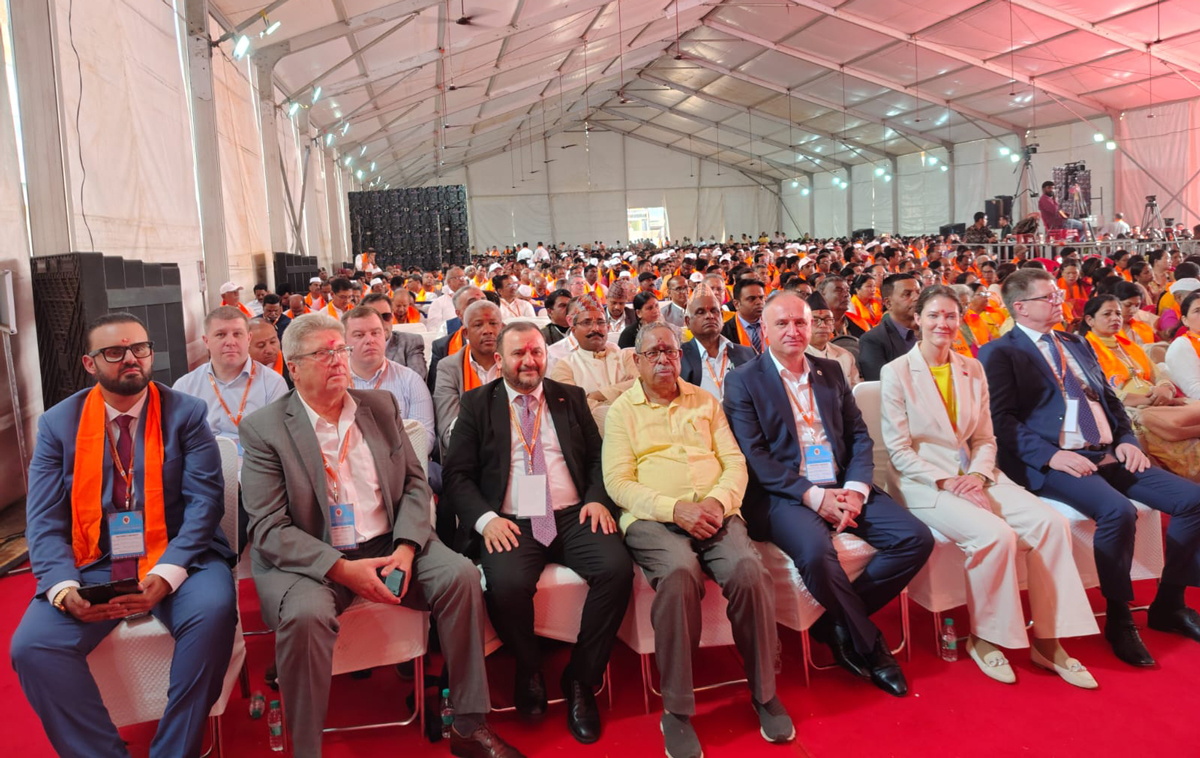
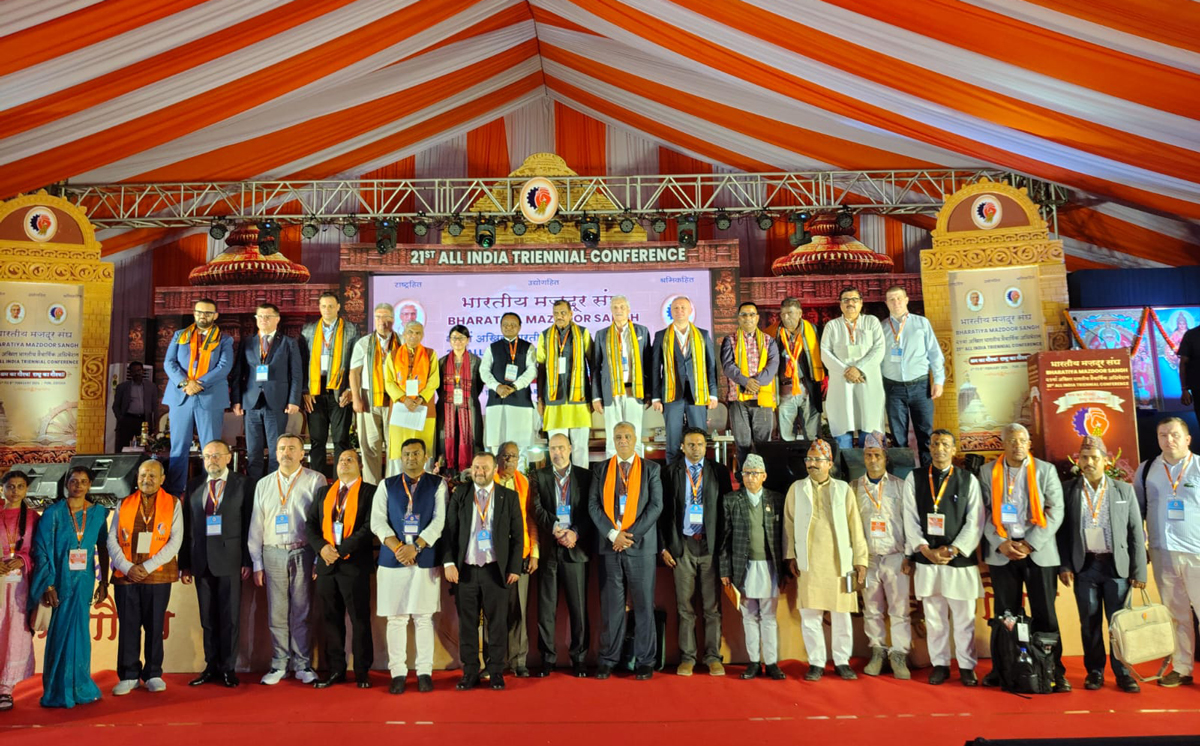
The programme was attended by Yuki Otsuji, Director of the International Labour Organization (ILO) Delhi Office; Dr. Mansukh Mandaviya, Minister of Labour of India; Mohan Charan Majhi, Chief Minister of the State of Odisha; as well as trade union representatives from Italy, Russia, Brazil, Nepal, Mauritius, Belarus, and Egypt.
Bringing together international labour representatives, policymakers and union leaders, the conference served as a key platform for addressing emerging challenges facing workers worldwide, including digitalisation, social justice, climate transition and the future of labour governance.
A Multi-Dimensional Transformation of the World of Work
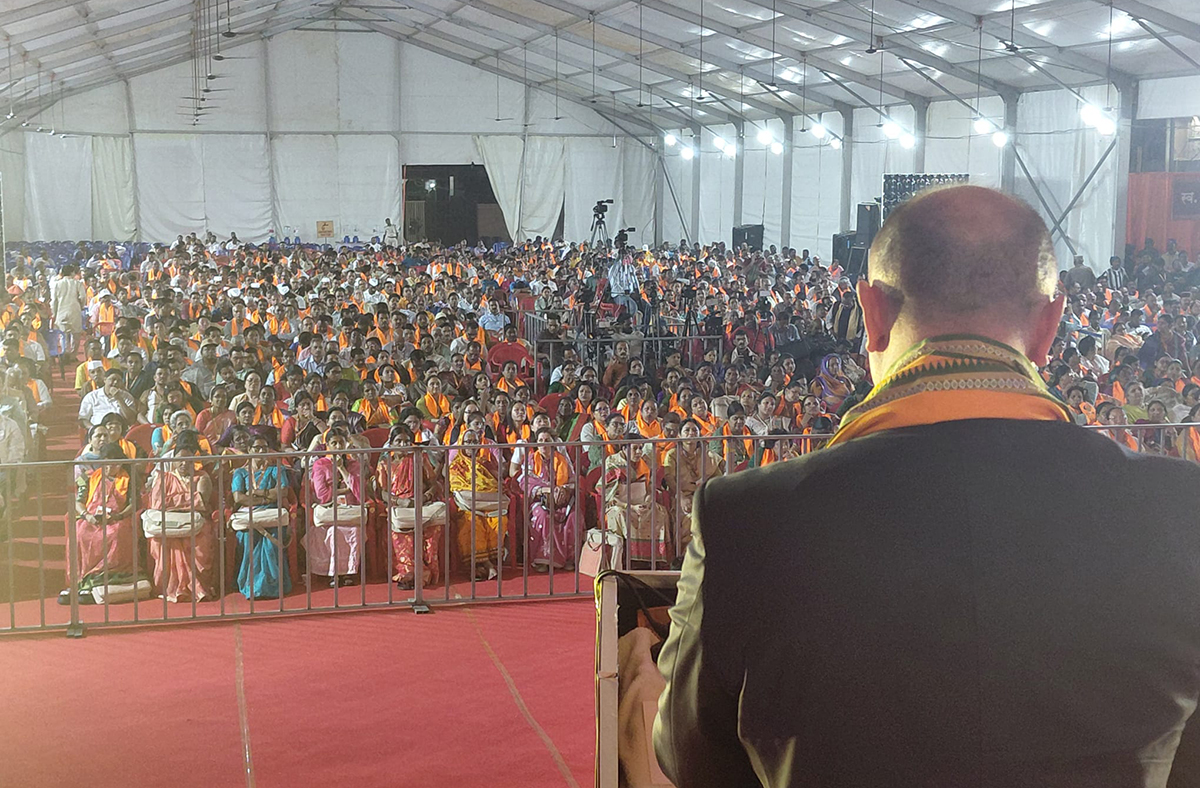
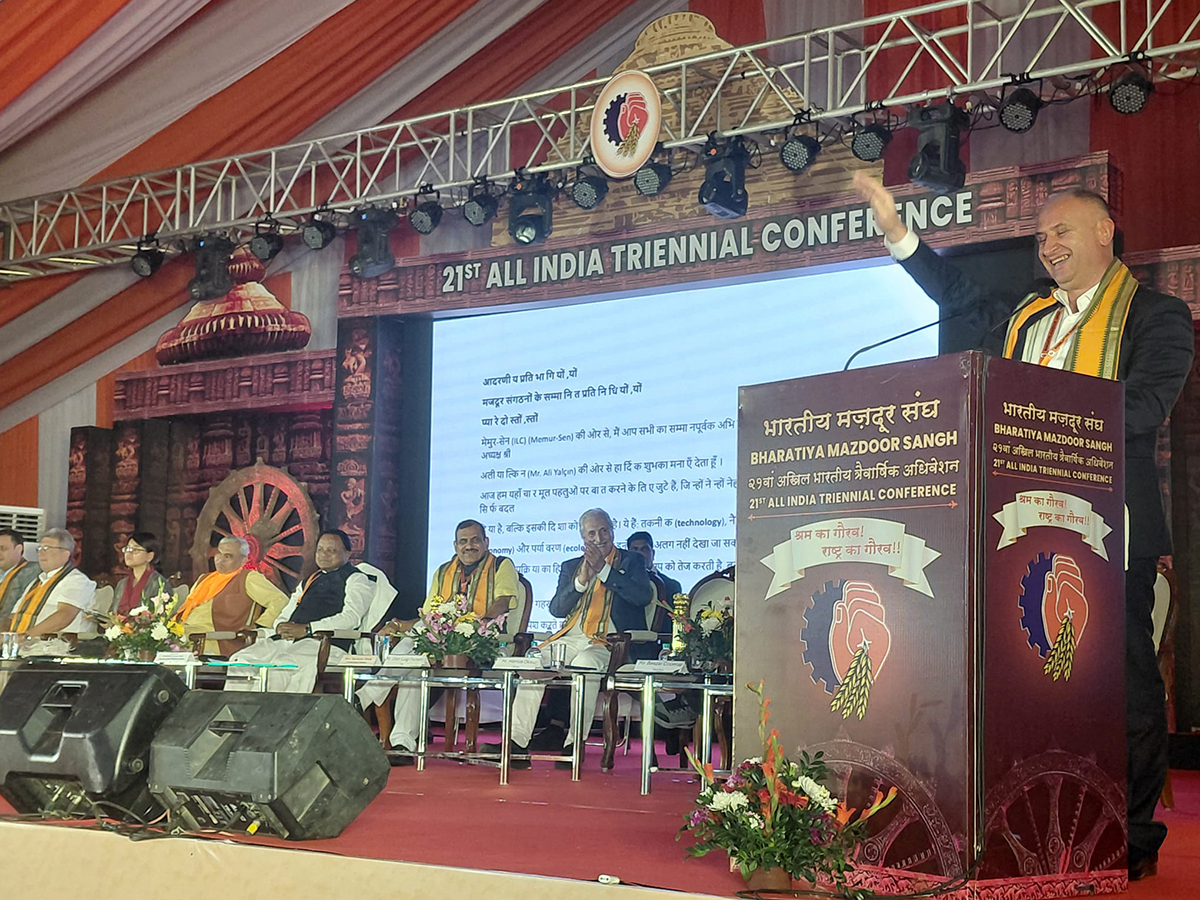
In his keynote intervention titled “Technology, Ethics, Economy and Ecological Transformation: Impacts on the World of Work and the Role of Trade Unions,” Öksüz argued that contemporary labour transformations cannot be understood through isolated debates.
“Technology, ethics, economy and ecology are no longer separate policy domains; they are interconnected forces reshaping the foundations of work and society simultaneously.”
He emphasised that trade unions must reposition themselves as proactive policy actors rather than reactive institutions.
 Technology Is Not Neutral: A Political and Social Question
Addressing digital transformation, Öksüz highlighted the growing influence of artificial intelligence, algorithmic management and platform economies.
While technological change is often framed as inevitable progress, he stressed that its outcomes depend on political and institutional choices.
“Technology is not neutral. How it is deployed, who benefits from it, and who bears its costs are fundamentally political questions.”
He warned that unchecked digitalisation risks intensifying precarious work, algorithmic surveillance and the erosion of labour protections, underscoring the necessity of union engagement in shaping digital governance.
Ethical Governance and Human-Centred Digitalisation
Öksüz further addressed ethical challenges emerging in the digital era, including data governance, algorithmic transparency and worker dignity.
“Human beings must never be treated as a cost factor within systems — workers must remain the central subjects of transformation.”
He reiterated the importance of embedding transparency, accountability and worker participation into digital transition strategies.
 Economic Transformation and the Crisis of Social Protection
Reflecting on global economic restructuring, Öksüz noted that economic growth has increasingly decoupled from social security and equitable distribution.
Rising inequality, precarious employment and weakening social protection systems were identified as major structural challenges.
“Without strong trade unions, a sustainable and socially just economy is not possible.”
He stressed the need for renewed collective bargaining frameworks and labour-centred economic policies.
Climate Crisis and the Imperative of a Just Transition
Highlighting the ecological dimension of labour transformation, Öksüz emphasised that climate change is no longer a future threat but a present reality reshaping workplaces and livelihoods.
Extreme weather conditions, environmental disruptions and structural sectoral changes require coordinated responses grounded in the principle of a “just transition.”
“Green transformation must not produce new inequalities. It must create secure employment, inclusive opportunities and social justice.”
International Trade Union Solidarity as a Historical Necessity
In concluding remarks, Öksüz addressed the broader geopolitical context, noting increasing challenges to the rule of law, multilateralism and equitable global governance.
 He argued that international trade union solidarity is no longer optional but essential for defending workers’ rights globally.
“The task of the labour movement today is not only to defend rights but to shape the future — protecting justice, dignity and the value of labour at the global level.”
Conference Outcomes and Joint Priorities
The BMS 21st Ordinary Triennial Conference emphasised several shared priorities among international participants:
• Strengthening social dialogue mechanisms in the face of digital transformation
• Advancing labour-centred approaches to climate transition
• Expanding international trade union cooperation
• Reinforcing social protection frameworks
• Addressing global inequalities through collective action
The conference concluded with renewed calls for enhanced cooperation among global labour organisations to ensure inclusive, sustainable and worker-centred development pathways.
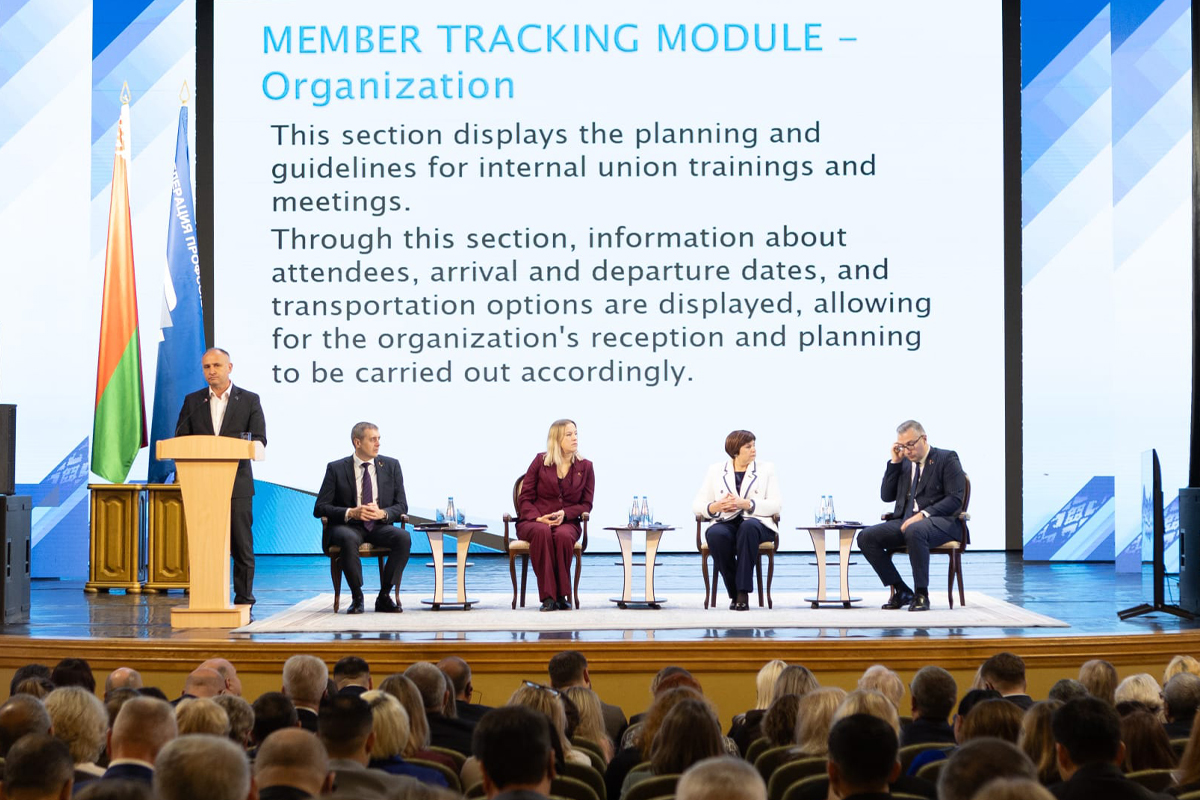
ILC Secretary General Hamza Öksüz Addresses the Future of Labour Amid Technological Transformation in Belarus
WORLD DAY FOR DECENT WORK
Statement on the International Day of Peace
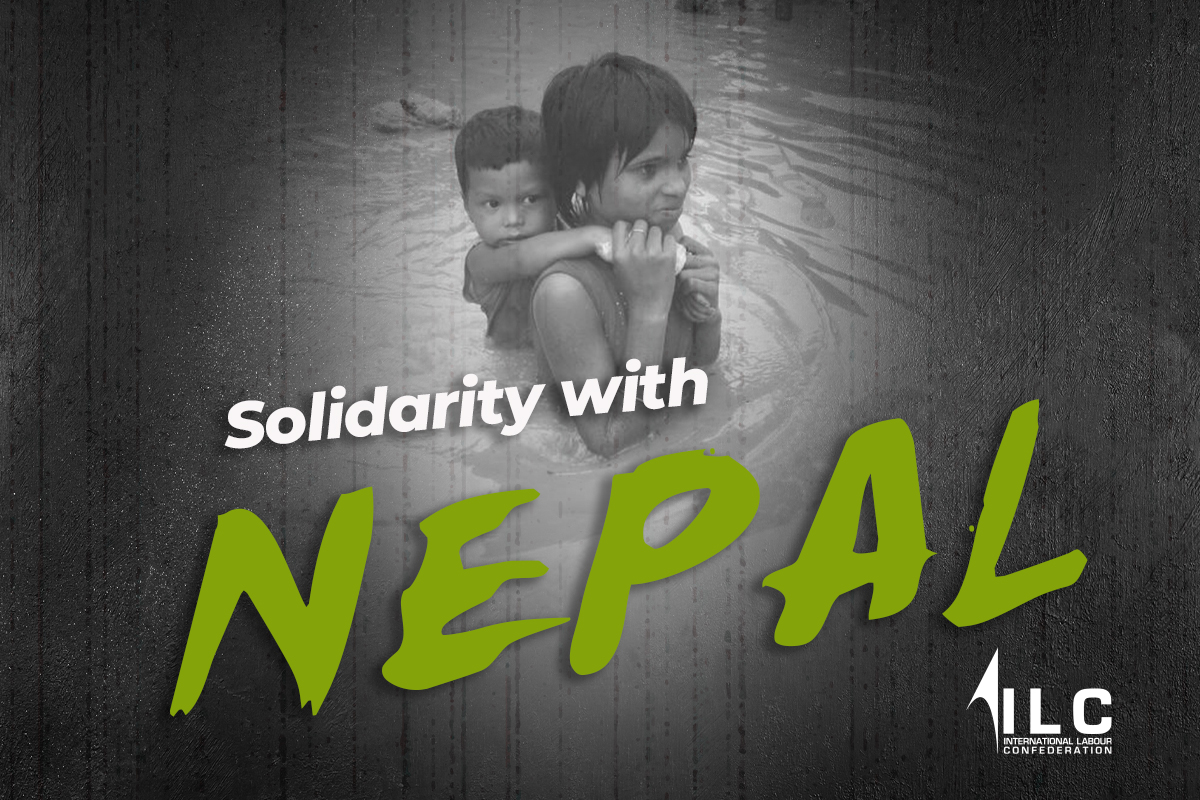
ILC Statement of Solidarity with Nepal Following the Flood Disaster
ILC Statement on International Youth Day Justice for Youth, Solidarity for the Future

Statement on The World Day Against Trafficking in Persons
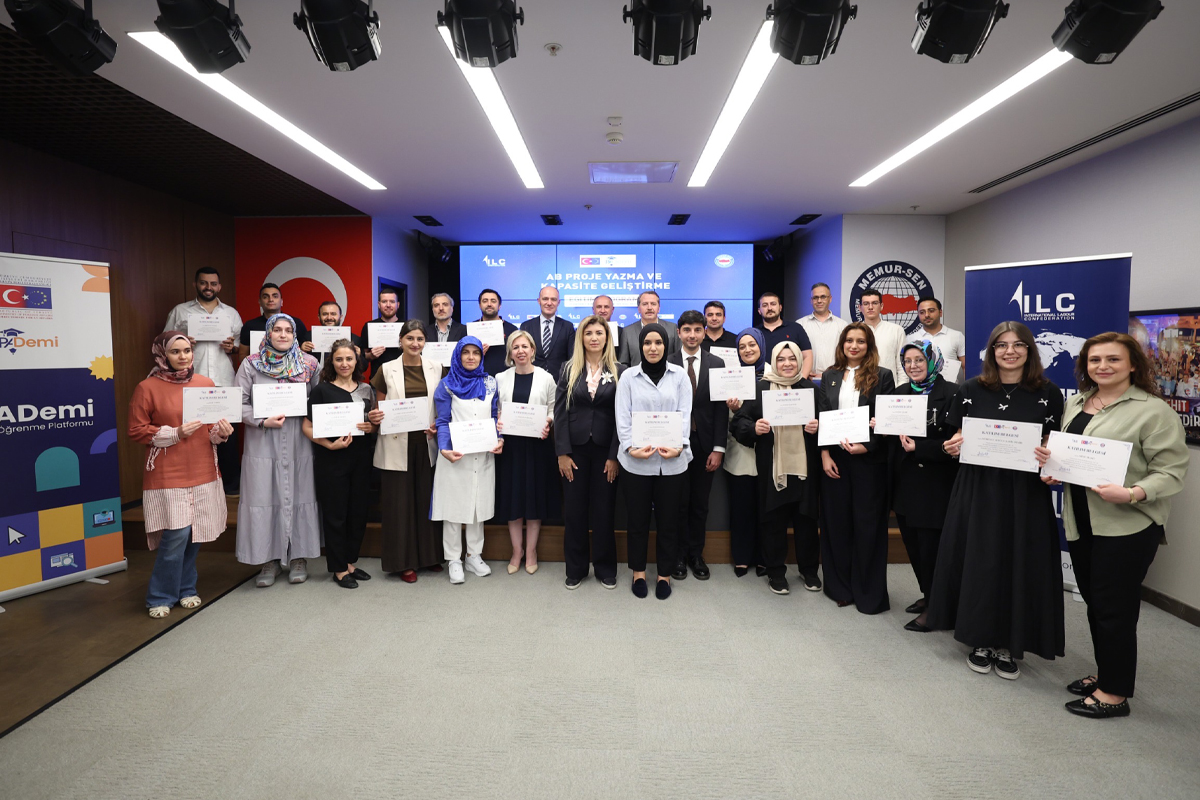
ILC Organises EU Project Writing and Capacity Building Training for Trade Union Staff
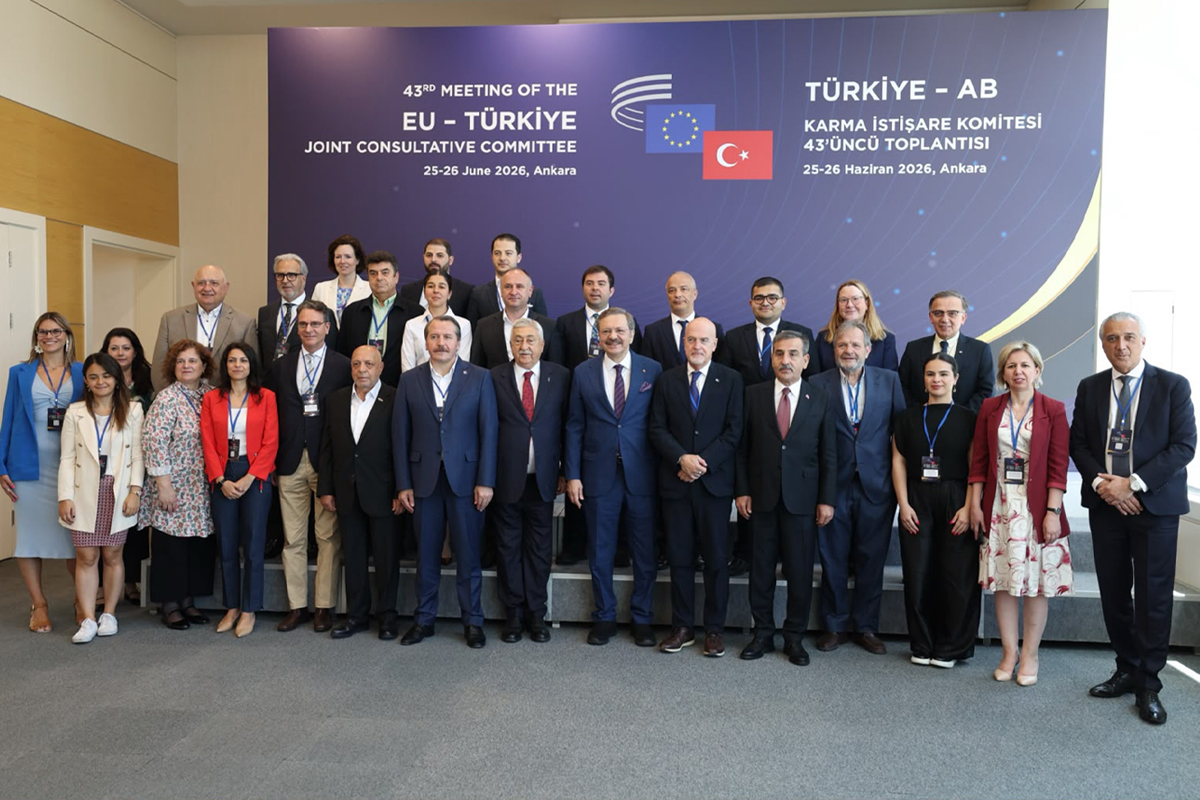
Labour and Human Centred Digital Transformation
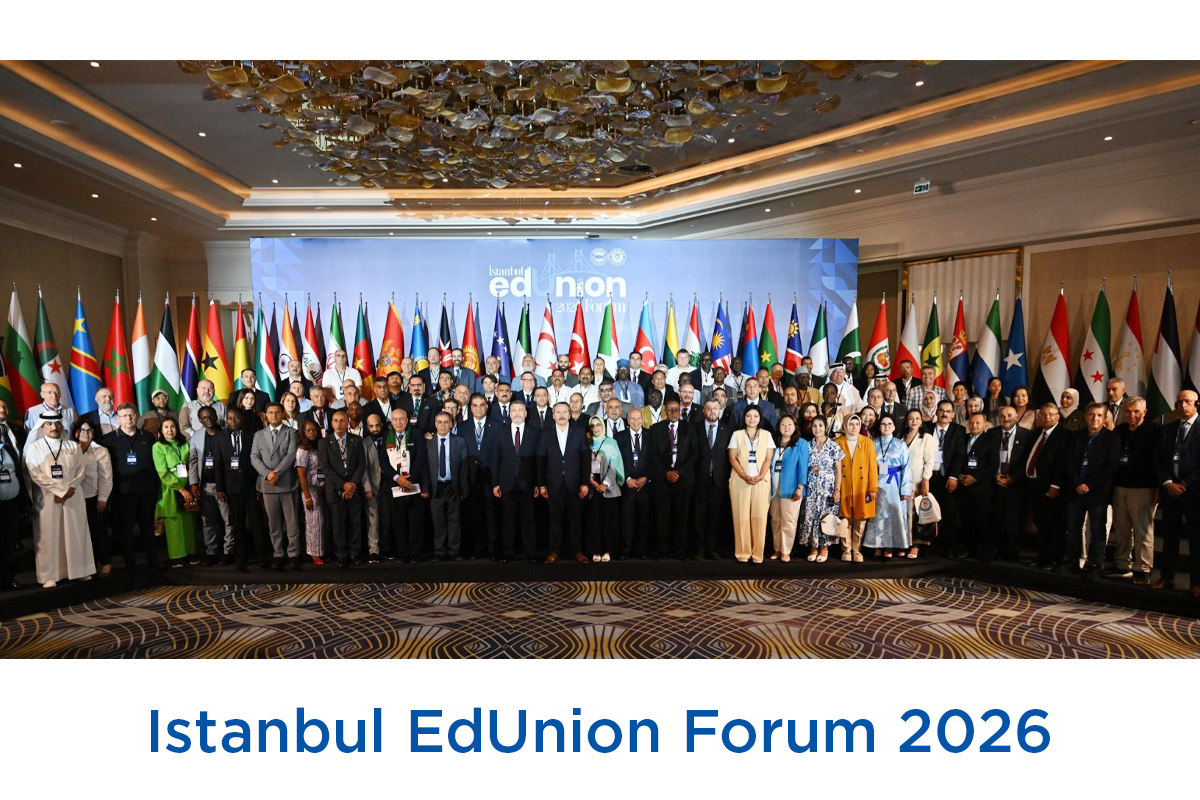
Istanbul EdUnion Forum 2026
The Platform Economy Convention is a Critical Step for Labour Rights
World Day Against Child Labour
Children Are Not Our Workers, They Are Our Future!
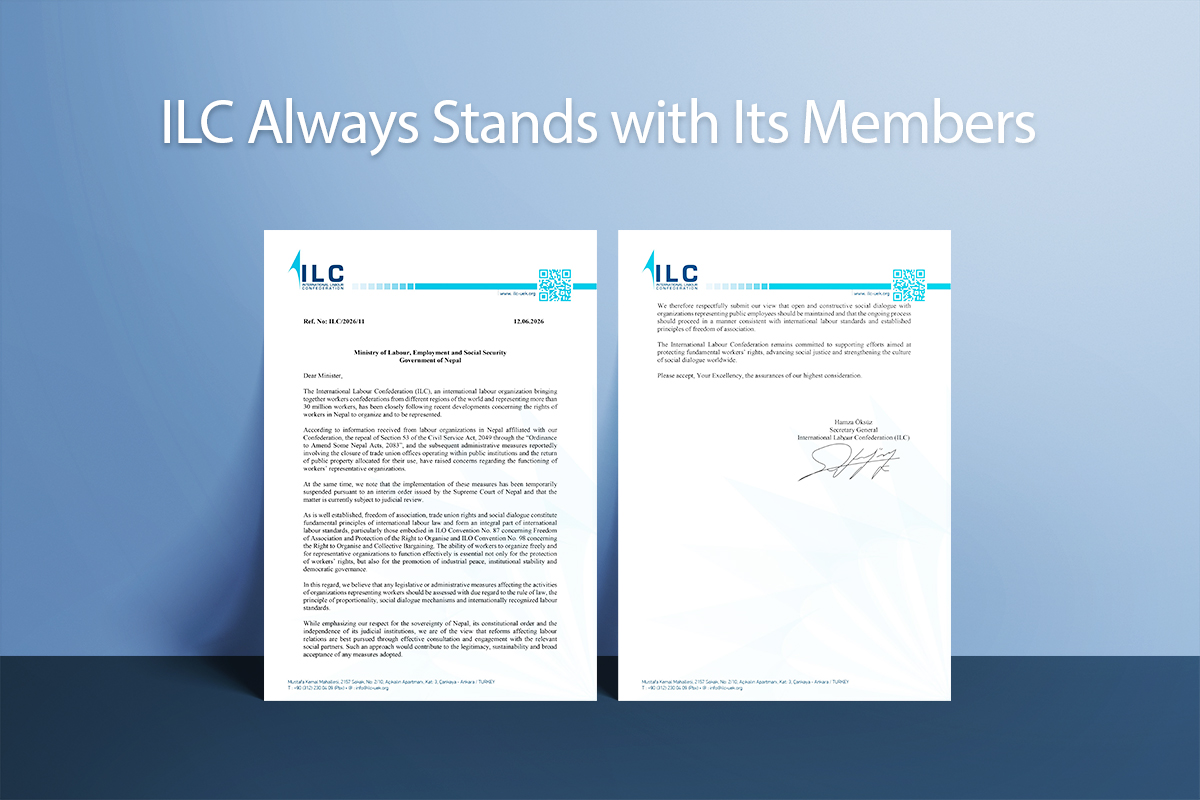
ILC Always Stands with Its Members
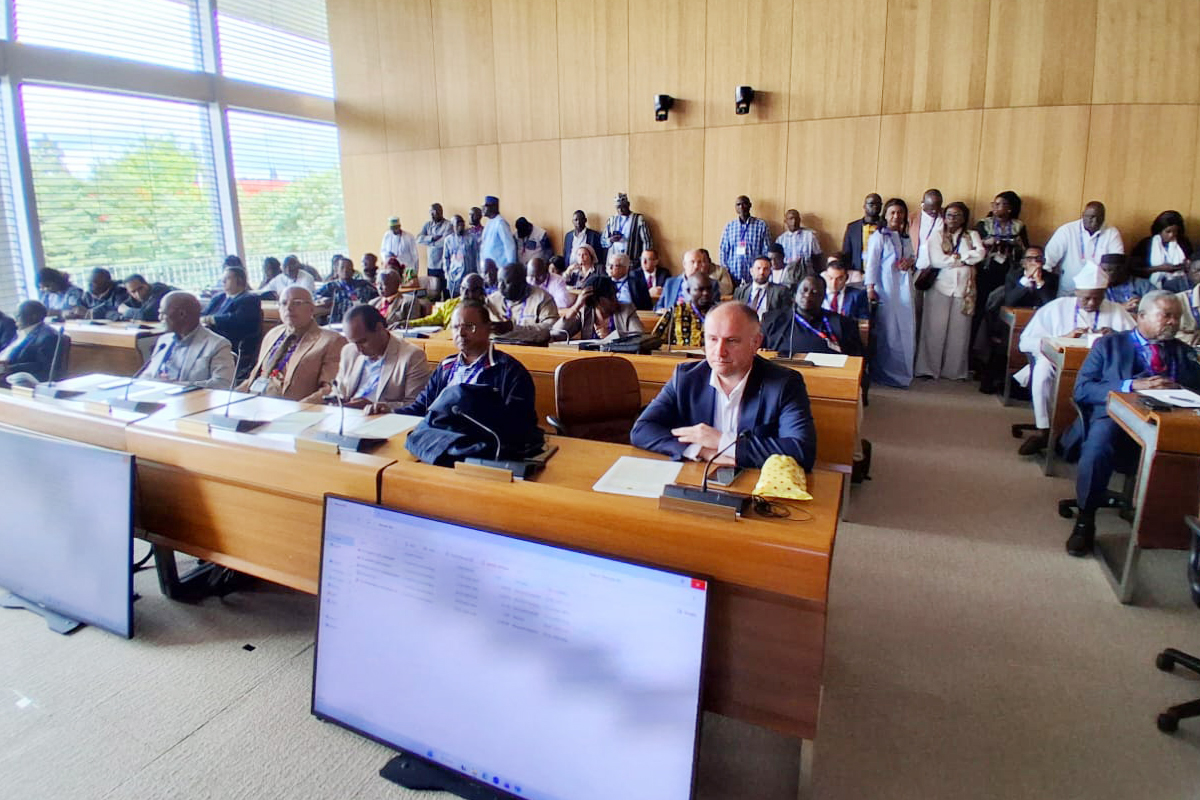
ILC Secretary General Hamza Öksüz Participates in OATUU Meeting
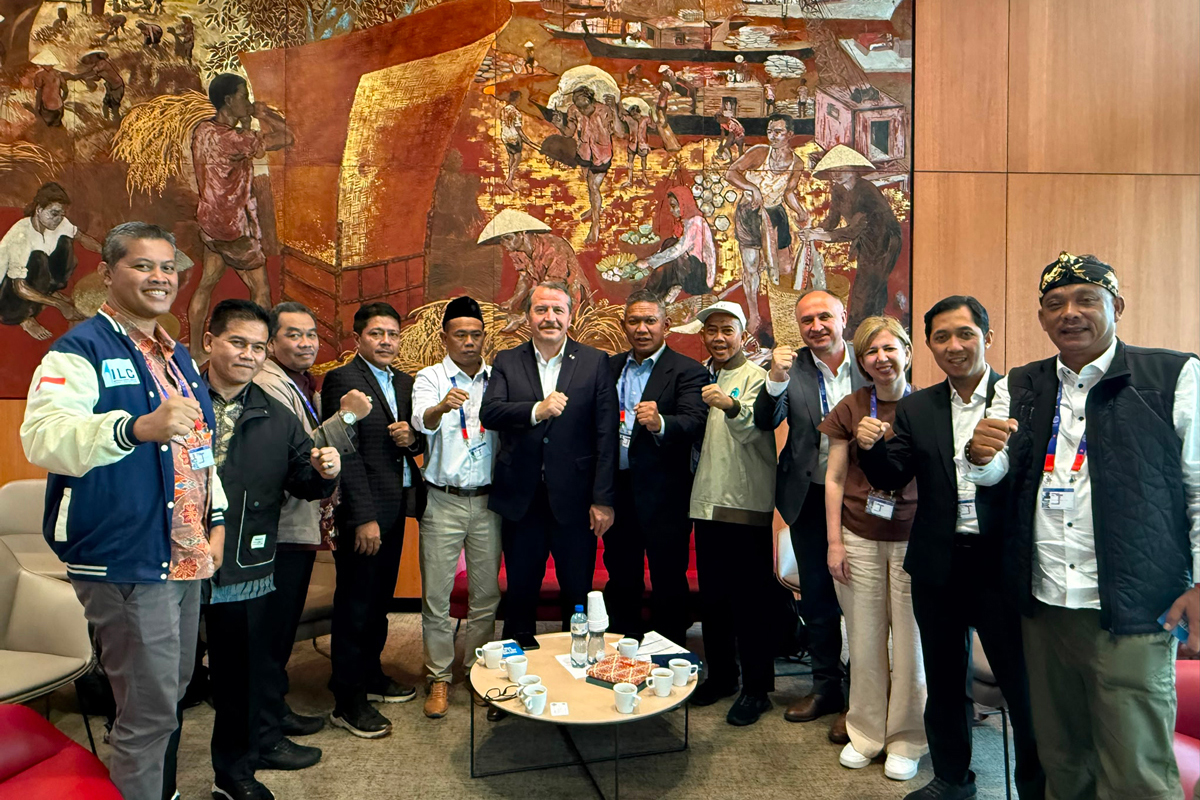
Bilateral Meetings Held on the Margins of the 114th International Labour Conference