News / Blog
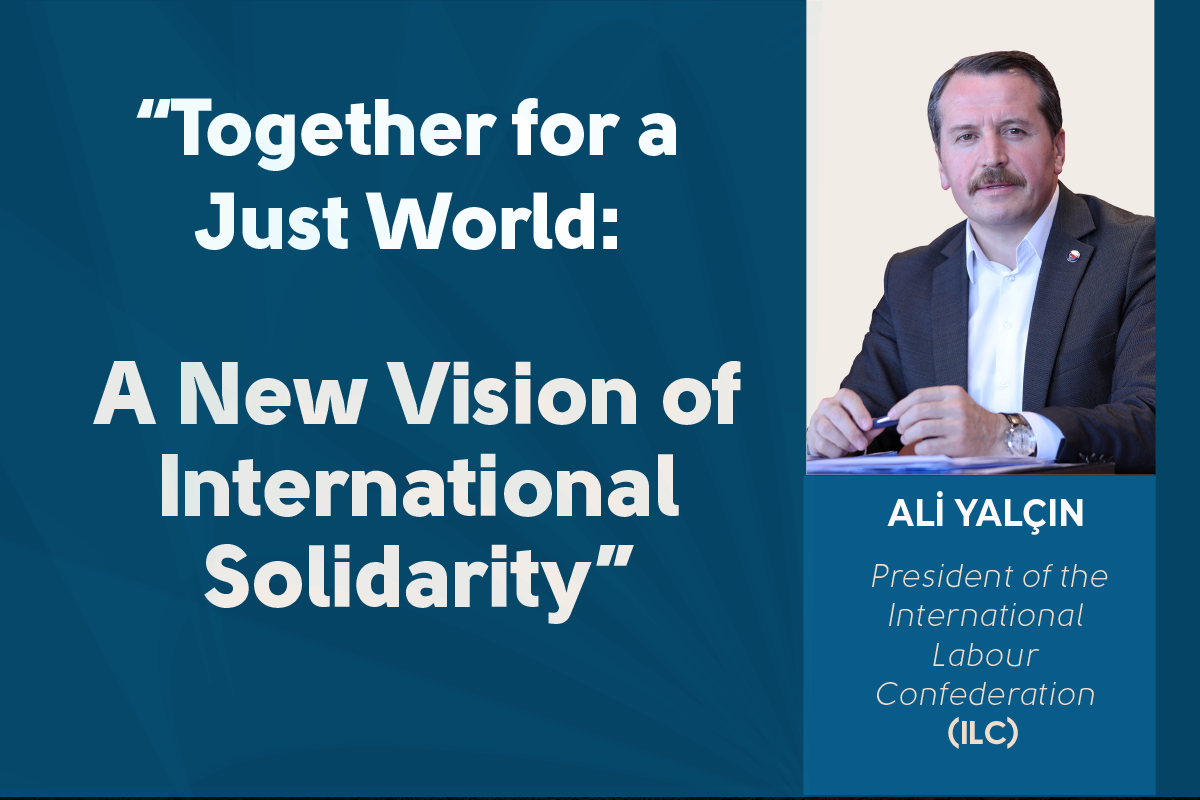
Yalçın: Together for a Just World: A New Vision of International Solidarity
“The global order is undergoing a profound transformation driven by economic instability, geopolitical tensions, technological change, and ecological crisis. Four decades of neoliberal restructuring have produced a structural crisis of labour, marked by deepening inequality, the erosion of collective rights, and the fragmentation of class-based solidarity. Authoritarian neoliberal governance has narrowed democratic space while expanding the global mobility of capital, intensifying precarity and exploitation, particularly in peripheral economies.
In this context, existing international institutions increasingly struggle to address the structural roots of inequality. The emergence of the International Labour Confederation (ILC) within this conjuncture, represents an effort to reconstruct transnational labour solidarity through a systemic critique of global capitalism. The ILC advances an alternative vision centred on social justice, democratic participation, and a human-centred global order.”
The world is undergoing a transformation of historically rare scale, speed, and multidimensionality. Economic instability, geopolitical tensions, technological revolutions, and ecological rupture are not merely unfolding simultaneously; they are mutually reinforcing dynamics that are reshaping the global order. This layered transformation is exposing a profound structural crisis, particularly in labour regimes. The social and economic devastation accumulated by neoliberal policies over the past four decades is now converging with emerging forms of neo-imperialist competition, fundamentally altering both labour’s position in production processes and its social standing.
Since the late 1970s, neoliberal restructuring has been institutionalized globally as a systematic project targeting wage labour, the welfare state, and collective rights. Policies of privatization, deregulation, flexibilization, and de-unionization have eroded the historically constructed protective framework of labour relations and established a new regime of accumulation in favour of capital. The most visible outcome of this process has been the deepening of inequality on a global scale. The concentration of a significant share of global wealth in the hands of the top strata of the population demonstrates that the neoliberal order operates not as a contingent outcome, but as a structural mechanism of redistribution. The systematic upward transfer of wealth has become a constitutive feature of this regime.
This transformation is not confined to deteriorating economic indicators. Through strategies of individualization and market-centred discourse, neoliberalism has also reconfigured the ideological foundations of social relations. Social success is no longer defined through collective rights and solidarity, but through individual performance and competitive capacity; the citizen as a bearer of rights has been recast as a consumer of services. Structural inequalities have been reframed as the outcome of individual choices rather than as products of political and economic relations, while the notion of the public good has been devalued under the dominance of market rationality. This ideological framing has institutionalized a mode of governance that codes social policy as a “burden” and solidarity as a “cost.”
One of the most effective instruments of this transformation has been the displacement of class-based collective struggle by identity politics. While identity-based claims are historically legitimate and necessary fields of social struggle, under neoliberal hegemony they have been rearticulated within a fragmented political culture that marginalizes class solidarity. Workers’ shared structural problems -low wages, precarity, harsh working conditions, and the erosion of social protection -have been rendered invisible in the shadow of identity-based polarizations. Anti-immigrant sentiment, ethnic and cultural tensions, and nationalist discourses have placed segments of the working class in competition with one another, producing divisions that benefit capital and reproducing the logic of “divide and rule” at the societal level.
The most immediate consequence of this fragmentation has been the weakening of the labour movement. In many countries, trade unions have been divided, marginalized, or politically constrained. This decline cannot be explained solely by internal organizational challenges. Strike bans, the narrowing of collective bargaining spaces, the expansion of subcontracting, the institutionalization of precarious forms of employment, and regulations that restrict the political influence of labour organizations are all part of a broader structural orientation that systematically limits labour’s collective capacity. The authoritarian neoliberalism observable in many countries today narrows the political sphere while expanding capital’s freedom of movement at both national and global levels.
This economic and political transformation is further intensified by ecological and humanitarian crises. The climate crisis, as a structural outcome of unchecked capital accumulation, accelerates environmental destruction, while the costs of this devastation are borne disproportionately by the poor and by workers. Wars, food crises, water scarcity, and environmental disasters displace millions, while the resulting pool of migrant labour constitutes the most vulnerable and most intensively exploited segment of global labour markets.
The United States, Western Europe, Japan, and their allies shape the global economic rules through institutions such as the IMF, the World Bank, and the World Trade Organization, rendering peripheral countries dependent on low value-added production and cycles of cheap labour through debt regimes, structural adjustment programmes, and technological monopolies. While the prosperity of core countries rests on an asymmetric network of relations based on the continuous transfer of value from the periphery, the discourse of “development” functions as an ideological framework that obscures these relations of dependency.
At a time when global inequalities are deepening and pressure on labour is intensifying, the capacity of international institutions to transform this reality is increasingly being questioned. From the United Nations to the International Labour Organization (ILO) and international labour confederations, many institutions possess an important normative legacy; yet within existing power relations they often struggle to generate structural change. These limitations are not primarily the result of institutional intent, but rather of structural pressures such as the growing global power of capital, the fragmentation of labour, and the contraction of democratic space. It is precisely here that the fundamental dilemma confronting international labour organizations becomes visible. When labour organizations operate under the control or influence of capital, speaking of “equality” without challenging the structural inequalities produced by the capitalist world order, or of “justice” without confronting global relations of exploitation, becomes increasingly unconvincing.
In this context, labour is positioned both as the bearer of crisis and as the central subject of a possible social transformation. The challenge for labour today is no longer merely the deterioration of working conditions; it lies in the systematic erosion of labour’s social value, political representational capacity, and collective organizational power. What is therefore required is not the partial reform of the existing order, but the construction of a new world order grounded in rights and centred on structural justice.
A New International Labour Paradigm and the Foundational Role of the ILC
The impasse confronting the global labour movement cannot be explained solely in terms of organizational capacity or representation; it points to a deeper historical necessity. The International Labour Confederation (ILC) has emerged precisely in this context. The establishment of the ILC is not merely a new organizational initiative, but the product of a search to provide strategic direction to the global labour struggle. Its aim is to bring together fragmented labour forces on a common terrain of struggle.
Historical experience demonstrates that the working class weakens in the face of capital when it is divided. By contrast, capital has achieved a high degree of integration through multinational corporations and global financial networks. The ILC seeks to overcome this asymmetry by reconstituting global labour solidarity against the global mobility of capital. This solidarity is grounded in class-based unity that transcends geographical boundaries, sectoral divisions, and identity differences.
One of the defining features that distinguishes the ILC from other structures is its articulation of global solidarity together with an explicit critique of the system. The ILC does not treat labour-rights violations, precarity, low wages, or the commodification of the public sphere as isolated policy choices, but as structural outcomes of the capitalist accumulation model and imperialism. Accordingly, its struggle is directed not merely at visible consequences, but at the mechanisms that produce them.
In other words, the ILC’s objective is not limited to criticizing the existing order. It seeks to develop an alternative vision that demonstrates the possibility of a human-centred, egalitarian, exploitation-free, and ecologically sustainable social model. This horizon is grounded in an economic vision that prioritizes human needs and social welfare; the decommodification of public services; democratic control over production processes; just redistribution; and a fair ecological transition.
At the same time, the ILC embraces an organizational model based on participatory democracy, grassroots organizing, pluralism, and horizontal decision-making. This approach aims to strengthen the labour movement’s connection with its base, democratize decision-making, and enhance social legitimacy.
In conclusion, the ILC’s approach is not to exclude existing institutions or to divide the world of labour, but to strengthen the global labour movement through a more inclusive, more independent, more justice-centred, and more solidarity-based strategy that recognizes the historical legacy of international labour organizations. This perspective seeks both to foster constructive engagement at the international level and to rebuild workers’ collective power. In the current historical conjuncture, practices that undermine the legitimacy of other labour organizations through negative campaigning, obstruction, or the intensification of competition serve only to deepen fragmentation and weaken the labour movement as a whole. What is required instead is the construction of a common line of struggle grounded in cooperation and solidarity among labour organizations of different traditions and organizational forms in the face of shared threats. It is with this objective that the ILC was founded: to provide a fragmented and weakened global labour movement with a new unity, a new orientation, and a shared strategic direction rooted in a common vision. By bringing labour organizations from different regions together within this framework, the ILC aims to build labour’s counter-hegemonic capacity against the global domination of capital. In this sense, the ILC is not merely an organization; it is a collective vision for the future of labour, a transformative subject rooted in international solidarity, and an expression of a shared will for a more just world order.
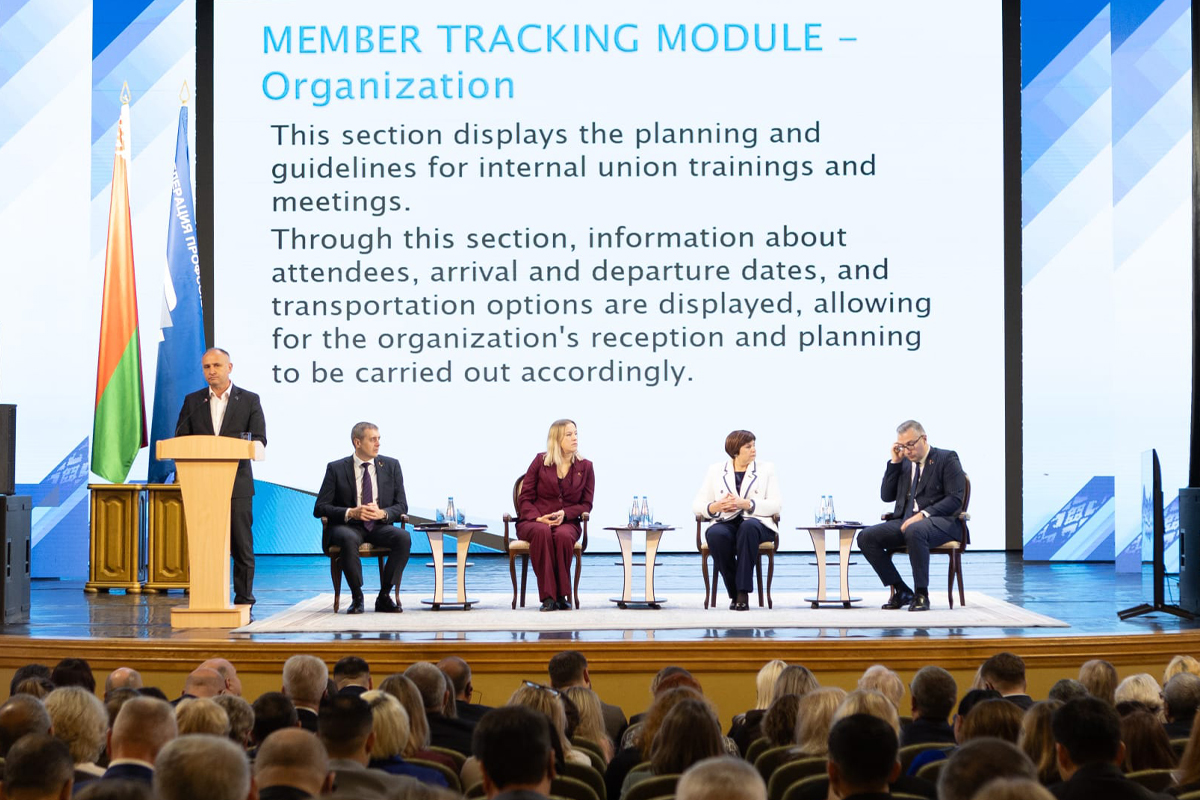
ILC Secretary General Hamza Öksüz Addresses the Future of Labour Amid Technological Transformation in Belarus
WORLD DAY FOR DECENT WORK
Statement on the International Day of Peace
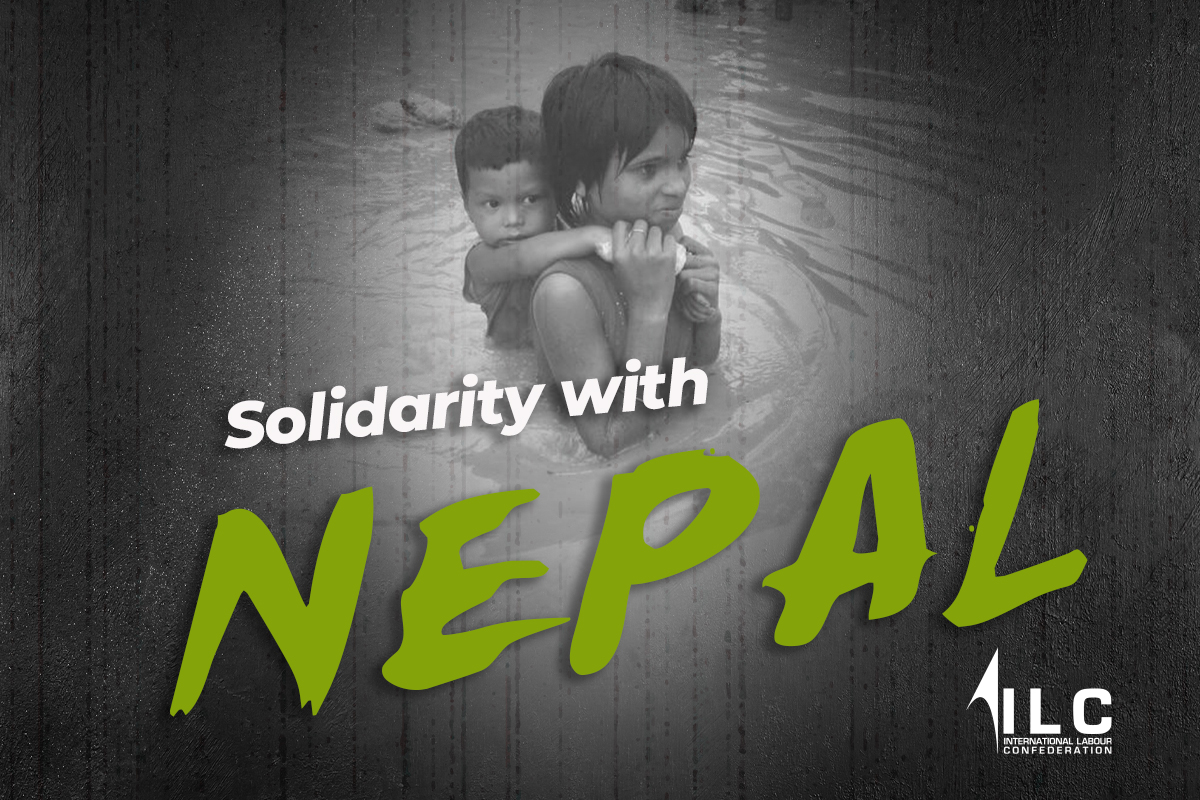
ILC Statement of Solidarity with Nepal Following the Flood Disaster
ILC Statement on International Youth Day Justice for Youth, Solidarity for the Future
Statement on The World Day Against Trafficking in Persons
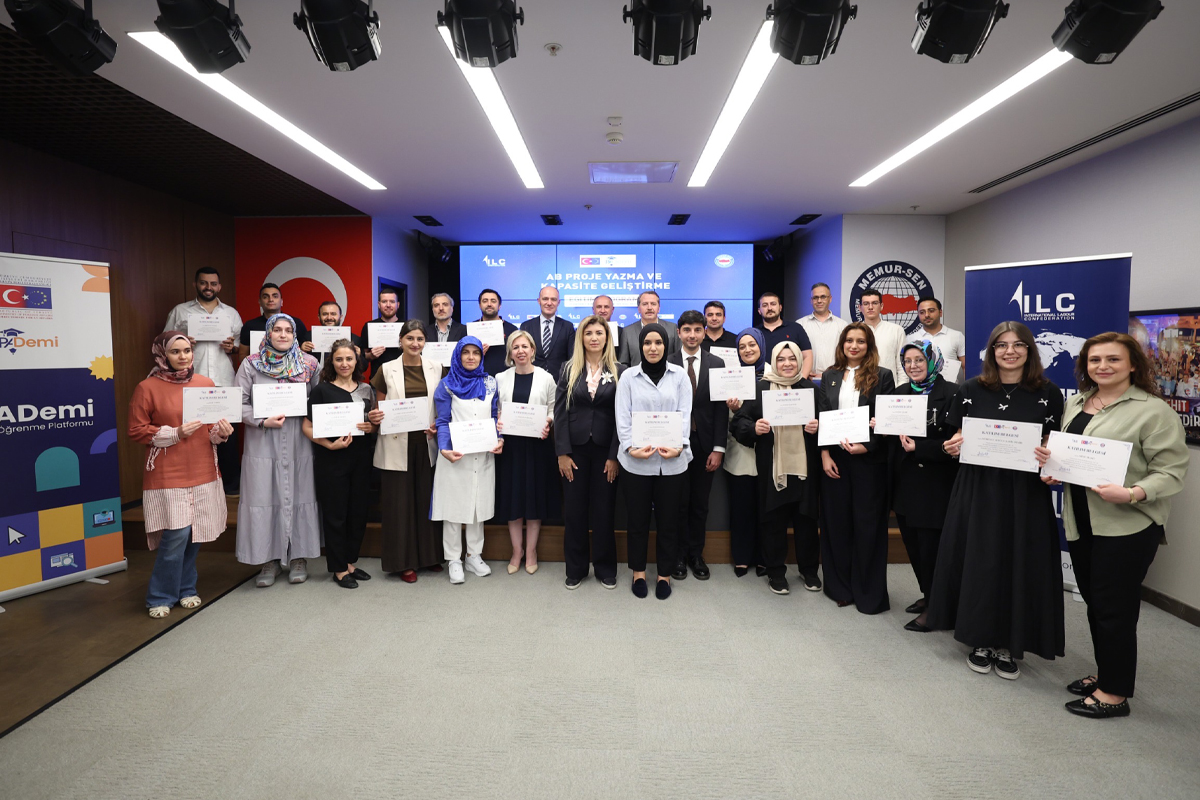
ILC Organises EU Project Writing and Capacity Building Training for Trade Union Staff
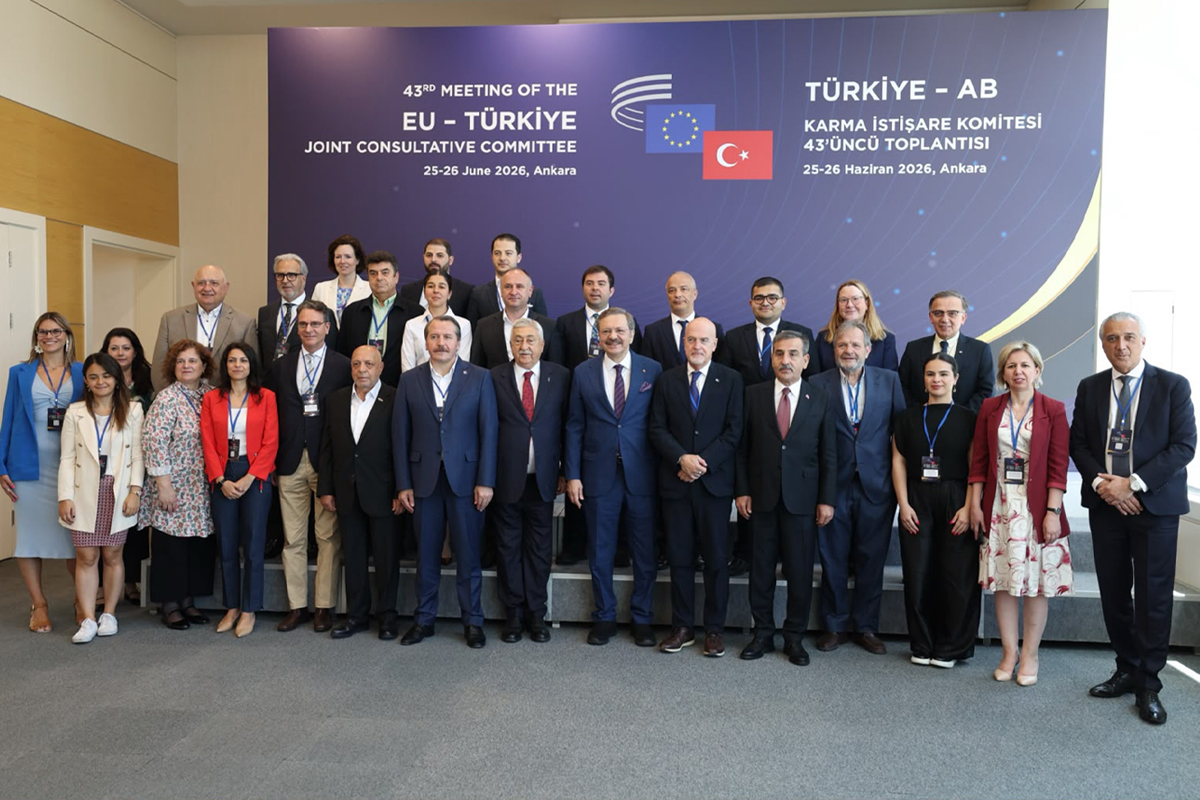
Labour and Human Centred Digital Transformation
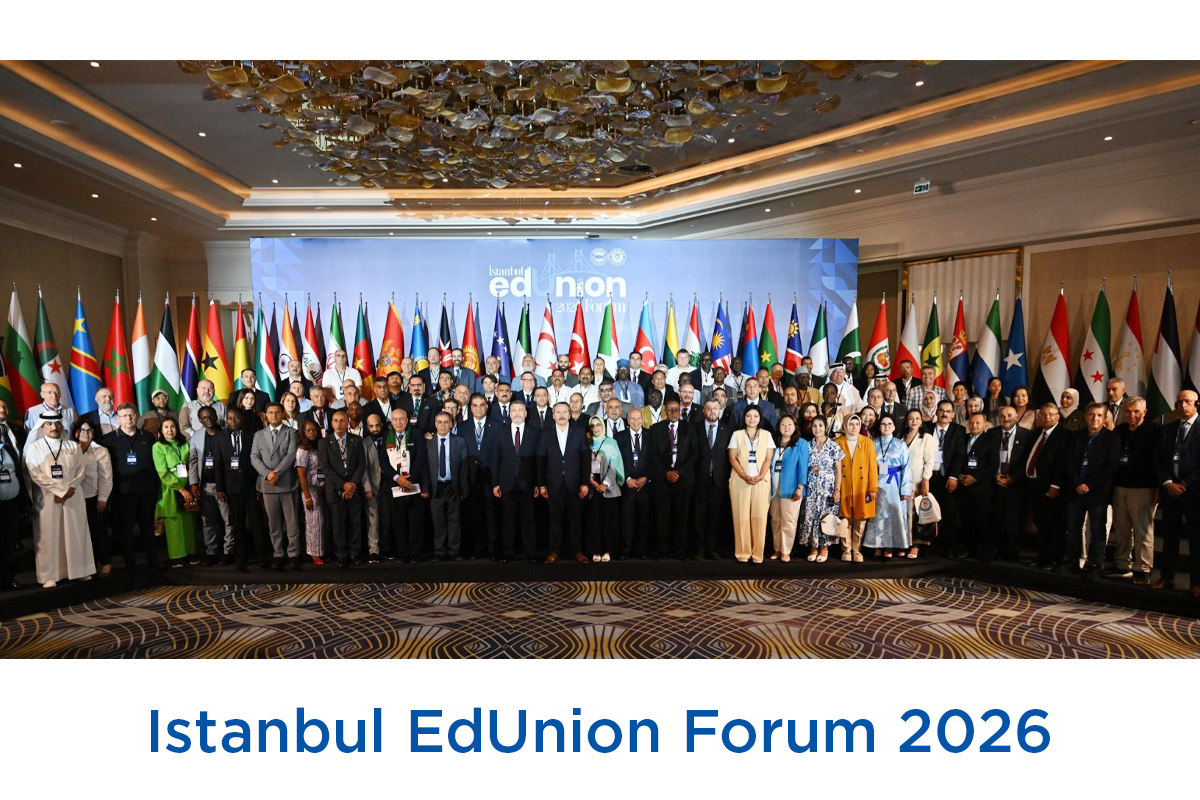
Istanbul EdUnion Forum 2026
The Platform Economy Convention is a Critical Step for Labour Rights
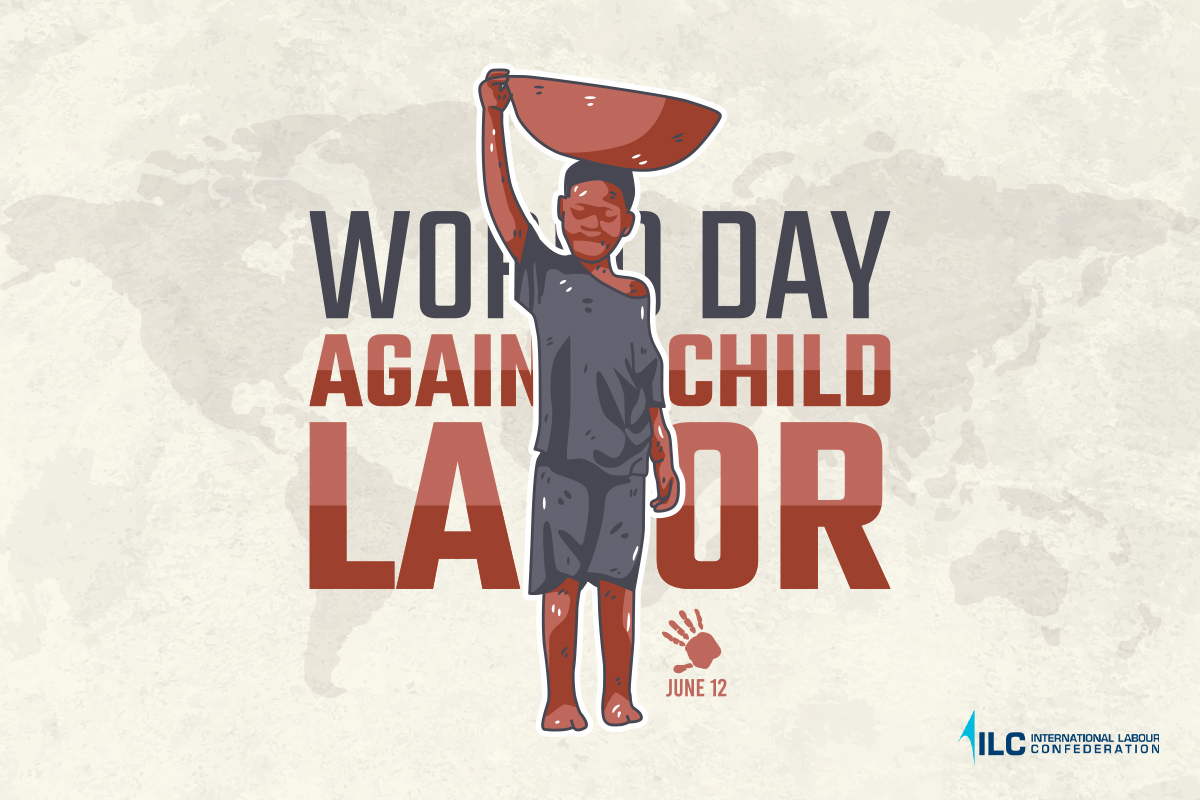
World Day Against Child Labour
Children Are Not Our Workers, They Are Our Future!
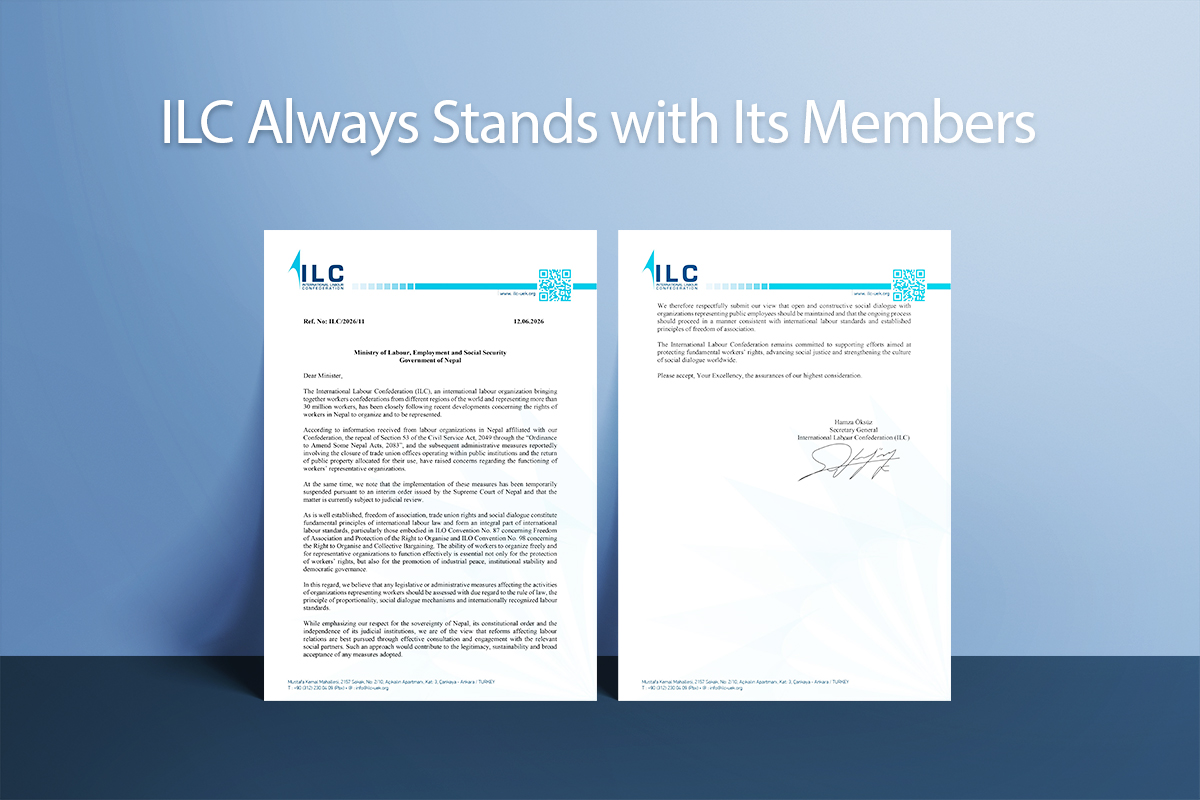
ILC Always Stands with Its Members
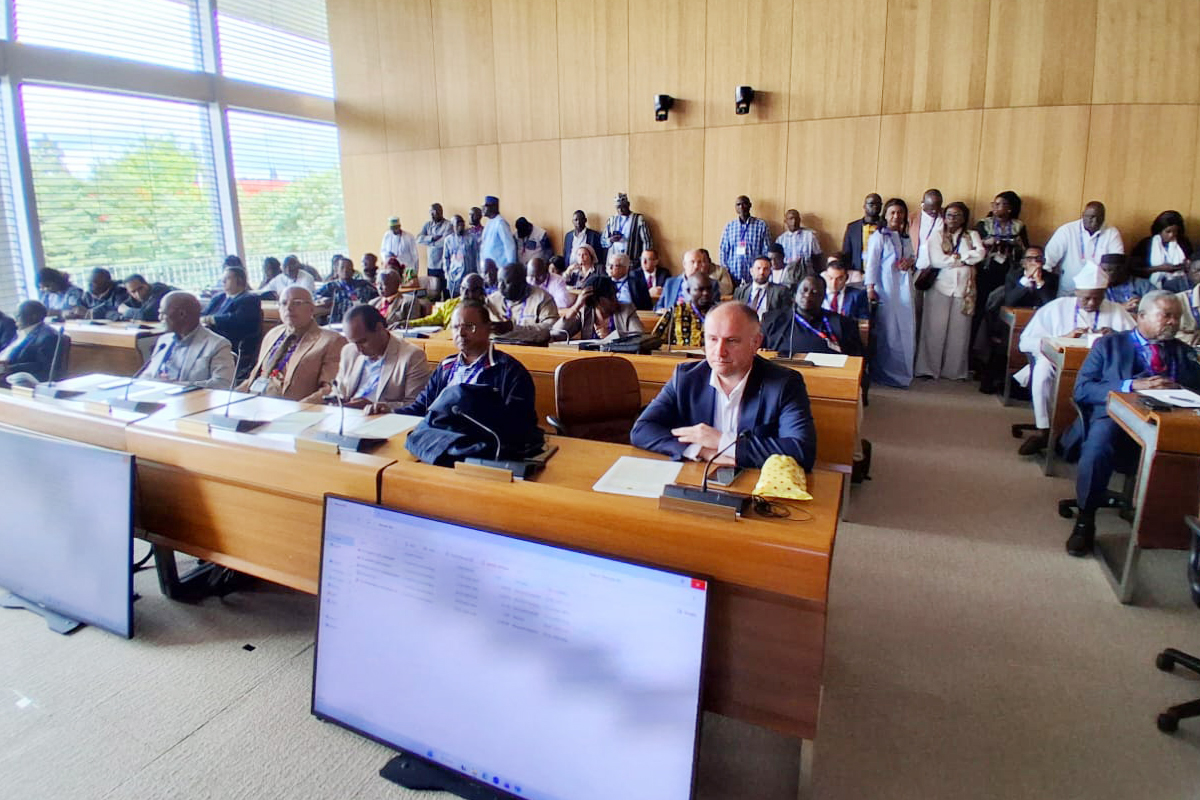
ILC Secretary General Hamza Öksüz Participates in OATUU Meeting
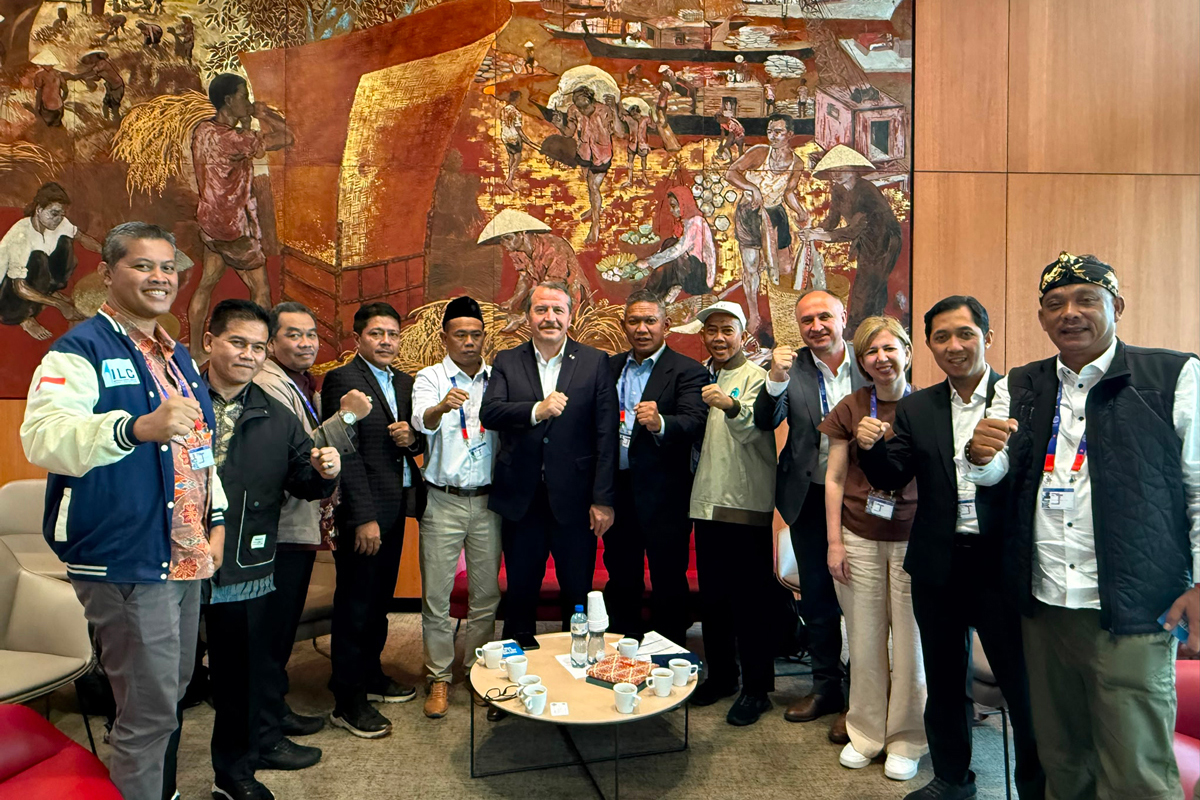
Bilateral Meetings Held on the Margins of the 114th International Labour Conference