News / Blog
The Future of Trade Unionism in Romania: The Imperative of Rebuilding in an Age of Crisis
Today, trade unions are confronted with two major pressures simultaneously. On the one hand, they face the urgent need to protect workers’ purchasing power in the face of inflation, the rising cost of living, and declining real incomes. On the other hand, the transformative effects of artificial intelligence, digitalisation, and automation on working life are becoming increasingly visible. This dual pressure is forcing trade unions to move beyond the role of institutions that merely defend existing rights and to become strategic actors capable of shaping the future of labour.
This picture is not unique to Romania. As in many other European countries, working life in Romania is undergoing a profound structural rupture. The erosion of real wages, the weakening of social protection mechanisms, the spread of precarious forms of employment, and the uncertainty generated by technological transformation are making the traditional defensive reflexes of trade unions increasingly inadequate. The central question today is no longer simply whether existing rights can be preserved, but whether a new strategic framework in favour of labour can be built within the emerging regime of work.
As 2026 approaches, one of the most pressing issues is the deepening wage squeeze and the growing social discontent that accompanies it. Fiscal and budgetary measures that negatively affect incomes and pensions, combined with contracting consumption and rising living costs, are generating a powerful accumulation of frustration among working people. For this reason, protests and hard-fought wage negotiations should not be seen merely as expressions of economic demands; they should also be understood as manifestations of a deepening crisis of social legitimacy.
Another critical issue is the need to secure an adequate and fair minimum wage. This is not merely a technical matter of wage policy; it is also a key indicator of social justice, the dignity of labour, and economic stability. Yet the debate over the minimum wage is increasingly becoming a sharper field of conflict between government, employers, and trade unions. At its core, this debate brings one essential question to the surface: who will bear the burden of the crisis?
In addition, expectations of economic stagnation are further narrowing the room for manoeuvre available to trade unions. Layoffs, contraction in employment, and growing insecurity are affecting a wide range of sectors, including the public sector, agriculture, the food industry, and parts of the service economy. Continued price increases and rising unemployment are weakening workers’ bargaining power. In such an environment, it will not be enough for trade unions simply to retreat into a defensive posture. They must develop a more comprehensive, forward-looking, and transformative perspective on the future of labour markets.
Digitalisation and automation, meanwhile, cannot be regarded simply as technical adjustment issues for trade unions. These processes are reshaping the nature of work, skill requirements, forms of supervision, and ultimately the very structure of labour-capital relations. For this reason, trade unions cannot afford either to resist change outright or to accept it passively and uncritically. What is needed instead is a strong trade union vision capable of managing the social consequences of technological transformation in favour of labour. Reskilling, vocational training, just transition policies, and workers’ effective participation in decision-making processes must stand at the centre of this vision. In other words, trade unions must position themselves not at the margins of this transformation, but at its very heart.
Yet the crisis experienced by Romania’s trade union movement is not solely the result of external pressures. Equally important are the problems that have accumulated within the movement itself. One of the most serious challenges it faces today is the erosion of representative capacity, accompanied by a growing loss of trust. The dismantling of large industrial enterprises, the spread of small and medium-sized businesses, failed privatisation processes, employer pressure, and tendencies toward politicisation within segments of the trade union movement have all contributed to declining unionisation rates.
However, the problem is not simply one of numerical decline. The deeper issue is the weakening of trade unions’ legitimacy in the eyes of workers. A significant portion of workers no longer view unions as effective vehicles for the defence of rights, but rather as bureaucratic, inward-looking structures with weak connections to their social base. This means that the trade union movement is facing not only an organisational problem, but also a profound crisis of credibility.
This rupture is especially visible in the private sector. Although undeclared work, employer pressure, arbitrary practices, and anti-union attitudes are most intense in this sphere, it is also where union organisation remains weakest. One major reason for this is that many workers are not fully convinced that trade unions genuinely fight for their rights and interests. Another is the persistence, among some employers, of an authoritarian and paternalistic workplace culture. This outlook sees workers not as rights-bearing subjects, but as elements dependent on the employer’s will. It remains one of the most powerful obstacles to the growth of trade union organisation.
The historical roots of this crisis of trust become clearer when one looks at the trajectory of the Romanian trade union movement itself. Before 1990, the union structure had millions of members and a considerable institutional legacy. In the years that followed, however, it became fragmented, weakened, and suffered a substantial loss of prestige. The failure to preserve the trade union legacy, the turn of some union leaders toward politics, and the growing distance between the movement and the expectations of its rank and file produced a deep sense of disappointment among members. The effects of this historical erosion are still felt today.
For precisely this reason, the future of trade unionism in Romania lies not in preserving old structures, but in rebuilding the movement itself. Such reconstruction does not simply mean developing better organisational techniques. It also requires a new trade union culture, a new understanding of leadership, and a stronger basis of social legitimacy. Building stronger ties with younger generations, generating trust in the private sector, transforming members from passive dues-payers into active subjects, and cultivating well-trained trade union cadres are no longer optional; they are urgent necessities.
In the period ahead, Romanian trade unions will have to move beyond being organisations that merely provide certain benefits to their members. What is needed is a trade union movement capable of organising social resistance, understanding the transformation of working life, restoring meaning and effectiveness to social dialogue, and directly negotiating labour rights under new crisis conditions. At a time when the crisis is deepening, unemployment is rising, and hard-won social gains are shrinking, the renewal of the trade union movement is no longer a matter of choice; it is a condition of survival.
The central question in Romania today is this: will trade unions remain institutions that retreat into defensive positions at this historic juncture, or will they become effective social actors capable of shaping the future of labour? The answer will not only determine the direction of working life in Romania; it will also have implications for the future of labour struggles across Europe.
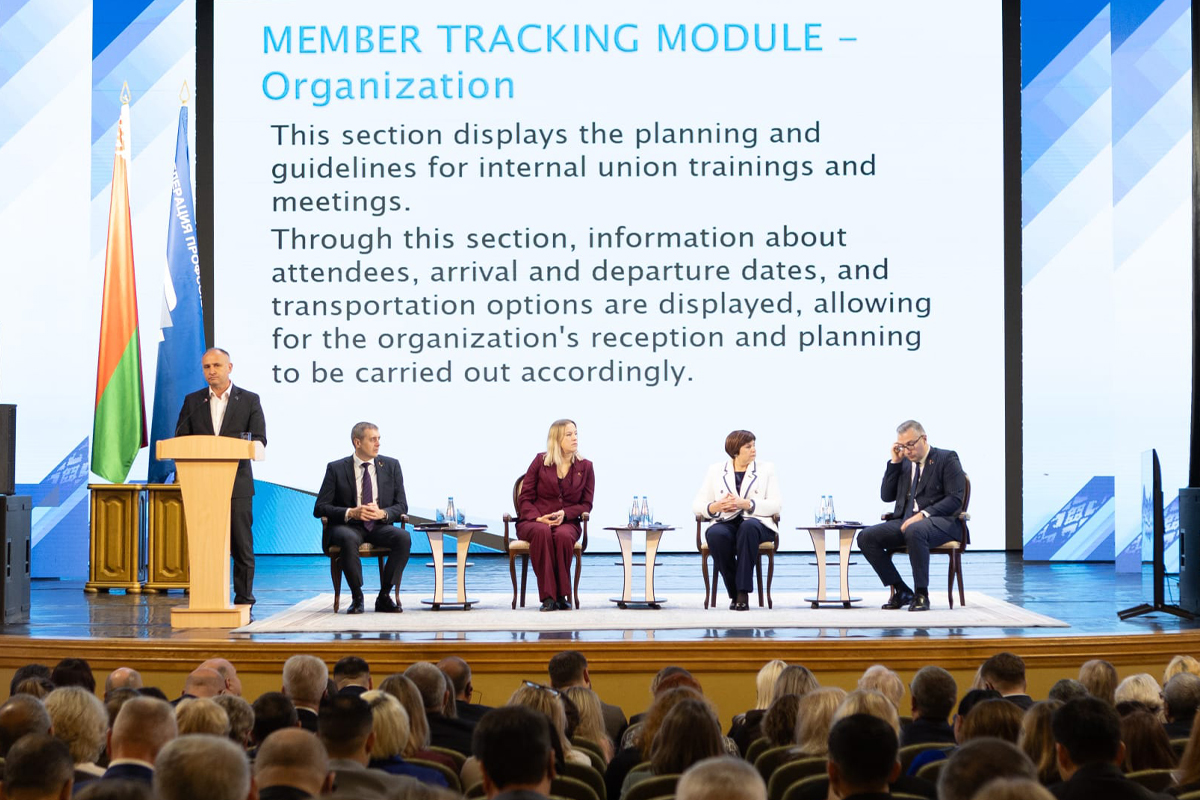
ILC Secretary General Hamza Öksüz Addresses the Future of Labour Amid Technological Transformation in Belarus

WORLD DAY FOR DECENT WORK

Statement on the International Day of Peace

ILC Statement of Solidarity with Nepal Following the Flood Disaster

ILC Statement on International Youth Day Justice for Youth, Solidarity for the Future

Statement on The World Day Against Trafficking in Persons
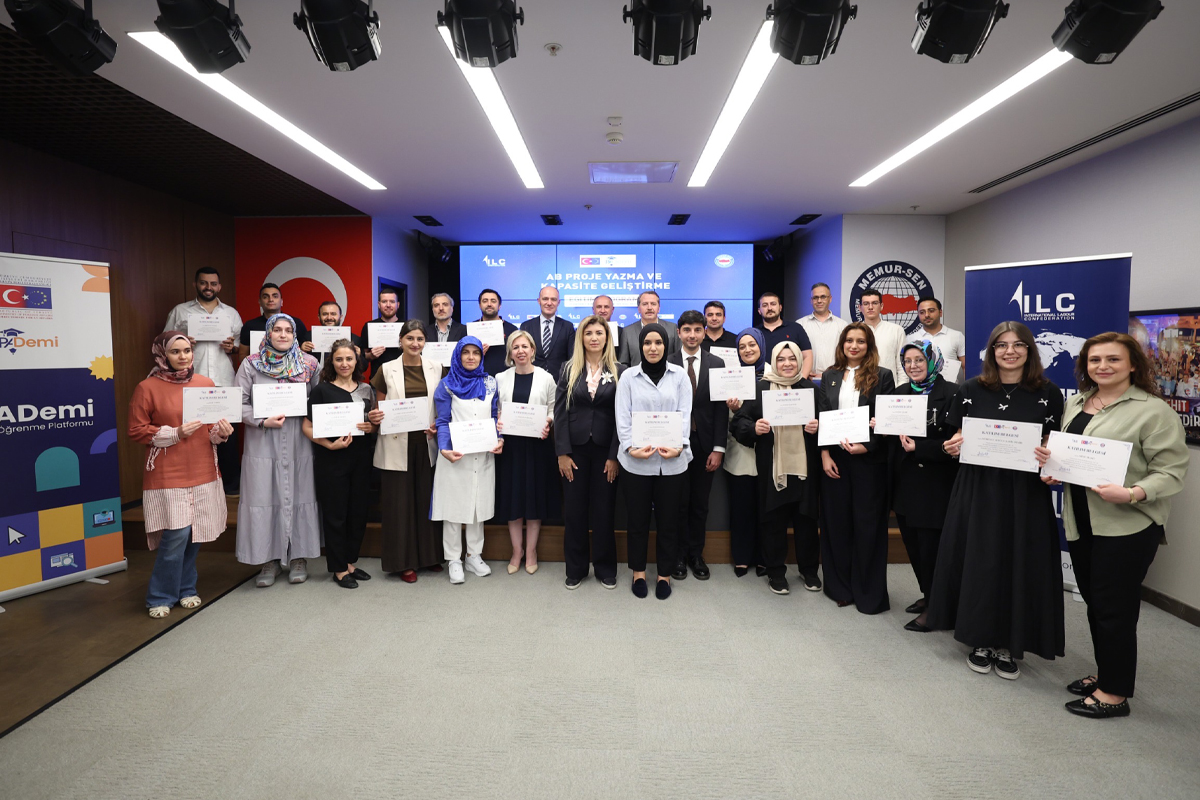
ILC Organises EU Project Writing and Capacity Building Training for Trade Union Staff
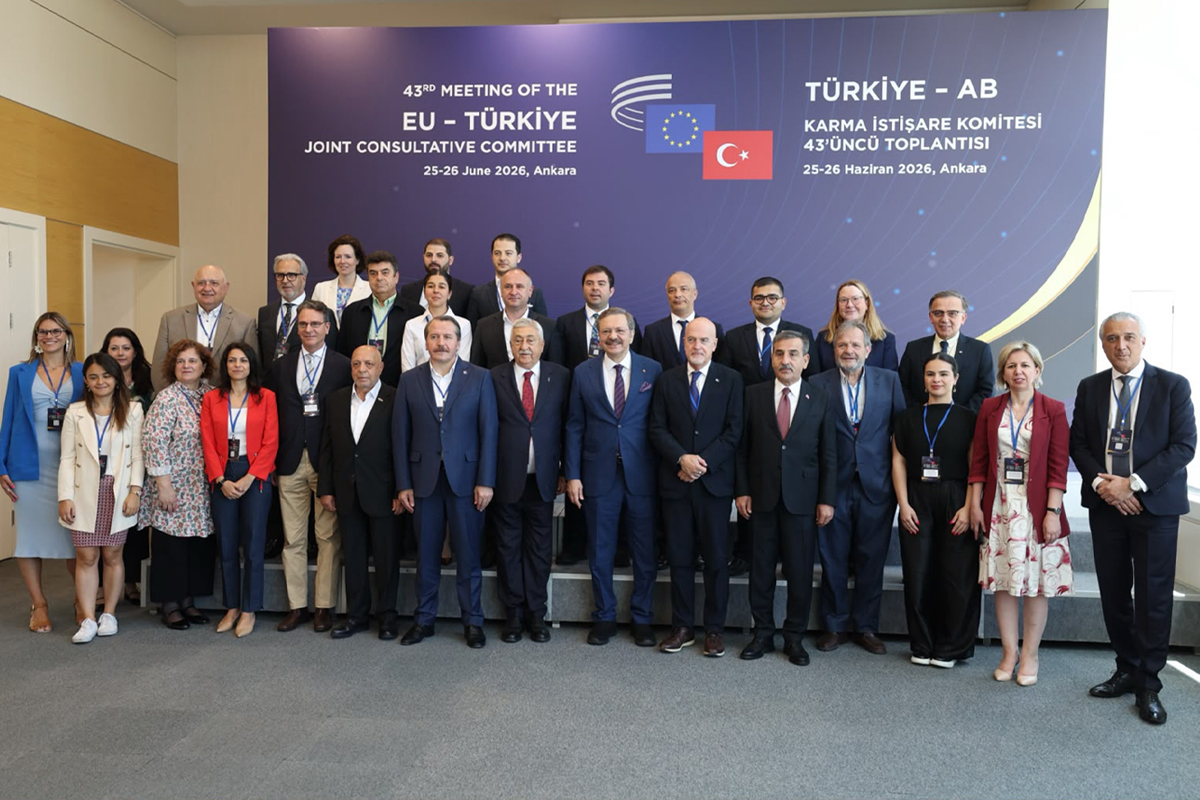
Labour and Human Centred Digital Transformation

Istanbul EdUnion Forum 2026
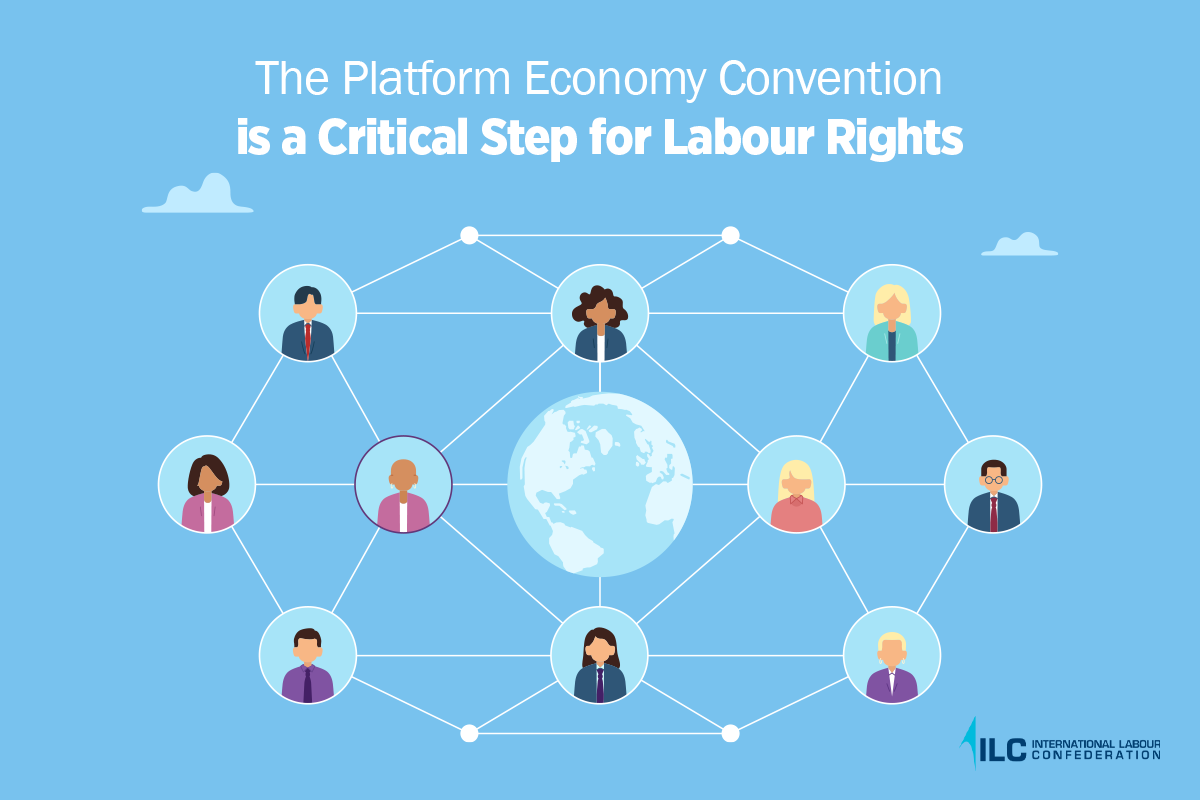
The Platform Economy Convention is a Critical Step for Labour Rights
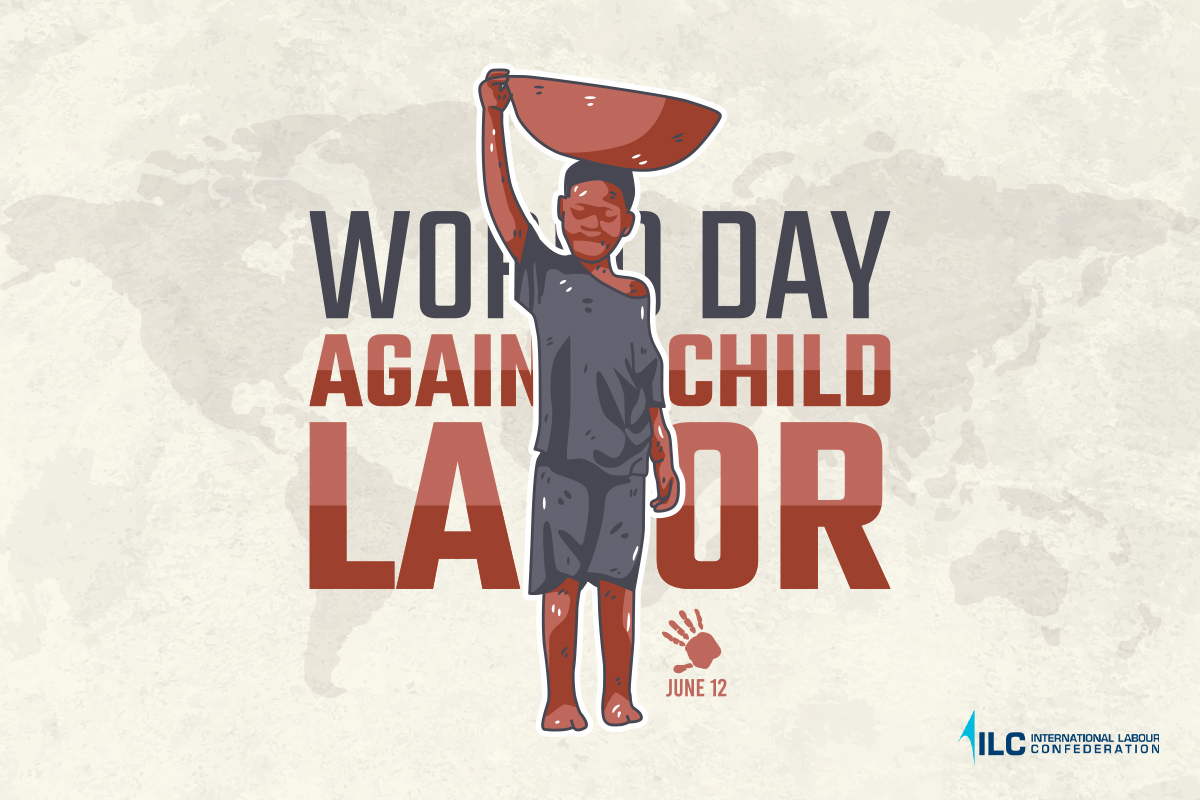
World Day Against Child Labour
Children Are Not Our Workers, They Are Our Future!
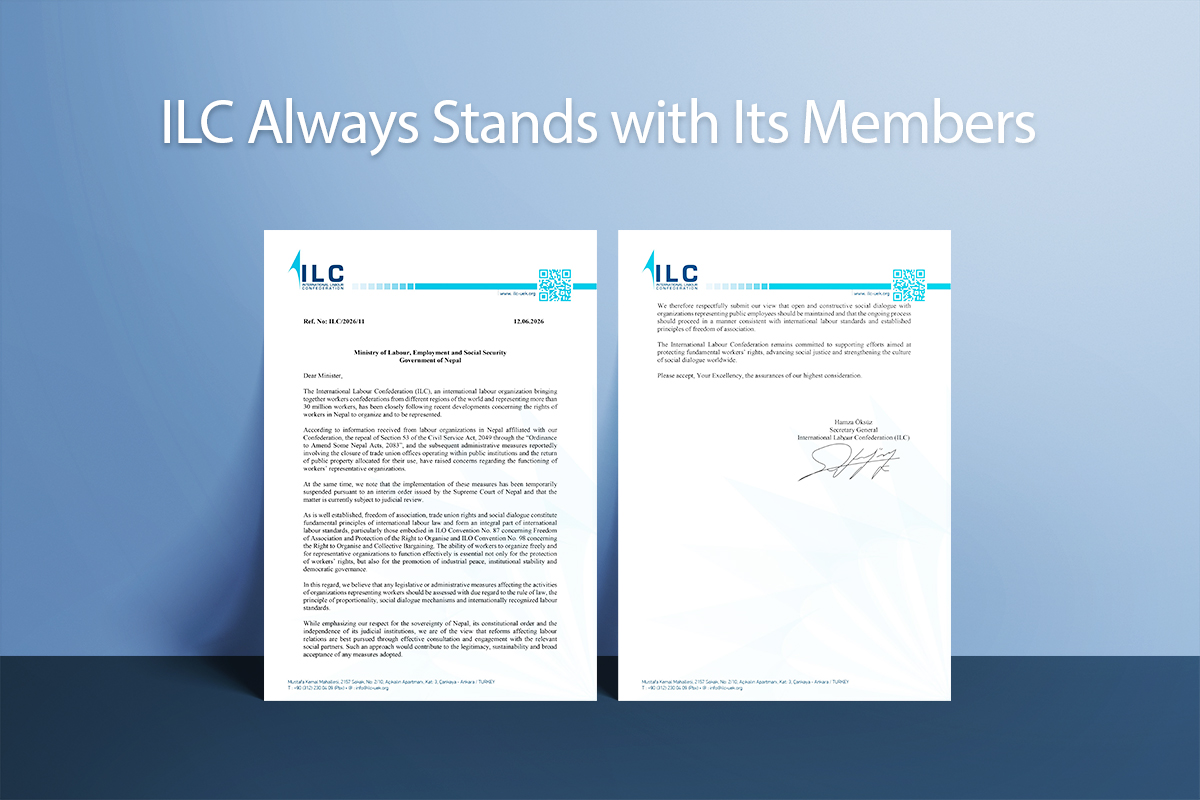
ILC Always Stands with Its Members
ILC Secretary General Hamza Öksüz Participates in OATUU Meeting

Bilateral Meetings Held on the Margins of the 114th International Labour Conference