News / Blog
The World in the Shadow of Power Politics
After the end of the Cold War, the international system was for a long time defined through the discourse of a “rules-based international order.” Yet developments in recent years suggest that this narrative has been steadily eroding. Unilateral interventions, sanctions, regime-change attempts, and targeted assassinations are gradually forming a new repertoire of power politics that increasingly substitutes for international law.
The effective suspension of international law in the face of the systematic targeting of civilians in Gaza, the overlooking of violations of sovereignty against Venezuela, the open articulation of power-projection strategies over geostrategic regions, and the execution of military operations against Iran while negotiations were still ongoing, along with assassination attempts targeting religious leaders and senior state officials, represent different manifestations of this same trend.
This situation is not accidental. It is part of a broader strategic pattern that reflects the continuity of global power impositions.
For years, the internal cohesion of societies has been weakened; cultures of solidarity have been fragmented; and long-term social traumas have been produced. Military interventions have been carried out repeatedly. These interventions have often been justified through the language of “human rights,” “democracy,” or “humanitarian intervention.” Yet historical experience has significantly eroded the credibility of these claims. Today, the same interventionist logic is increasingly reproduced through the discourse of “security.”
The reality, however, is quite clear: interventions themselves are among the most significant producers of global insecurity.
From Iraq to Libya, from Afghanistan to Syria, the chain of interventions has resulted in the loss of hundreds of thousands of lives, the displacement of millions, and the deep destruction of the social fabric of entire societies. Regional balances have been overturned, permanent zones of conflict have been created, and instability on a global scale has deepened. The same interventionist reasoning now risks destabilizing the entire Middle East through the attack on Iran.
One of the most serious problems confronting the international system today is the increasingly selective application of international law. Article 2(4) of the United Nations Charter clearly prohibits the use of force by states. Yet the repeated violation of this principle undermines the foundational norms of the international order.
The United Nations system, particularly due to the veto mechanism within the Security Council, has frequently rendered ineffective the collective security architecture intended to limit the use of force. As a result, the implementation of international law has become dependent on the political calculations of major powers. Veto politics has transformed international law into an instrument of geopolitical bargaining.
When international law becomes flexible for powerful states and binding only for weaker ones, it ceases to function as law. Double standards erode legal norms; selective principledness legitimizes interventionism. Silence, in turn, normalizes power politics. And power politics recognizes no limits; it merely generates new crises and new targets.
For this reason, if preventive measures are not taken today, the question we must ask is simple:
Which country will be the next target tomorrow?
This situation cannot be understood solely as a matter of foreign policy choice. It also reflects a broader tendency within the global capitalist system, whereby systemic crises are increasingly managed through military instruments.
In this context, military interventions function not only as security operations but also as mechanisms through which wealth and power are redistributed upward. While global arms manufacturers, energy cartels, and geopolitical power centers derive significant economic and strategic benefits from this process, the true costs of war are borne by the most vulnerable segments of society. Workers lose their jobs and their livelihoods; the poor are pushed into deeper poverty; and women and children suffer most severely from the social and humanitarian consequences of war. Millions are displaced, and mass migration waves further intensify insecurity and exploitation within labor markets.
The strengthening of militarization also implies the weakening of the social state. Public resources are withdrawn from education, healthcare, and social protection systems and increasingly redirected toward military expenditure. In such an environment, war manifests not only on battlefields but also in labor markets, social rights, and widening social inequalities, generating a multidimensional crisis.
For the labour movement, therefore, the demand for peace is not merely a moral appeal. It is an integral part of the struggle for social justice and for dignified living conditions.
If we are to undertake a genuine assessment of the attack on Iran, the first question we must ask is this: Who truly benefits from this war?
At a time when negotiations were ongoing, the powers that carried out a military intervention against Iran under the pretext of “security,” disregarding international law and humanitarian values, have not hesitated to target civilian areas. The fact that attacks causing the deaths of civilians, including children, have been met with widespread global silence is among the clearest indicators of the moral and legal crisis facing the international system today.
Calls for regime change in Iran represent a direct violation of one of the most fundamental principles of international law. No state has the right to determine the political destiny of another through military force. Sovereignty and the right of peoples to self-determination are foundational principles of the international order and cannot be treated as matters for negotiation.
Power politics is not a source of global peace but of persistent instability. The attacks carried out by the United States and Israel deepen precisely this dynamic. Disrupting regional balances, intensifying social fractures, and positioning societies against one another have long been among the most familiar methods used to achieve geopolitical objectives. Yet it is always the peoples of the region who pay the price.
At the same time, the attacks that Iran has stated it carried out against U.S. bases located in various countries in the region are equally unacceptable. The risks these actions pose to civilian populations are clear. Such escalation will only intensify regional tensions and expand the scope of the conflict. Steps of this kind neither contribute to regional peace nor to global stability, nor can they reasonably be expected to do so.
What the Middle East needs today is not new wars, but the restoration of an approach grounded in international law and committed to strengthening diplomacy and dialogue. The region’s already fragile political and social balances are further destabilized by new military interventions. For this reason, instead of policies that escalate tensions, it is vital to develop strategies that reduce conflict and prioritize restraint, prudence, and peaceful solutions.
Equally important is the need for the people and governments of the region to avoid falling into the traps of imperial powers pursuing geopolitical calculations and to remain vigilant against attempts to turn them against one another. The history of the Middle East clearly shows that external interventions have often deepened social fault lines and produced lasting mistrust among peoples. Yet the fate of the region’s people is interconnected, and durable peace can only be built on the foundations of mutual understanding, dialogue, and cooperation.
Today some actors may seek to secure their safety through alliances with imperialist powers. Yet history has repeatedly demonstrated that international balances of power are temporary. Global powers may change, alliances may shift, but the people of the Middle East will continue to live in this geography. Lasting stability therefore cannot be built by relying on external intervention but by strengthening a culture of regional peace and solidarity.
- Ultimately, when analyzing global politics, we must ask several fundamental questions:
- Is this intervention truly undertaken for security, or is it serving deeper strategic and economic interests?
- Who does this war serve? Who benefits, and who loses?
- Who bears the costs of militarization and conflict?
- And ultimately, who bears the social and economic costs of war?
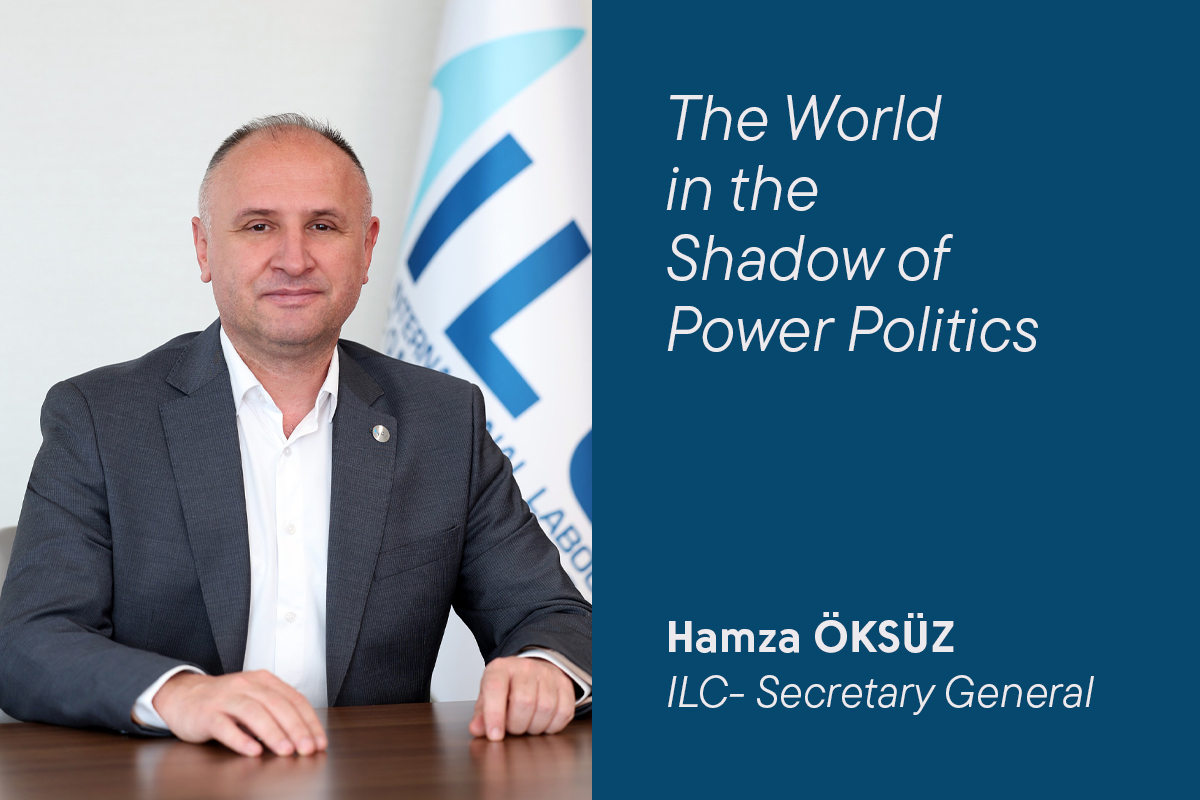
Hamza Öksüz
ILC- Secretary General
WORLD DAY FOR DECENT WORK
Statement on the International Day of Peace
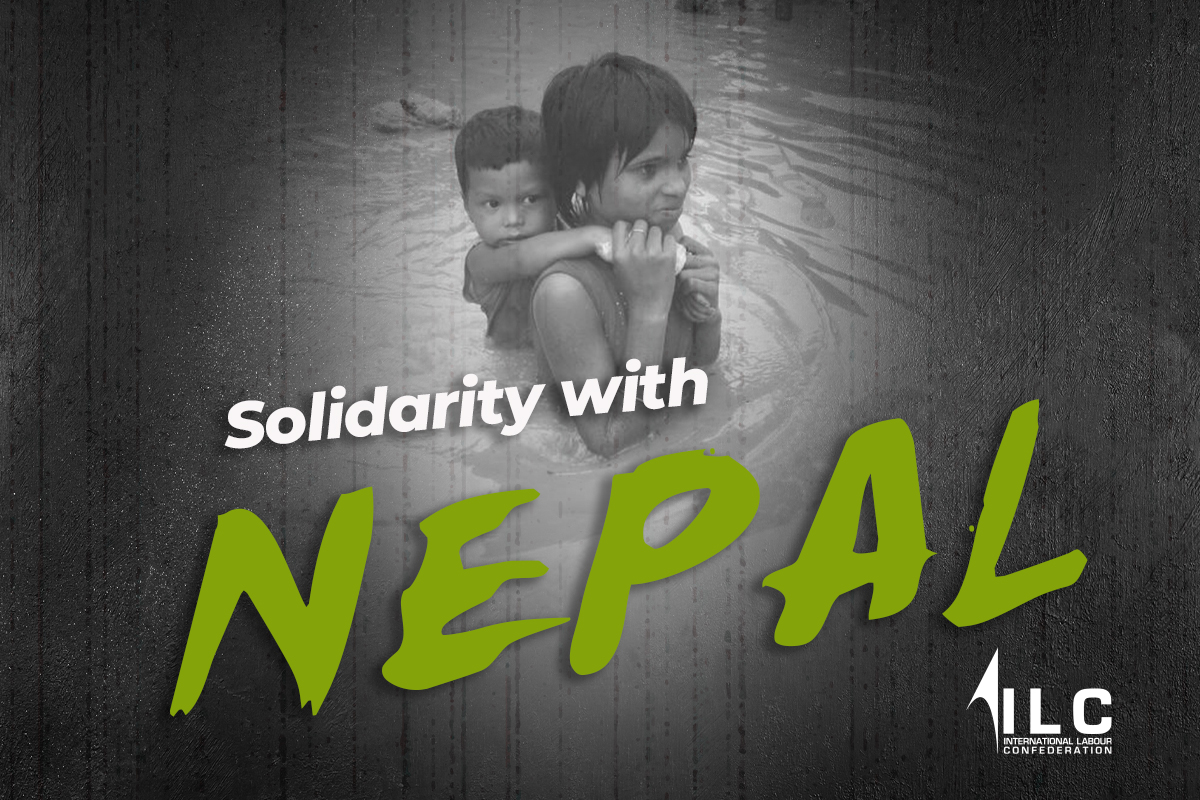
ILC Statement of Solidarity with Nepal Following the Flood Disaster
ILC Statement on International Youth Day Justice for Youth, Solidarity for the Future
Statement on The World Day Against Trafficking in Persons
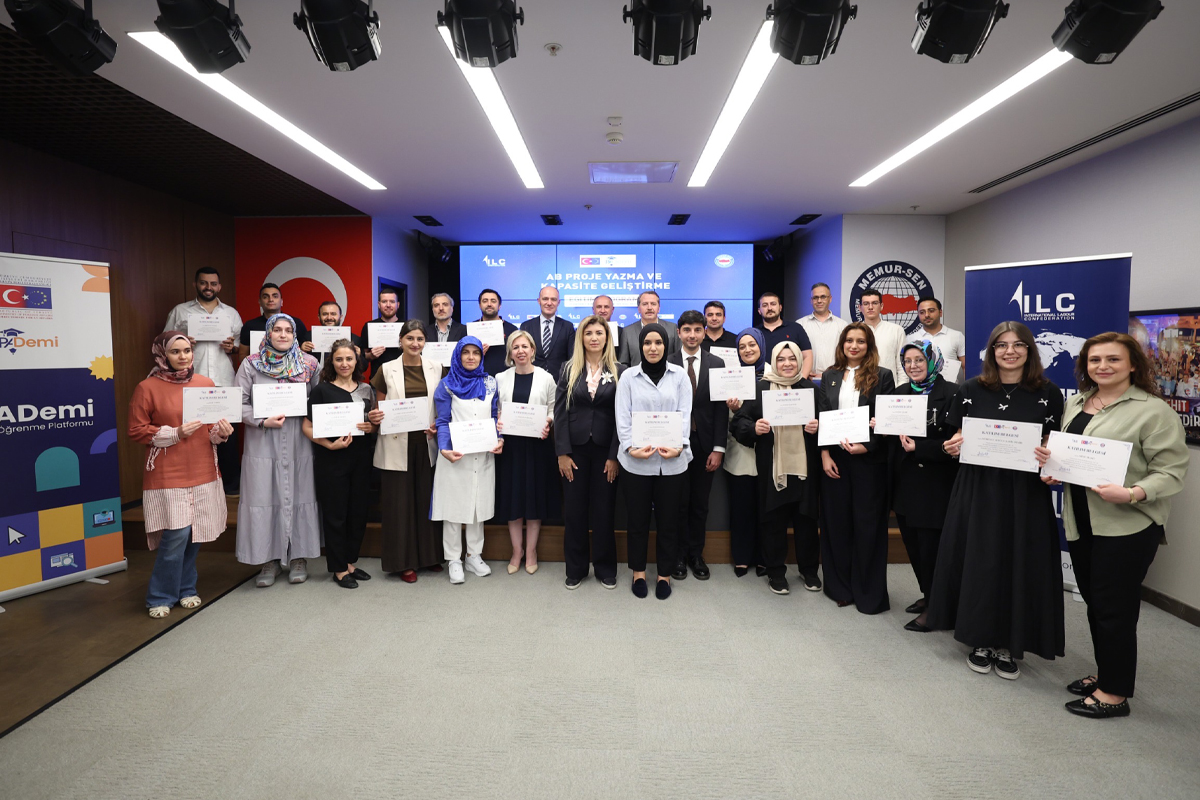
ILC Organises EU Project Writing and Capacity Building Training for Trade Union Staff
Labour and Human Centred Digital Transformation
Istanbul EdUnion Forum 2026
The Platform Economy Convention is a Critical Step for Labour Rights
World Day Against Child Labour
Children Are Not Our Workers, They Are Our Future!
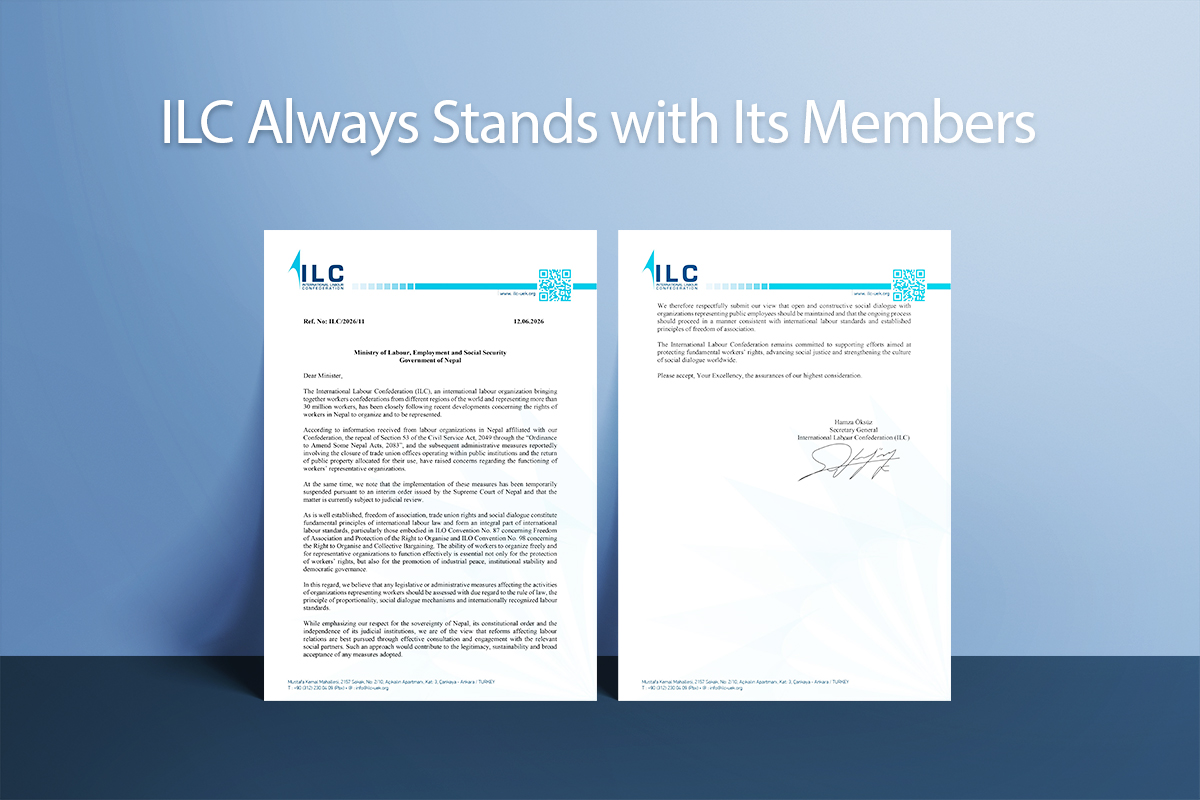
ILC Always Stands with Its Members
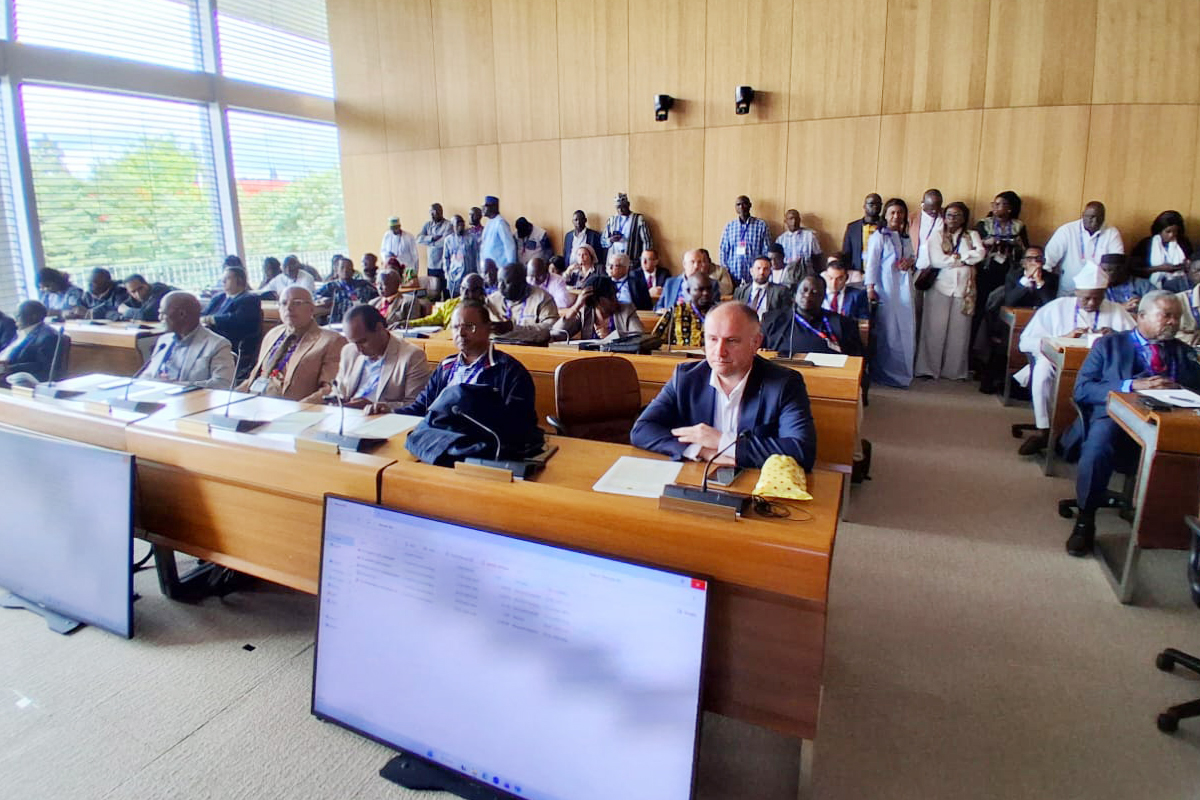
ILC Secretary General Hamza Öksüz Participates in OATUU Meeting
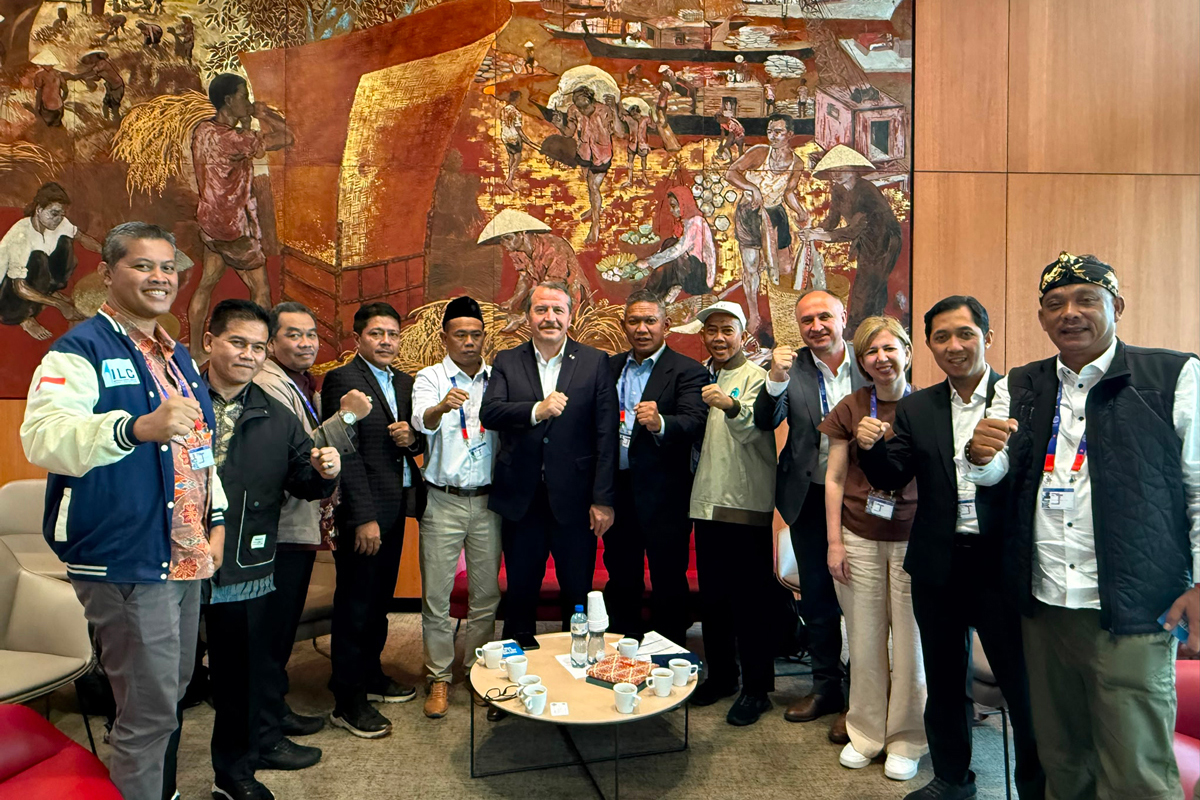
Bilateral Meetings Held on the Margins of the 114th International Labour Conference
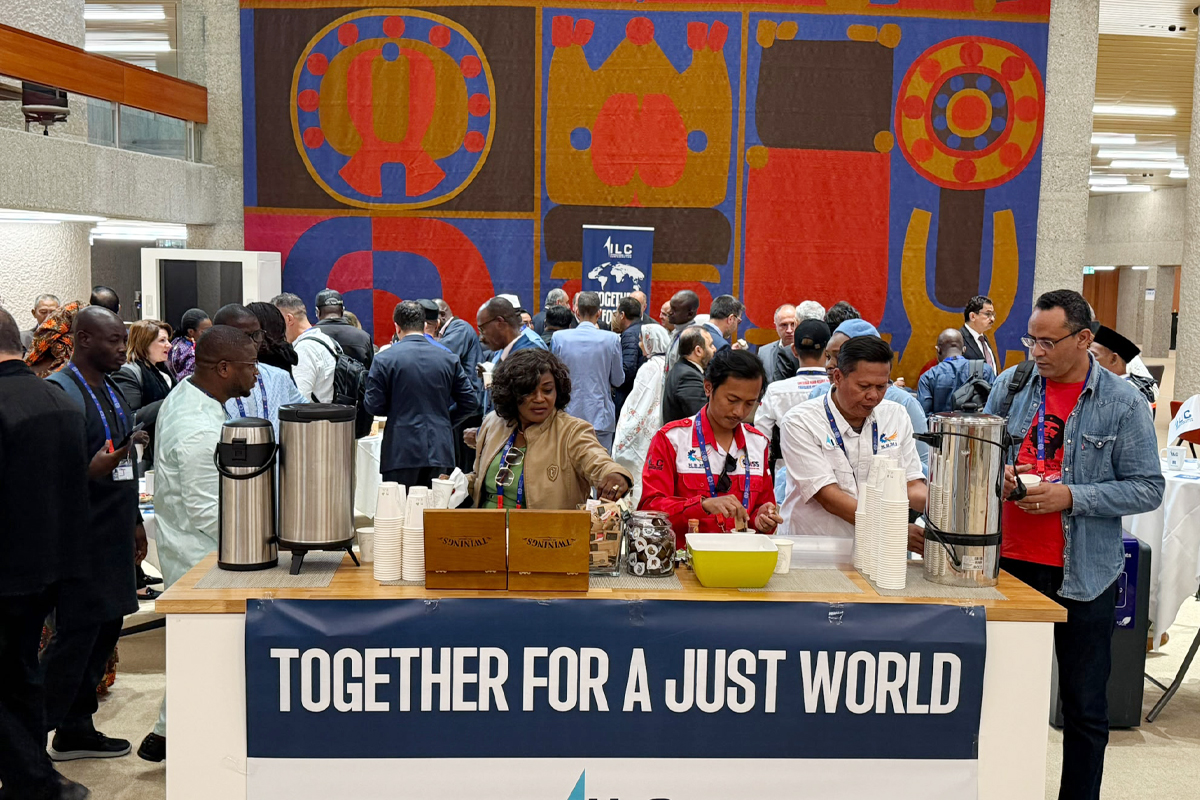
Traditional ILC Reception in Geneva Brought Together Representatives of the International Trade Union Movement