News / Blog
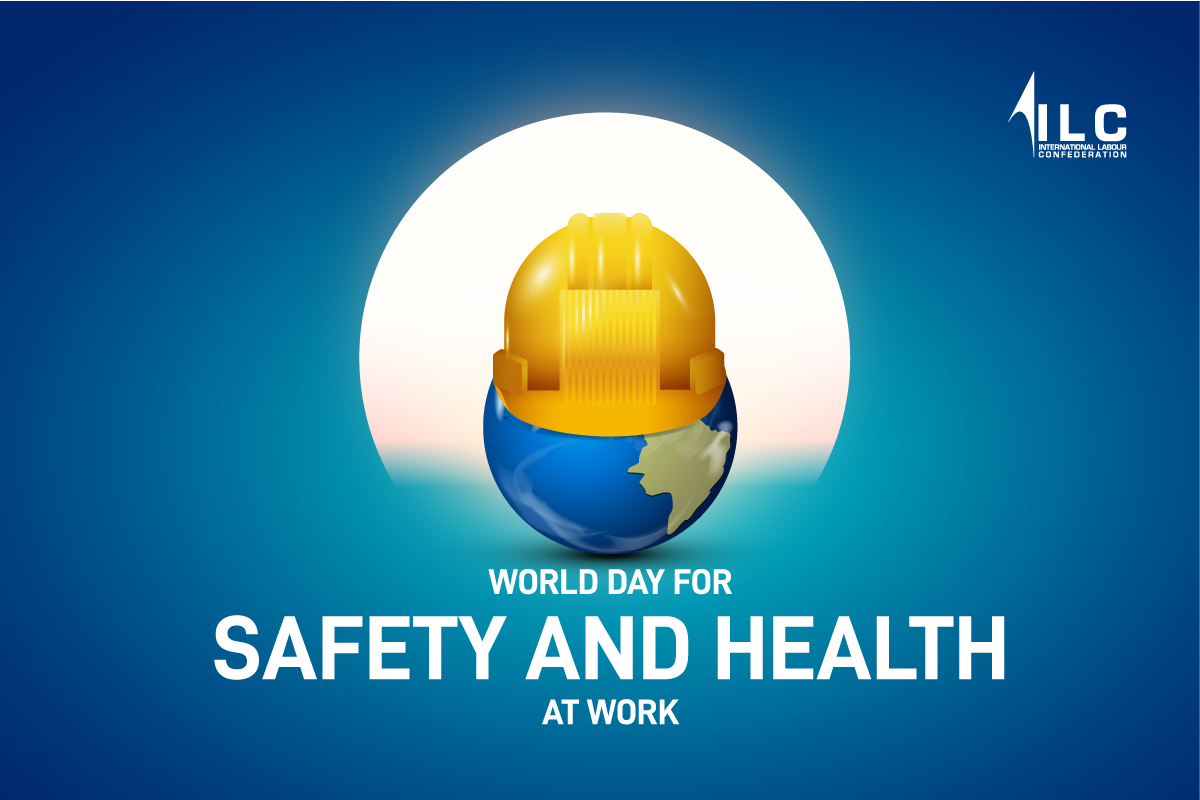
World Day for Safety and Health at Work
Today, on 28 April, World Day for Safety and Health at Work, we honour with deep respect the memory of all workers across the world who have lost their lives as a result of occupational accidents, work-related diseases, and precarious working conditions. Their loss is not only the grief of their families, but also a shared sorrow for the entire world of labour. This sorrow also strengthens our responsibility to struggle for a safer, healthier, and more just world of work.
Occupational safety and health is not merely a technical regulation, an administrative procedure, or a narrow field of workplace legislation. It is an integral part of human dignity, labour rights, and social justice. Every worker, every public servant, and every labourer has the right to work without risking their life, losing their health, or being subjected to pressure, insecurity, and precariousness and to return home safely and in good health.
Today, millions of workers around the world face not only physical hazards, but also psychosocial risks such as excessive workloads, long working hours, workplace bullying, violence, harassment, stress, burnout, job insecurity, and uncertainty. Digitalisation, the platform economy, flexible and fragmented forms of work, the climate crisis, and the economic disruptions caused by wars have made occupational safety and health an even more vital issue.
As the International Labour Confederation (ILC), we state clearly:
No production target is more valuable than human life.
No profit calculation is more important than workers’ health.
No economic crisis can justify weakening occupational safety and health measures.
Occupational accidents are not fate. Work-related diseases are not inevitable. Burnout, workplace bullying, violence, and precariousness cannot be regarded as ordinary consequences of working life. Today, the conditions that threaten workers’ health often stem not only from negligence in workplaces, but also from an economic mindset that treats labour as a cost item, from precarious employment models, from weak inspection mechanisms, and from restrictions on trade union rights. For this reason, occupational safety and health is also a matter of social justice, freedom of association, and democracy in working life.
In this regard, and in line with the ILO’s principles of decent work, and safe working environments, we call on governments, employers, and international organisations to take action:
- Occupational safety and health policies must be strengthened, and inspections must be made effective, independent, and deterrent.
- The health and safety rights of workers in precarious, informal, subcontracted, and platform-based forms of employment must be guaranteed.
- Psychosocial risks must be recognised as a central component of occupational safety and health policies.
- Effective mechanisms must be established against violence, harassment, workplace bullying, discrimination, and excessive workloads in workplaces.
- The participation of trade unions in occupational safety and health processes must be strengthened, and workers’ rights to have a voice, to object, and to organise must be guaranteed.
- Special protection mechanisms must be developed for women, young people, migrant workers, persons with disabilities, and vulnerable groups.
As the ILC, we believe that a safe and healthy working environment is an indispensable condition of decent work. Social justice is only possible through a working order that places workers’ lives, health, and dignity at its centre.
On the occasion of 28 April, we once again declare:
Wherever there is labour, there must be safety.
Wherever there is work, health must be protected.
Wherever there is production, human dignity must be upheld.
As ILC, we call on all labour organisations, trade unions, and social partners around the world to strengthen the common struggle for a safer, healthier, more just, and more humane world of work.
We will continue to strengthen solidarity against occupational accidents, work-related diseases, precariousness, and the devaluation of labour.
We Do Not Live to Work; We Work to Live.
WORLD DAY FOR DECENT WORK
Statement on the International Day of Peace
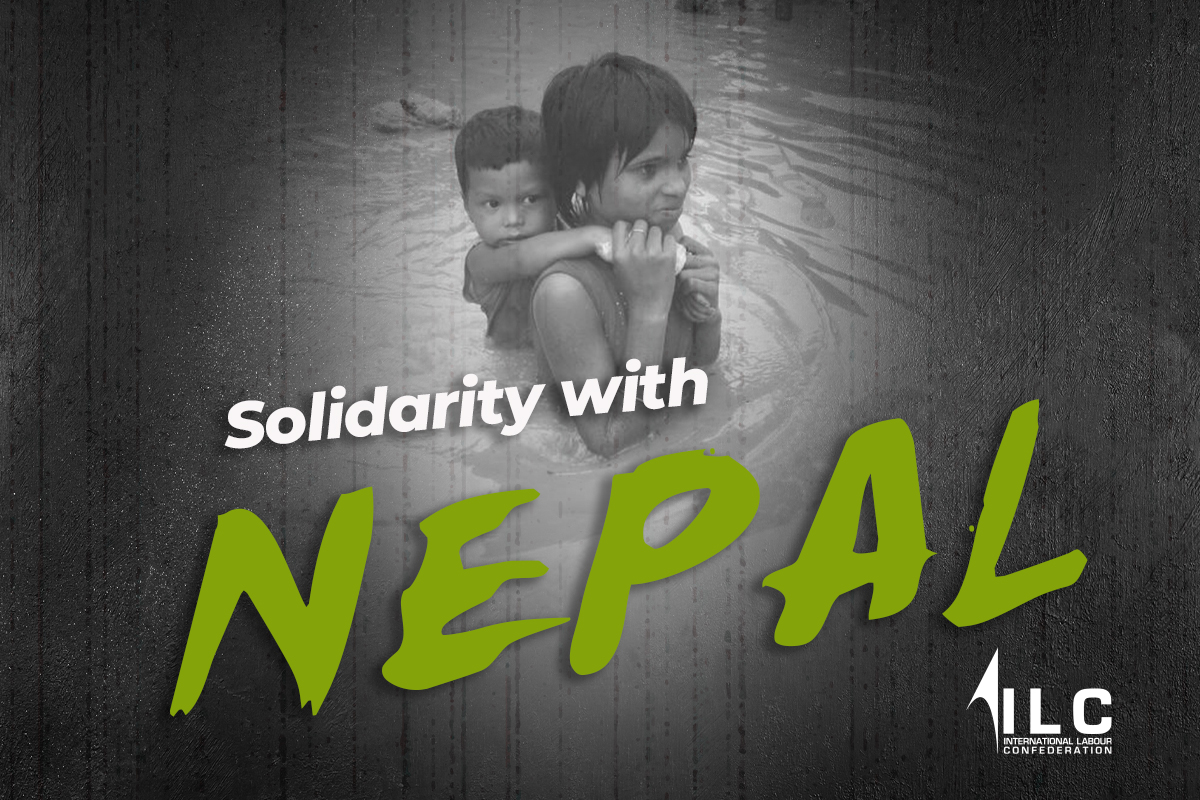
ILC Statement of Solidarity with Nepal Following the Flood Disaster
ILC Statement on International Youth Day Justice for Youth, Solidarity for the Future
Statement on The World Day Against Trafficking in Persons
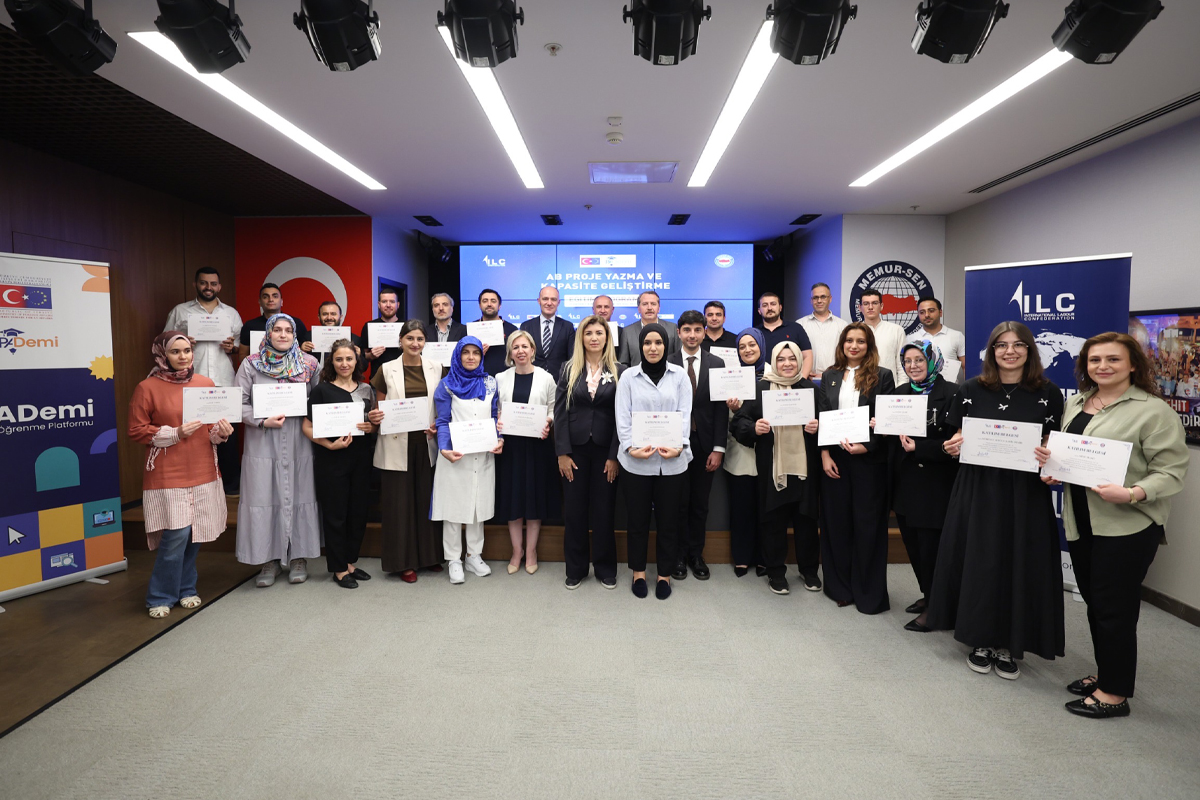
ILC Organises EU Project Writing and Capacity Building Training for Trade Union Staff

Labour and Human Centred Digital Transformation

Istanbul EdUnion Forum 2026
The Platform Economy Convention is a Critical Step for Labour Rights
World Day Against Child Labour
Children Are Not Our Workers, They Are Our Future!
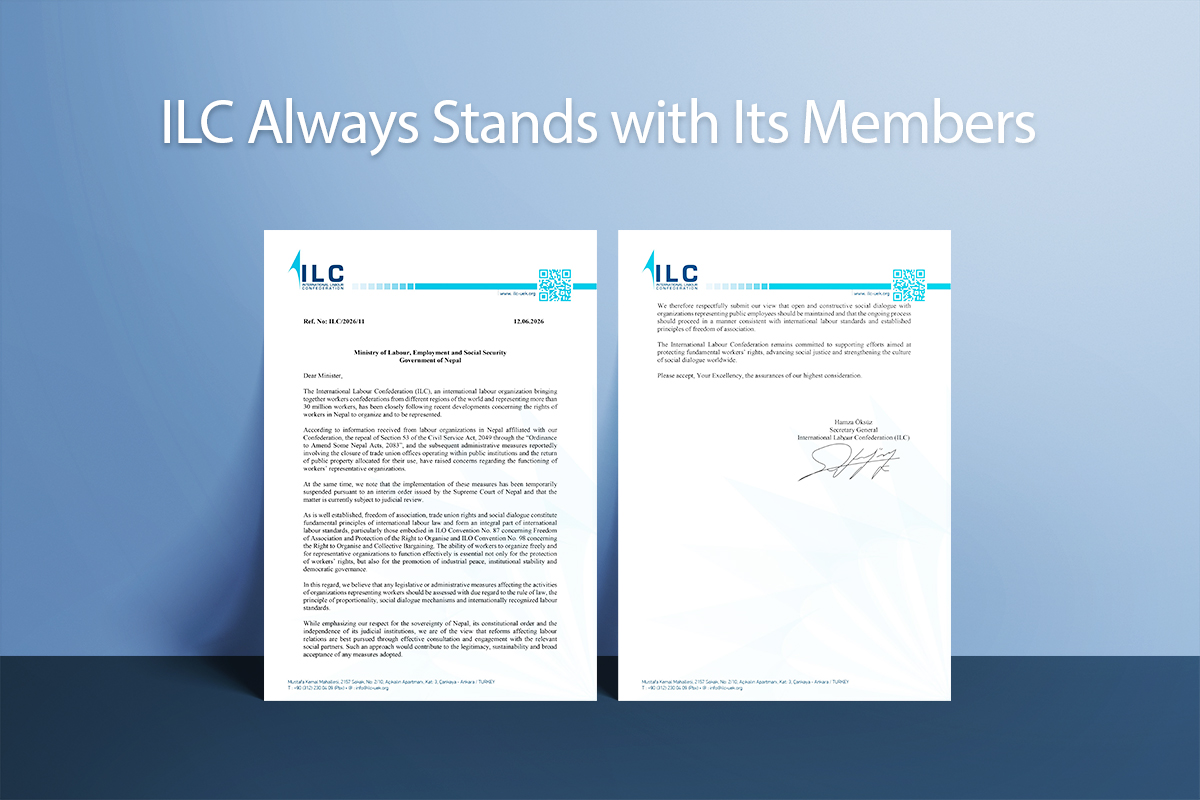
ILC Always Stands with Its Members
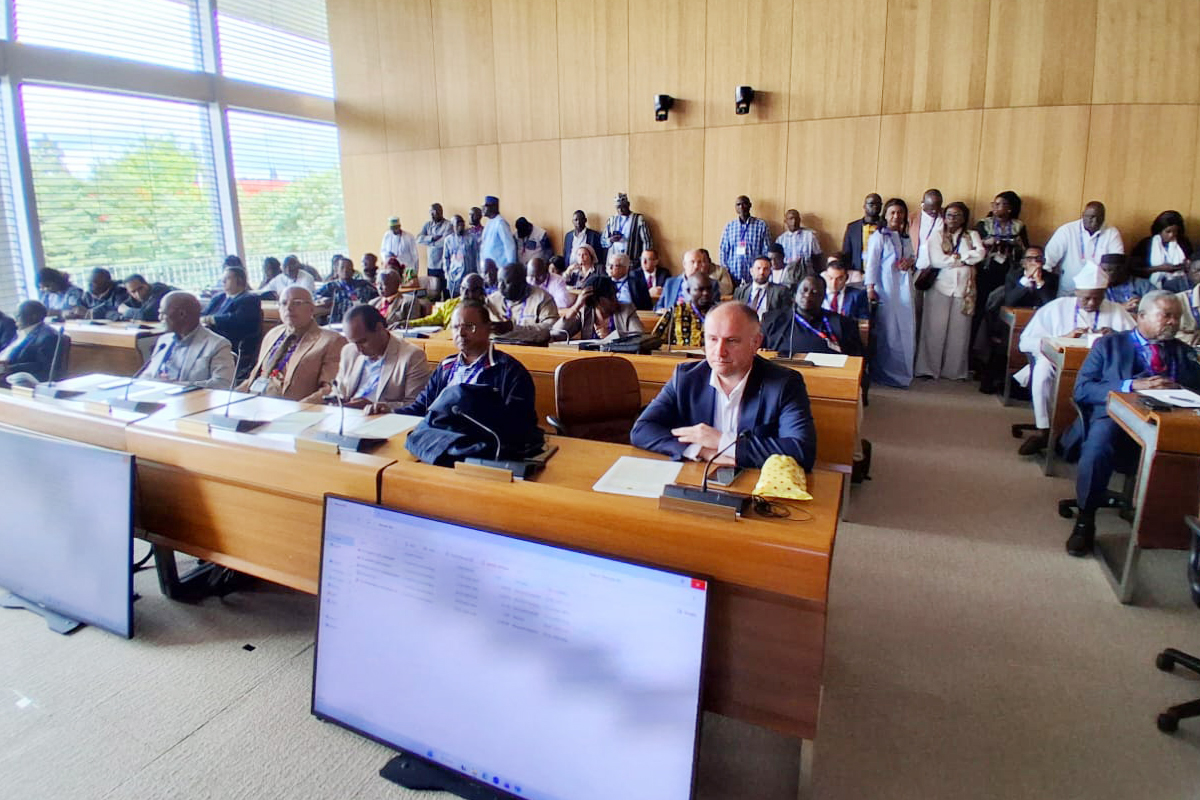
ILC Secretary General Hamza Öksüz Participates in OATUU Meeting
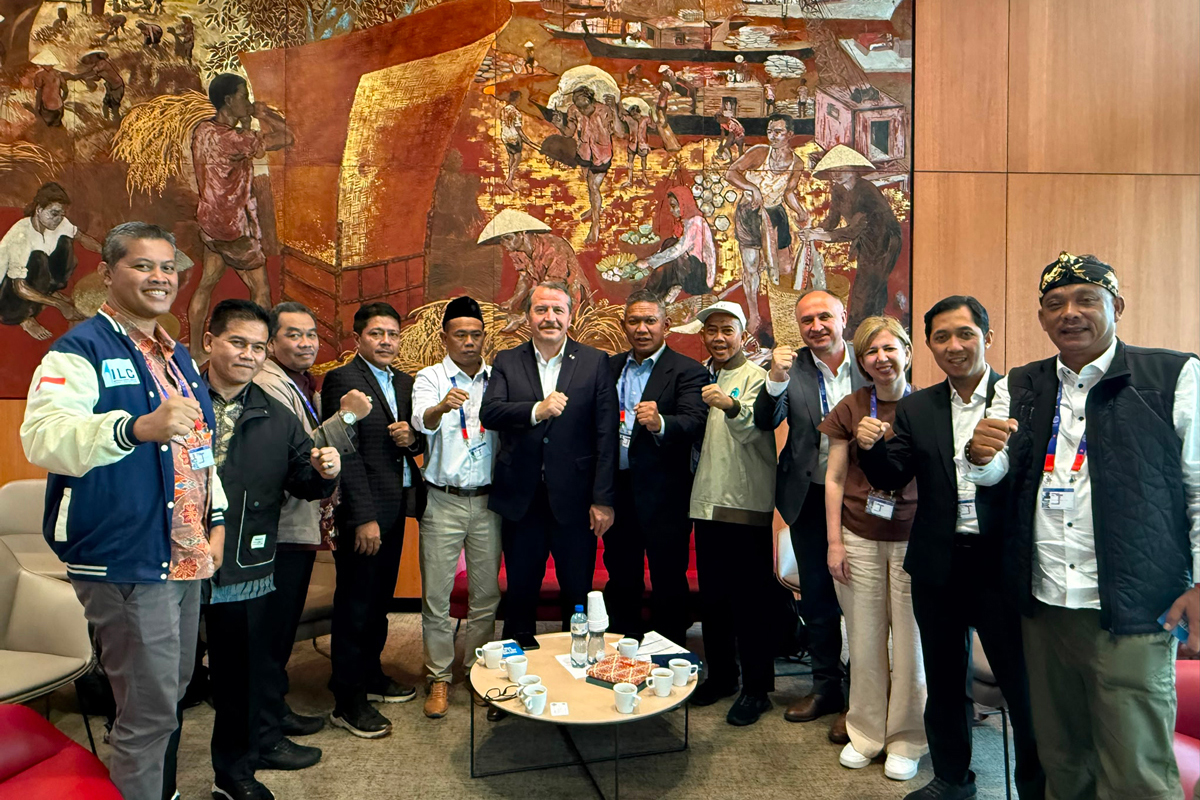
Bilateral Meetings Held on the Margins of the 114th International Labour Conference
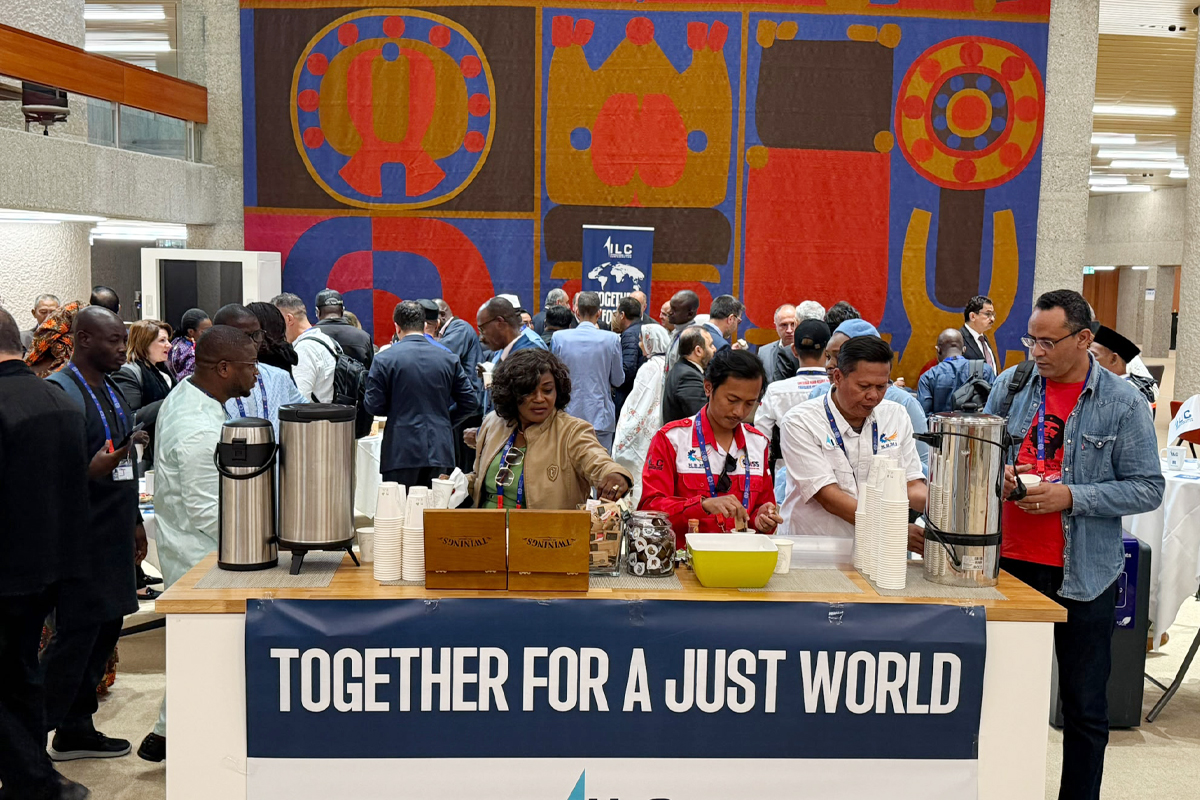
Traditional ILC Reception in Geneva Brought Together Representatives of the International Trade Union Movement